Iran has launched successive waves of missiles and drones targeting U.S. military installations across the Persian Gulf region, prompting Bahrain, Qatar, Kuwait, and the United Arab Emirates to activate air defense systems as tensions escalate in one of the world’s most strategically critical waterways.
The attacks represent a significant expansion of cross-border military action, with Iranian forces striking at American assets distributed across multiple Gulf nations. U.S. military personnel and infrastructure across the region now face coordinated pressure from Tehran, testing both American defenses and the resolve of regional partners who host American forces on their territory.
What Happened
Iranian military forces conducted multiple attack waves using missiles and unmanned drones across the Persian Gulf, directing strikes at locations where U.S. forces operate. Defense systems in the United Arab Emirates intercepted incoming threats, while Emirati security forces reported explosions and activated emergency protocols. Al Dhafra Air Base, a facility integral to U.S. regional operations, drew particular attention as a potential target during the barrage.
Bahrain, home to Naval Support Activity Bahrain—the headquarters of the U.S. Navy’s Fifth Fleet—reported intercepting incoming threats. The kingdom’s strategic importance as a hub for American naval operations in the region has made its installations recurring targets in Iran’s stated attack patterns.
Qatar’s Al Udeid Air Base, one of the most significant American military installations in the Gulf, faced similar pressure. Satellite imagery from previous exchanges has documented damage to portions of U.S. infrastructure at the facility. Kuwait also reported air defense engagement against Iranian missiles and drones directed at locations supporting American forces.
Assessments of specific damage remain preliminary as authorities complete evaluations. Claims of strikes against military facilities require independent verification before definitive conclusions can be drawn about the scale or impact of each attack wave.
The Reaction
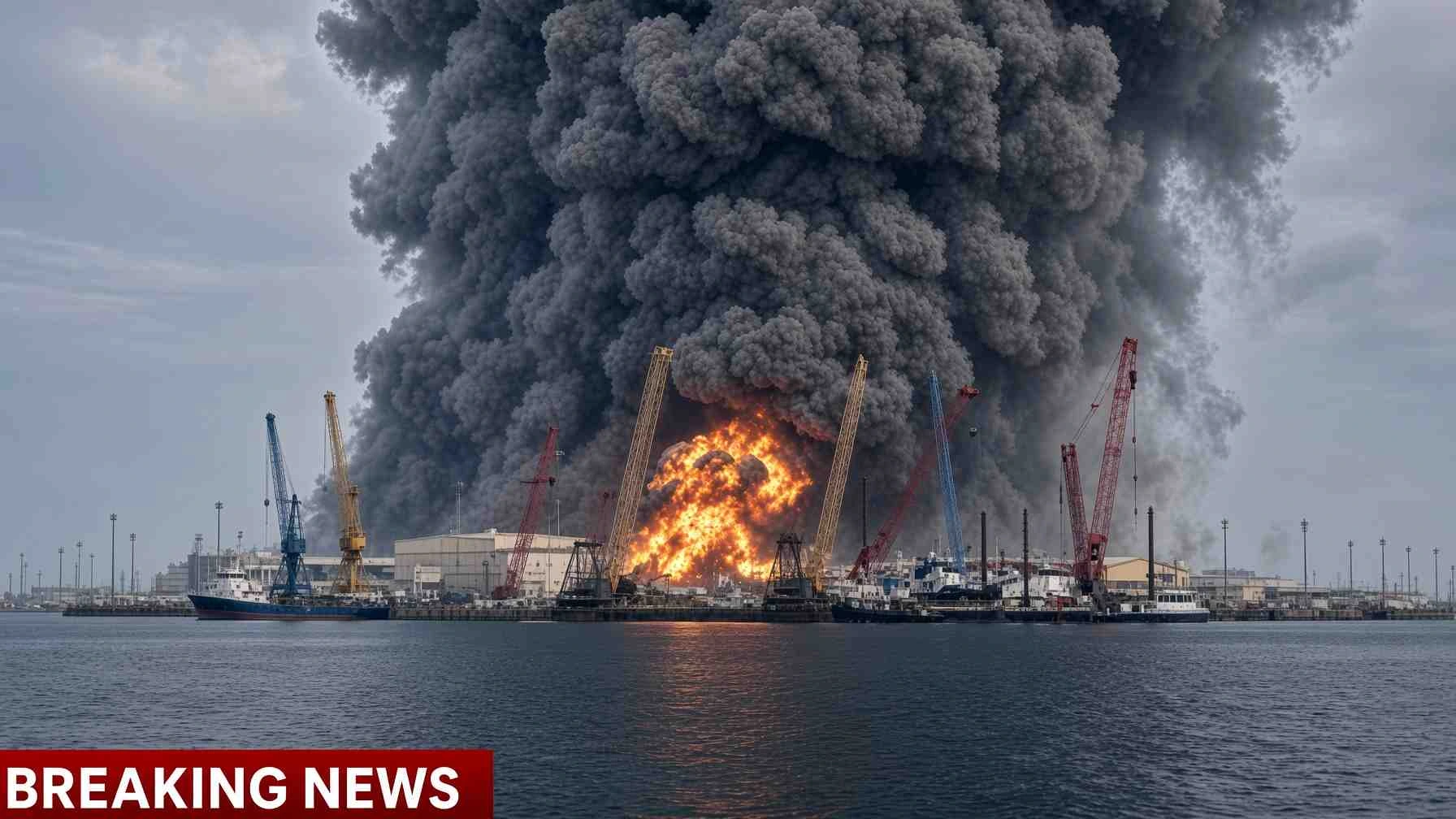
Regional air defense systems activated across multiple nations in coordinated response to the incoming threats. Military and civilian authorities issued emergency alerts, placing communities on heightened alert status. The activation of defenses across four separate countries underscores the geographic scope of the Iranian attack campaign and the shared vulnerability of American-allied installations throughout the Gulf.
U.S. forces throughout the region shifted into defensive posture, prioritizing interception of incoming munitions and assessment of any damage sustained. The distributed nature of American military presence across Bahrain, Qatar, Kuwait, and the UAE means that defense coordination across multiple sovereign nations became necessary to manage the simultaneous threat.
What This Means
The Persian Gulf remains one of the world’s most critical energy transit points, with approximately one-third of global maritime oil trade flowing through the Strait. Continued military confrontation in the region threatens commercial shipping lanes and energy exports that supply global markets already facing supply constraints. Previous rounds of escalation have disrupted shipping patterns and caused price volatility in energy markets worldwide.
The pattern of Iranian attacks across multiple countries hosting U.S. forces demonstrates Tehran’s capacity and willingness to conduct coordinated strikes at American military infrastructure distributed across the region. Each attack cycle increases the risk of further retaliation, creating a cycle in which de-escalation becomes progressively more difficult to achieve. The presence of significant American military capabilities in the Gulf—maintained across four separate nations—means that any Iranian decision to escalate can reach multiple targets simultaneously.
For regional allies, the immediate challenge involves managing territorial defense while maintaining diplomatic channels. The concentration of critical American military facilities across their territory places these nations at the center of a confrontation not of their initiation. For the international community, the escalating pattern of attacks and counterattacks raises questions about whether additional rounds of conflict could trigger even broader regional involvement. The narrow geography of the Persian Gulf and the density of military assets mean that one miscalculation or unexpected attack could rapidly expand the scope of confrontation beyond current boundaries.