White House Press Secretary Karoline Leavitt mounted a public defense of the Trump administration’s overhaul of presidential press access during a conversation with media figures, justifying new protocols as necessary for efficient governance.
The remarks came as the administration continues to implement changes to how journalists interact with the president and senior officials at the White House. The modifications mark a significant departure from decades of press room tradition and raise questions about media accessibility in the executive branch.
What Happened
Leavitt articulated the administration’s rationale for restructuring press room operations and access procedures, arguing that the changes enhance decision-making speed and reduce disruptions to official business. She characterized the revisions as modernizing outdated systems that no longer serve the public interest, emphasizing that journalists would retain meaningful avenues to cover the administration’s work.
The Press Secretary outlined how the new framework affects daily briefings, press conferences, and off-camera conversations between reporters and White House staff. Under the revised system, certain longstanding seating arrangements and credential protocols have been modified, affecting which news organizations receive preferred access slots during official events.
The Reaction
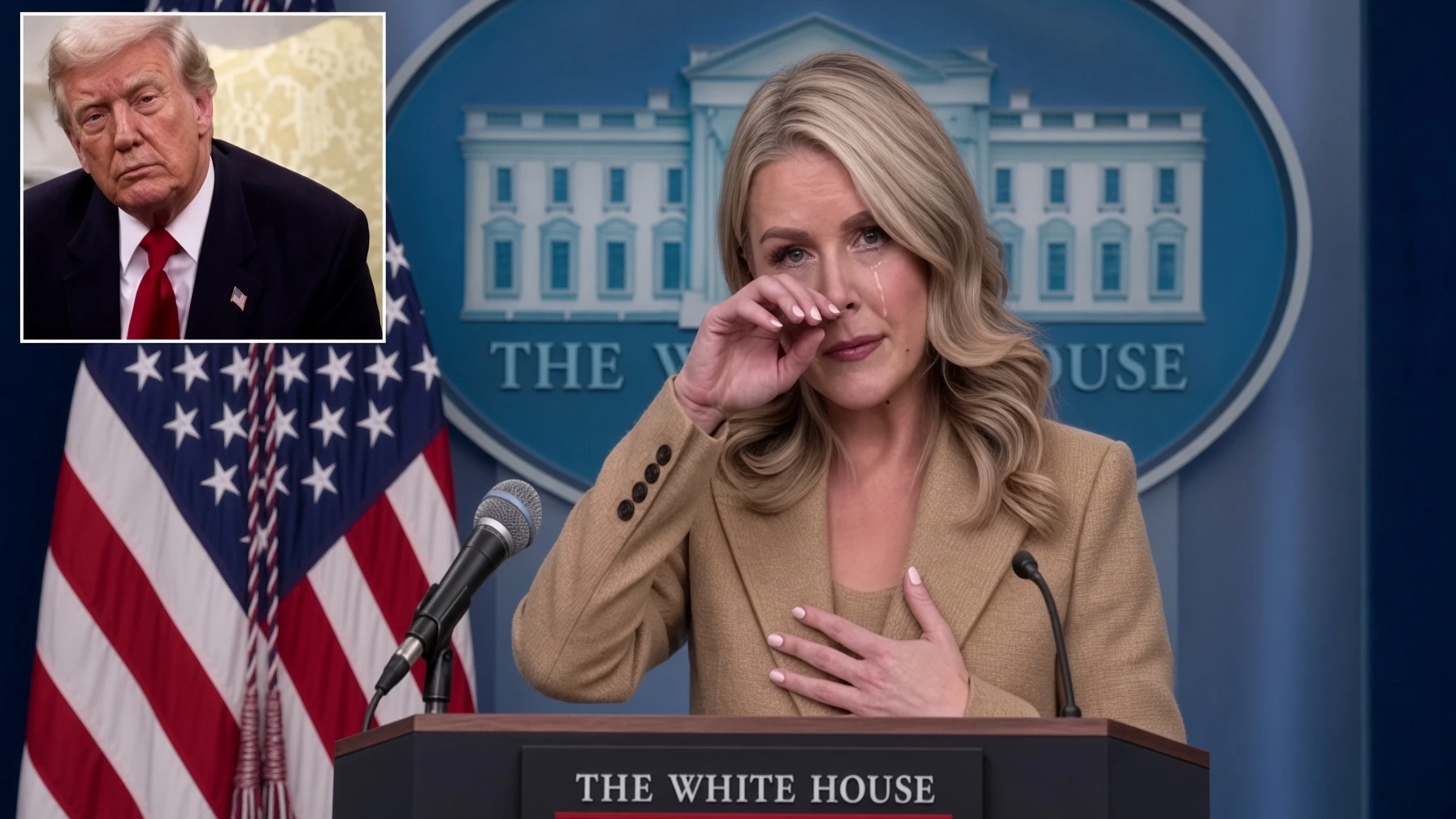
Media organizations have expressed concern about the implications of the access restrictions, with some arguing that reduced press room presence could limit transparency and accountability. News editors noted that traditional seating hierarchies and unrestricted briefing room access have historically enabled journalists to ask follow-up questions and pursue stories in real time.
Leavitt countered these concerns by suggesting that alternative channels for information gathering—including written submissions and scheduled interviews—would provide sufficient reporting opportunities. She stated that the administration remains committed to press freedom while establishing guardrails against what she characterized as “unproductive confrontation” during official events.
What This Means
The restructuring signals a broader shift in how this administration manages its relationship with institutional media. As press access policies continue to evolve, the balance between executive efficiency and journalistic access will likely remain contested, with implications for how citizens receive information about government operations and policy decisions.
The coming months will reveal how these changes affect coverage patterns and whether additional modifications follow. The precedent being set here extends beyond the current administration, potentially influencing how future administrations approach press room management and media engagement.