The Trump administration introduced a controversial buyout program on Wednesday offering roughly 2 million civilian federal employees full compensation through September if they agree to resign by early February, triggering a sharp national debate over government workforce strategy.
The initiative, framed by administration officials as a cost-cutting measure to reduce taxpayer spending and boost office attendance, marks one of the most aggressive workforce reduction proposals in recent government history. The plan comes as the administration continues pushing federal agencies to end remote work arrangements and return employees to physical office locations.
What Happened
The administration outlined what it calls a “deferred resignation program” targeting the federal civilian workforce, which currently numbers approximately 2 million employees across government agencies. Workers who accept the offer would receive their full salary and benefits through the end of September, providing a seven-month financial runway, provided they submit their resignations by February 6.
Administration officials point to data indicating that only about 6 percent of federal employees in Washington, D.C. are currently working in-person at agency offices. They argue this low return-to-office rate hampers productivity, reduces managerial oversight, and prevents the government from achieving operational efficiency.
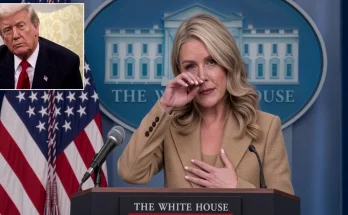
Press Secretary Karoline Leavitt addressed the characterization of the program as a targeted political action, stating, “This policy is about efficiency and savings for taxpayers — not politics.” She emphasized that the administration views the initiative as a voluntary opportunity for employees unwilling to comply with workplace attendance requirements to depart with financial security.
The Reaction
The proposal has generated sharply divided responses across the federal workforce, labor organizations, and policy experts. Supporters of the program argue it represents a fiscally responsible approach to right-sizing government and ensuring taxpayer dollars fund effective service delivery rather than redundant bureaucratic positions.
Labor unions and federal employee advocacy groups have raised significant concerns about the buyout’s potential consequences. They warn that the program could pressure career professionals to leave government service, potentially losing decades of institutional expertise and specialized knowledge that cannot be easily replaced. Representatives from the National Federation of Independent Business and various public sector unions argue the initiative risks degrading the capacity of agencies to deliver essential services citizens depend on for benefits, regulatory compliance, and public safety functions.
Some workforce analysts note the program could disproportionately affect experienced mid-career employees who have developed specialized skills, while potentially retaining less experienced staff due to financial circumstances or lack of alternative employment options.
What This Means
The deferred resignation program represents a pivotal moment for federal employment policy, testing competing priorities of government cost reduction against institutional stability and service continuity. How federal agencies manage the resignations and restructure their operations over the coming months will signal whether the approach succeeds as an efficiency measure or creates operational gaps in key government functions.
The initiative’s long-term effects on federal service recruitment and retention remain uncertain, particularly as younger professionals weigh career prospects in a workforce facing potential significant upheaval. The program also sets a precedent for how future administrations might approach workforce management during budget constraints or policy transitions.