Ukraine’s alleged long-range drone strikes against St. Petersburg on the night of July 4, 2026, targeted oil terminals, shipyards, and naval facilities over 1,100 kilometers from active combat zones, marking an escalation in deep-strike capabilities that require independent verification of damage and scope.
The reported attack on Russia’s second-largest city represents a significant tactical shift in the ongoing conflict. If confirmed, the strikes would demonstrate Ukrainian ability to strike distant strategic targets, challenging assumptions about Russia’s geographic protection and air defense capabilities in its interior regions.
What Happened
Ukrainian forces allegedly launched unmanned aerial systems across a substantial distance to reach multiple objectives in and around St. Petersburg. The named targets include the St. Petersburg Oil Terminal, the port of Vysotsk, and the Kronstadt naval base, each serving distinct functions within Russia’s military and economic infrastructure.
The St. Petersburg Oil Terminal handles significant volumes of refined petroleum products destined for export markets. Vysotsk serves as a critical port facility, while Kronstadt hosts key operations for the Baltic Fleet. The simultaneous targeting of these facilities suggests a coordinated campaign rather than isolated incidents.
The Reaction
The alleged strikes underscore Ukraine’s evolving military doctrine, which analysts describe as targeting logistics networks to create what some term “infrastructure strangulation.” Rather than concentrating exclusively on front-line engagements, this approach seeks to disrupt the supply chains and export revenue that sustain Russian military operations and state finances.
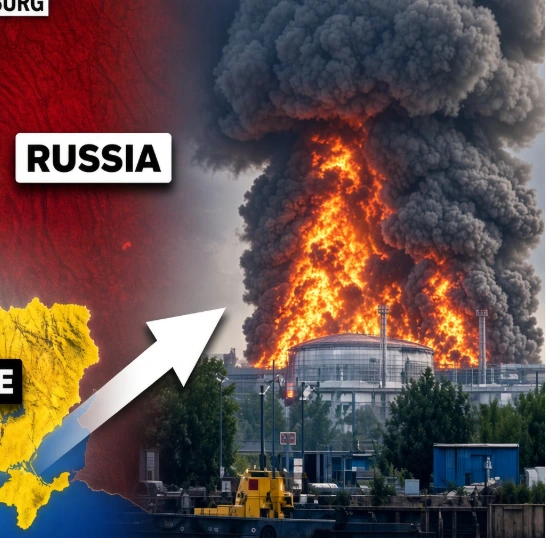
Disruptions to oil terminal operations could have ripple effects across energy markets and Russia’s foreign exchange earnings, though the actual economic impact would depend on repair timelines, alternative shipping routes, and market conditions. Naval operations from Kronstadt could face temporary setbacks if supporting facilities sustained damage, though Russia maintains substantial reserves and redundancies across its military infrastructure.
Defense analysts note that the strikes raise questions about Russia’s layered air defense systems and their effectiveness against sustained unmanned attacks across vast distances. However, individual incidents do not necessarily indicate a fundamental breakdown in Russia’s protective capabilities or loss of its inherent geographic advantages.
What This Means
The reported operation, if independently confirmed, reflects a broader evolution in modern warfare where drone technology, long-range precision systems, and economic targeting converge. As Ukraine develops extended-range unmanned platforms, the distinction between front-line combat zones and rear-area infrastructure continues to blur.
Russia’s response to such strikes—whether through enhanced air defenses, dispersed operations, or operational adjustments—will shape the military calculus over coming months. The sustainability and strategic value of deep strikes depends on their cumulative effect on Russian capabilities and logistics, not on individual attacks. Without verified damage assessments and repair timelines, assessments of a decisive shift in Russia’s military posture or financial position remain speculative. The interaction between drone technology, infrastructure resilience, and economic pressure may ultimately define how this conflict unfolds.



