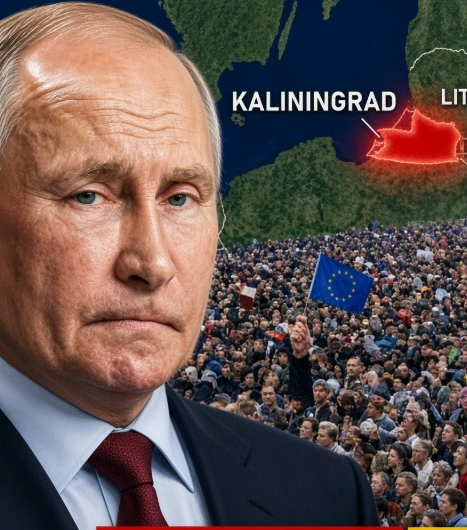
Russia’s Kaliningrad exclave, a territory wedged between Lithuania and Poland and dependent on external supply routes, is confronting a cascade of economic pressures and demographic shifts as NATO reinforces its eastern defenses and regional transit links deteriorate.
The region, which relies on cross-border transportation and energy shipments for its survival, has become increasingly vulnerable to disruptions in logistics and goods delivery. These vulnerabilities have intensified as the broader security environment in Eastern Europe has shifted.
What Happened
Rail freight transiting through Lithuania has contracted by approximately two-thirds, while shipments of Lukoil oil have been halted entirely. These disruptions carry immediate economic consequences for residents dependent on regular supplies of fuel, food, and consumer goods.
The loss of transit capacity has begun to strain local purchasing power, adding economic pressure to a population already navigating sustained uncertainty. Logistical costs are expected to rise sharply as alternative transportation routes—longer and more expensive—become necessary to maintain supply flows into the enclave.
Meanwhile, Russian military deployments have shifted personnel away from Kaliningrad to support operations in Ukraine, redirecting defense resources from the region at a time when NATO presence on its borders has intensified. This reallocation raises questions about the territorial buffer Moscow maintains in the strategically vital Baltic position.
The Reaction
Demographic data suggests a widening gap between older and younger residents over cultural alignment. More than 40 percent of younger Kaliningraders report identifying with European lifestyles and values, according to available accounts, signaling a generational divide in outlook and priorities.
This shift does not necessarily translate into organized political opposition to Moscow or coordinated resistance movements. Rather, it reflects a cultural orientation shaped by proximity to the European Union, access to Western media, and limited economic opportunities within the region’s current framework.
What This Means
Kaliningrad’s strategic value to Russia remains undeniable—it serves as a crucial foothold on the Baltic and a waypoint for trade and military operations. Yet the convergence of supply-chain disruption, military redeployment, and shifting generational attitudes points to mounting strain on the territory’s stability and cohesion.
The extent to which these pressures will crystallize into broader political or security consequences remains unclear. The region’s future trajectory will likely depend on how long current sanctions and transit restrictions persist, whether military resources can be replenished, and whether younger residents’ cultural preferences translate into sustained demographic outflow or political realignment.



