Ukraine is increasingly relying on F-16 fighter jets equipped with onboard cannons to counter Russian drone attacks and conserve expensive air-defense missiles, while Sweden’s Gripen fighter aircraft offers advanced capabilities including the ability to operate from dispersed highway runways and carry Meteor air-to-air missiles.
The intensifying air war over Ukraine has forced military planners to rethink how to defend against the relentless pace of Russian drone and missile strikes. As Ukrainian forces confront waves of unmanned aircraft and cruise missiles, the ability to engage multiple threats with limited resources has become the defining constraint of the conflict.
What Happened
Ukrainian pilots have begun using F-16 fighter jets to shoot down incoming drones with onboard cannons rather than relying exclusively on air-to-air missiles. This tactic emerged as a practical response to the volume and frequency of Russian unmanned aircraft strikes. By engaging drones with gun fire, Ukrainian forces preserve stocks of costly Patriot and other guided missiles for threats that cannot be effectively targeted by cannons alone.
The shift reflects a broader adaptation within Ukrainian air defenses. Each Patriot interceptor costs tens of thousands of dollars, and supplies remain limited despite Western military aid. Allocating these expensive systems more selectively allows Ukraine to maintain longer-term air-defense capacity across multiple threat categories.
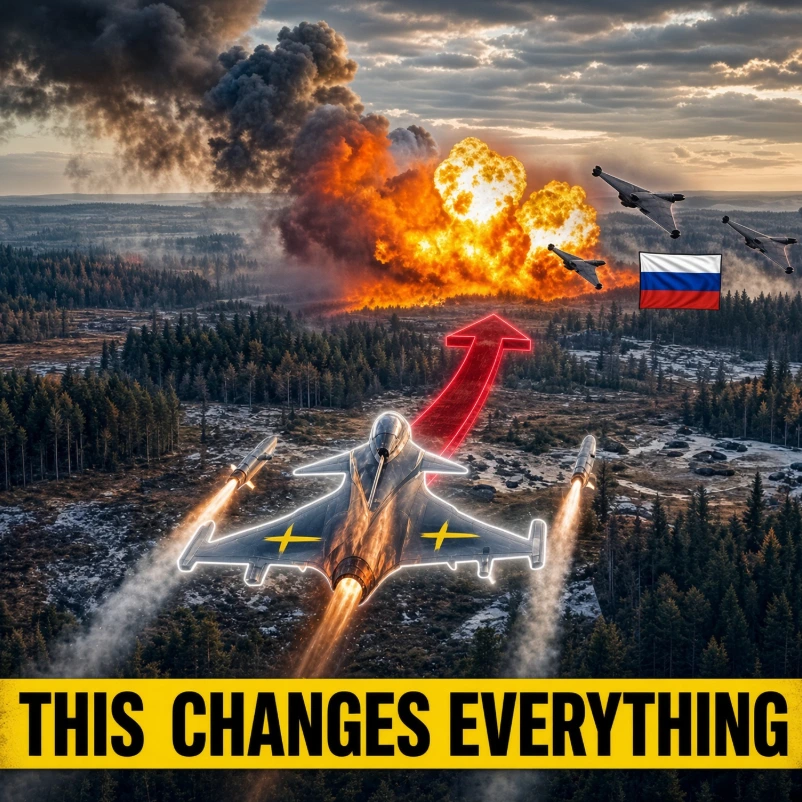
Beyond current F-16 operations, Swedish-made Gripen fighter jets have emerged in discussions as a potential addition to Ukrainian air defenses. The aircraft is designed to operate from prepared surfaces, including highway stretches, which would allow dispersal across the country and reduce vulnerability to airfield strikes. Gripen jets can also carry advanced Meteor air-to-air missiles, providing enhanced capability against Russian fighter aircraft operating at longer ranges.
The Reaction
Military analysts have highlighted the operational advantages each system brings to the air campaign. F-16 operations demonstrate how existing Western fighter aircraft can be integrated into Ukrainian defenses with modest modifications to tactics and pilot training. The Gripen’s ability to operate from dispersed locations addresses a vulnerability that has plagued Ukrainian airfields since the invasion began.
However, challenges remain acute. Ukrainian pilots face threats from Russian long-range R-37M missiles carried by Su-35 and MiG-31 fighter jets, which can engage targets at distances where Ukrainian pilots cannot respond. This asymmetry places Ukrainian fighter pilots at significant disadvantage and limits their freedom of maneuver.
Maintenance and logistics have proven nearly as consequential as combat capability. Hangar delays and limited spare parts have reduced aircraft availability, with some F-16s remaining unserviceable for extended periods. Training pilots to operate multiple aircraft types while maintaining operational tempo compounds these pressures.
What This Means
The focus on fighter jets reflects a fundamental reality of the air war: Ukraine cannot match Russian aircraft numbers, so it must maximize the effectiveness of each plane it operates. Extending the operational life of F-16s through cannon tactics and exploring additional platforms like the Gripen shows how Ukraine adapts available resources to sustain air defenses.
Yet acquiring additional fighter aircraft addresses only part of the problem. The underlying constraints—pilot safety, missile availability, maintenance infrastructure, and spare-parts logistics—will determine whether Ukraine can sustain air operations over the medium and long term. As Russia continues to invest in drone and missile production, Ukraine’s ability to replenish and maintain its fighter fleet will shape the trajectory of the air campaign.



