Russia is reportedly relocating its strategic bomber fleet thousands of kilometers eastward to the Far East, away from Ukrainian strikes on western airfields, amid mounting aircraft losses and unfinished protective infrastructure.
The reported deployment represents a significant shift in how Moscow is positioning aircraft central to its nuclear deterrent. The move underscores deepening vulnerabilities in Russia’s air defense posture as Ukraine has intensified long-range strikes on military installations across Russian territory.
What Happened
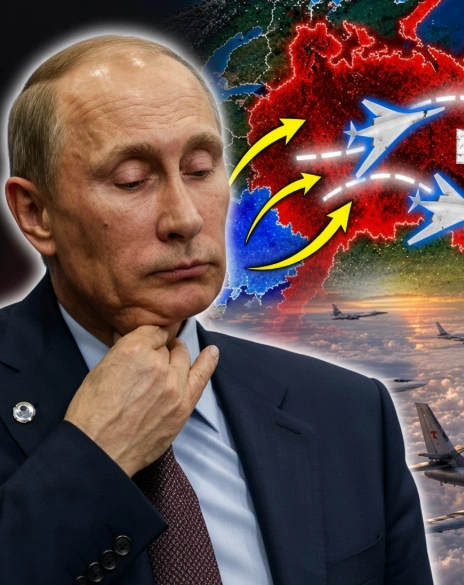
According to available accounts, Russia is relocating approximately 47 aircraft—including 37 Tu-95MS turboprop bombers and 10 Tu-160M strategic jets—eastward from western bases to Ukrainka Air Base in the Russian Far East, situated near the Chinese border. The relocation reflects operational pressure from sustained Ukrainian strikes targeting airfields across western and central Russia where these aircraft have traditionally been based.
Reports indicate that at least 10 Tu-95 bombers have been lost to Ukrainian actions or other causes. Additionally, protective bunkers at Engels Air Base, a primary staging ground for long-range aviation, remain incomplete, leaving parked aircraft vulnerable on open aprons. These specific figures and the precise scale of the repositioning have not been independently confirmed through multiple independent sources.
The Reaction
The relocation exposes operational strains within Russia’s long-range aviation command. Military analysts note that basing bombers in the Far East, while potentially offering greater sanctuary from Ukrainian strikes, creates substantial logistical challenges that could degrade operational readiness and sustainability.
The distance to Ukrainka Air Base—more than 6,000 kilometers from primary target zones in Ukraine—means that combat missions would involve round-trip distances of approximately 12,000 kilometers and flight times extending to roughly 23 hours per sortie. This operational geometry increases fuel consumption, accelerates maintenance cycles, and strains spare-parts inventories already under pressure from two years of continuous operations.
What This Means
If confirmed, the reported losses and relocation suggest that Russia’s strategic bomber force faces mounting structural vulnerabilities. Estimates suggest only around a dozen Tu-95 aircraft remain in regular operational condition, a significant reduction from the fleet’s previous availability. A September 29 incident attributed to engine failure, which reportedly claimed eight crew members, compounds concerns about aircraft reliability and crew safety across the aging fleet.
The convergence of aircraft losses, incomplete defensive infrastructure, and the operational friction of Far East basing raises questions about the medium-term readiness of Russia’s long-range aviation component. Any extended relocation of strategic bombers could affect Russia’s ability to sustain sustained bombing campaigns against Ukrainian targets, while also complicating the operational status of forces intended to maintain nuclear deterrent capabilities. The sustainability of such a posture under continuing Ukrainian pressure remains uncertain.



