Investment executive and former Florida gubernatorial candidate James Fishback announced this week that he will run for president in 2028, becoming the first Republican to formally enter what is shaping up as a wide-open contest on the Democratic side and a consolidated race around Vice President JD Vance among GOP voters.
Fishback, who founded the investment firm Azoria and established the nonprofit Incubate Debate to promote student debate, entered Florida’s 2026 Republican gubernatorial primary in November 2025. He positioned himself as a conservative outsider with a focus on affordability and immigration policy, distinguishing himself from other candidates competing to succeed term-limited Gov. Ron DeSantis.
What Happened
Fishback’s gubernatorial platform included proposals to restrict corporate home purchases and employment visas, eliminate property taxes, and oppose data center expansion. Despite backing from some conservative activists, he finished fourth in the August Republican primary with approximately 10.4 percent of the vote, or 173,575 ballots cast.
Congressman Byron Donalds won the primary decisively with 47.9 percent of the vote, boosted by an endorsement from President Donald Trump. Lieutenant Governor Jay Collins finished second with 25.1 percent. Fishback’s campaign website has since pivoted to his 2028 presidential announcement, framing his gubernatorial loss as a concluded chapter with another beginning ahead.
The Reaction
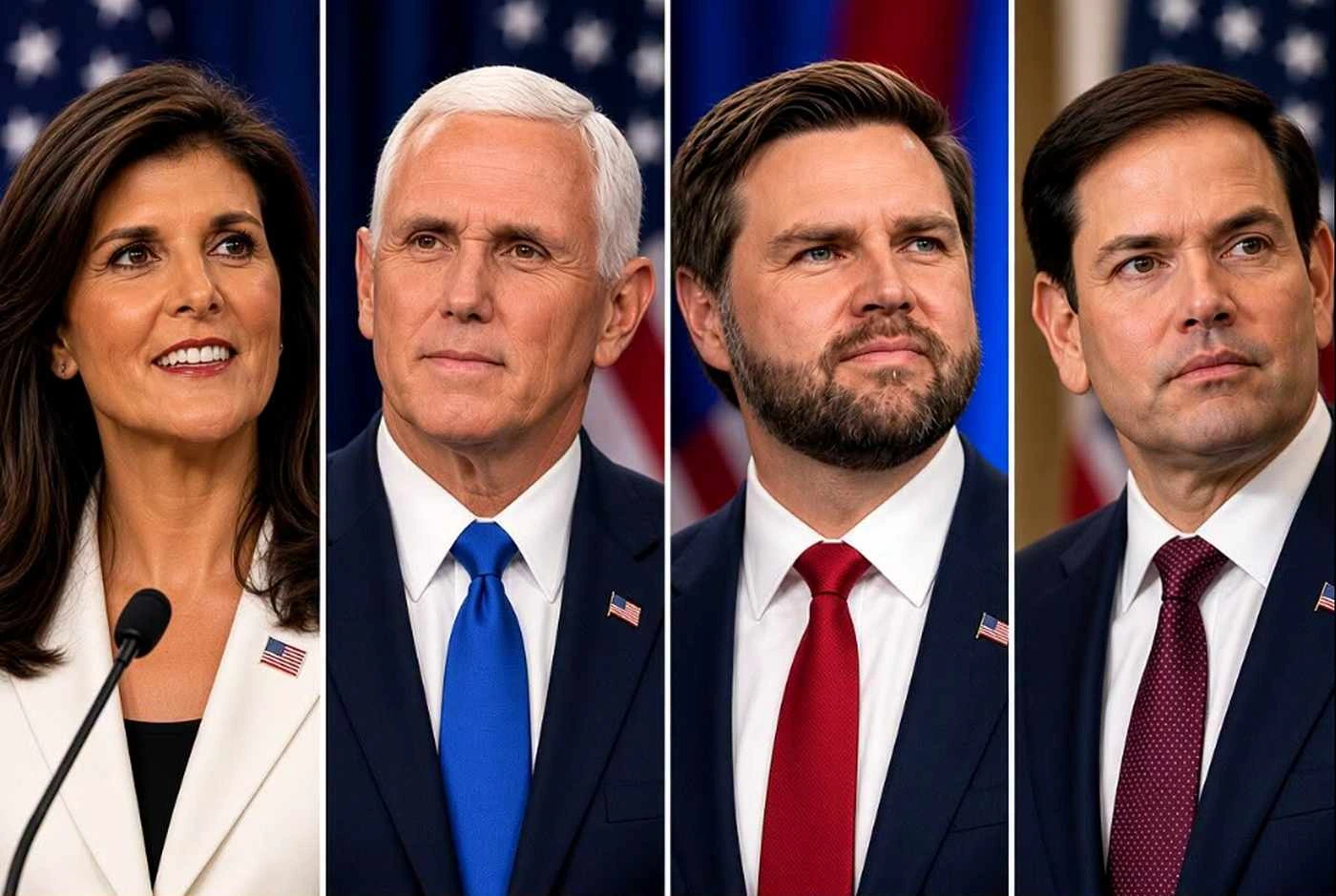
Fishback’s entry into the 2028 race comes as Republican primary voters have shown substantial consolidation around a narrow set of candidates closely aligned with the Trump administration. A new New York Times/Siena University poll found Vance at 33 percent among Republican primary voters, with Secretary of State Marco Rubio placing second at 23 percent. Combined, the two figures command support from 56 percent of GOP voters surveyed, suggesting a degree of party unity absent in the Democratic field.
Among Democrats, by contrast, 45 percent of primary voters said they remain undecided about whom to support. Former Vice President Kamala Harris, the most frequently named Democratic candidate, received only 12 percent in the poll. California Gov. Gavin Newsom followed with 9 percent, while other potential candidates including Pete Buttigieg, Alexandria Ocasio-Cortez, Jon Ossoff, and Mark Kelly each registered in single digits.
What This Means
The polling snapshot reveals starkly different dynamics shaping the two parties’ paths toward 2028. Republicans appear to be coalescing behind figures from Trump’s inner circle, with Vance and Rubio dominating early preference measures. Democratic voters, by contrast, show no clear frontrunner and substantial uncertainty about the party’s direction following President Trump’s return to office.
While Fishback becomes the first Republican to formally announce, formal campaign activity remains limited this early in the cycle. The poll itself carries the caveat that eventual primary fields could look substantially different as more candidates declare their intentions. Vance’s positioning at the top of Republican preferences aligns with other national surveys conducted throughout 2026, though Trump’s eventual endorsement could reshape the landscape significantly. On the Democratic side, the wide-open field and high undecided voters suggest the party’s 2028 nominee remains genuinely uncertain, with more than two years remaining before primary voting begins.



