Republican Rep. Elise Stefanik announced her withdrawal from New York’s gubernatorial race and resignation from her House seat Wednesday after President Donald Trump declined to endorse her candidacy despite multiple opportunities, fundamentally reshaping the state’s political landscape ahead of the 2026 midterm elections.
Stefanik, a Trump loyalist who had built her congressional career defending the former president during impeachment proceedings, had expected to mount a strong challenge to Democratic Governor Kathy Hochul. Her sudden exit upends months of speculation about her political future and signals the continued gravitational pull Trump wields over Republican candidate selection across all political levels.
What Happened
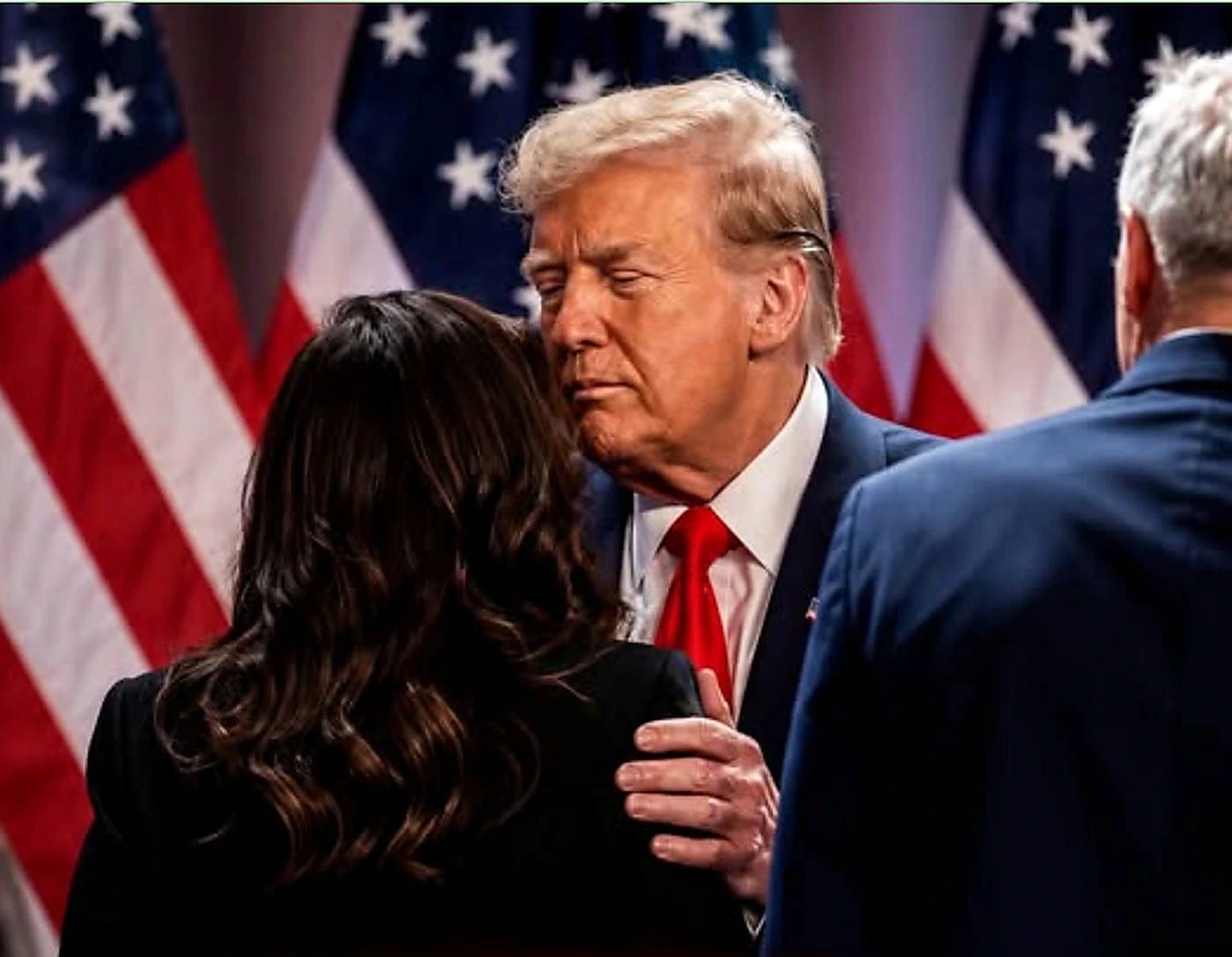
Stefanik publicly announced her decision to abandon both her gubernatorial campaign and her congressional seat, concluding weeks of internal deliberation about her path forward. The timing followed what sources characterized as Trump’s deliberate withholding of an endorsement, including during a direct Oval Office meeting where the president chose not to back her candidacy.
The calculus shifted when Nassau County Executive Bruce Blakeman, another Trump-aligned Republican, entered the primary race, threatening to fracture the GOP vote. According to those close to the decision, Stefanik’s team concluded the combination of Trump’s neutrality and an increasingly crowded field made victory improbable. “When you start to add these things up, it does not seem that you’re going to have the wind to your back in this cycle,” a GOP source described the reasoning that led to her withdrawal.
The Reaction
Stefanik issued a statement reflecting on her decision. “I am truly humbled and grateful for the historic and overwhelming support from Republicans, Conservatives, Independents, and Democrats all across the state,” she said, framing her exit as a strategic choice rather than a forced departure. The statement suggested she would pursue unspecified opportunities rather than wage an expensive and potentially losing primary battle.
Her departure immediately reshapes New York Republican dynamics. Party operatives now face the task of identifying alternative candidates to challenge Hochul, who enters the election cycle dealing with persistent governance challenges and declining approval ratings. The open House seat in upstate New York simultaneously becomes a focus for November’s broader midterm environment.
What This Means
Stefanik’s decision underscores Trump’s outsized influence over Republican candidate viability across state and federal races. For ambitious Republicans assessing whether to run for statewide office or higher positions, Trump’s explicit backing has become a practical asset that shapes fundraising capacity, volunteer mobilization, and perceived electability. The absence of that endorsement can prove equally consequential.
The move also opens questions about succession within the Republican Party’s rising generation. Stefanik’s prominent role during Trump’s impeachments had positioned her as a potential future leader, yet her vulnerability to Trump’s whims reveals the conditional nature of influence within the current GOP structure. As parties prepare for the 2026 cycle, the calculation that determines which candidates pursue ambitious races will likely continue to center on Trump’s explicit or tacit blessing.



