James Fishback, an investment executive and former Florida gubernatorial candidate, announced this week that he will seek the Republican presidential nomination in 2028, becoming the first candidate to formally enter the race.
Fishback entered Florida’s 2026 Republican gubernatorial primary in November 2025, positioning himself as a conservative outsider focused on affordability and immigration. The founder of investment firm Azoria and nonprofit debate organization Incubate Debate finished with approximately 10.4 percent of primary votes in an August contest won decisively by Trump-endorsed Congressman Byron Donalds.
What Happened
Fishback’s gubernatorial campaign website now describes the 2026 election as concluded while promising “another chapter,” marking his transition to a national race. His platform in Florida emphasized restricting corporate home purchases and employment visas while proposing to eliminate property taxes and oppose data center expansion—positions that set him apart from other Republican candidates seeking to succeed term-limited Governor Ron DeSantis.
The primary contest in August proved lopsided. Donalds secured 796,267 votes, or 47.9 percent, while Lieutenant Governor Jay Collins finished second with 25.1 percent. Fishback received 173,575 votes, trailing well behind both frontrunners despite his executive background and policy platform targeting economic concerns.
The Reaction
Fishback’s entrance into the 2028 field occurs as Republican primary voters show substantial consolidation around established figures. A New York Times/Siena University poll found Vice President JD Vance commanding early support among Republican primary voters at 33 percent, holding a 10-point advantage over Secretary of State Marco Rubio at 23 percent. Combined, Vance and Rubio account for 56 percent of GOP primary voter preference, while 26 percent remain undecided.
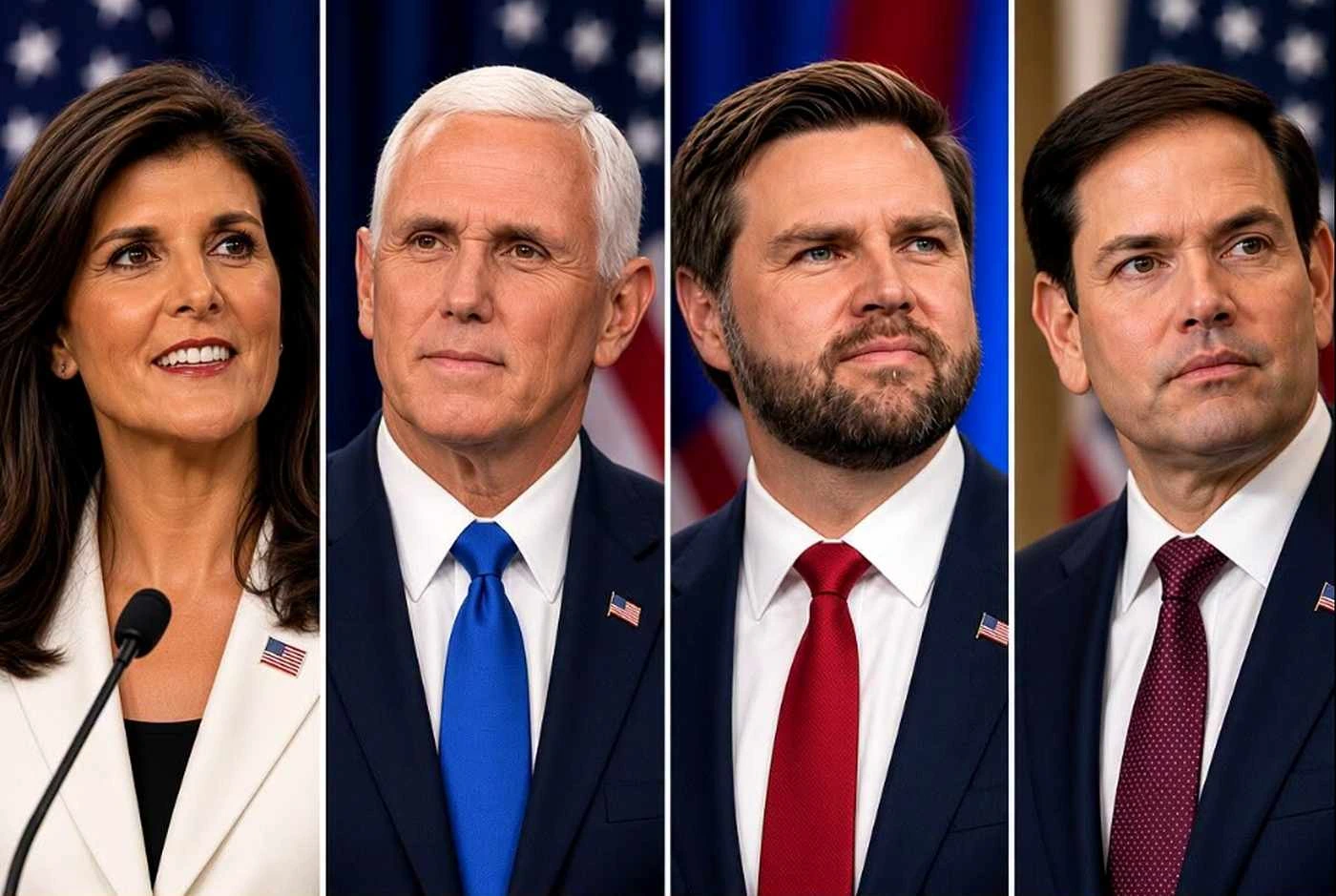
The Democratic landscape presents a starkly different picture. Forty-five percent of Democratic primary voters said they do not know whom they would support if a primary were held today. Former Vice President Kamala Harris, the most frequently named Democrat at 12 percent, faces fragmented support from potential candidates including California Governor Gavin Newsom at 9 percent and others polling in single digits. Another 15 percent of Democratic respondents volunteered candidates outside the listed field.
Multiple national polls conducted during 2026 have placed Vance at or near the top of potential Republican primary fields. An October Focaldata survey for the Financial Times showed Vance at 38 percent among likely Republican primary voters compared with 24 percent for Rubio, with former Governor Ron DeSantis at 9 percent and Donald Trump Jr. at 7 percent.
What This Means
The polling data suggests Republican voters have largely decided their preferences, with Vance and Rubio—both current Trump administration officials—emerging as frontrunners despite neither having formally declared a candidacy. Trump has praised both men when questioned about the party’s future, and his eventual endorsement could become a decisive factor among Republicans still considering their options.
Fishback’s announcement signals the beginning of formal campaign activity in a race that remains more than two years from the first primary contests. The early snapshot provided by current polling may shift substantially as major-party primary campaigns officially launch and candidate fields take final shape. For Democrats, the unsettled state of voter preference suggests the competitive landscape will likely remain fluid throughout 2027 and into 2028.



