The U.S. Supreme Court ruled 6-3 on Tuesday that foreign plaintiffs cannot use two decades-old statutes to sue American companies for allegedly facilitating human rights abuses abroad, in a decision that significantly curtails transnational litigation against U.S. corporations.
The ruling in Cisco Systems, Inc. v. Doe stemmed from a lawsuit filed by practitioners of Falun Gong, a spiritual movement banned by the Chinese government, who alleged that the San Jose-based technology company knowingly provided surveillance and networking equipment used in their detention and torture. The case challenged whether federal courts could recognize new private lawsuits under the 1789 Alien Tort Statute and the 1991 Torture Victim Protection Act against companies accused of aiding and abetting human rights violations overseas.
What Happened
Writing for the six-justice conservative majority, Justice Amy Coney Barrett held that federal judges lack constitutional authority to create private causes of action under the Alien Tort Statute, and that the Torture Victim Protection Act does not establish secondary liability for companies that knowingly assist in torture. “Today, we close the door that Sosa cracked and hold that courts may not create new causes of action for violations of international norms,” Barrett wrote, referring to the court’s 2004 precedent in Sosa v. Alvarez-Machain.
Chief Justice John Roberts and Justices Clarence Thomas, Samuel Alito, Neil Gorsuch, and Brett Kavanaugh joined Barrett’s opinion. The decision reverses a lower-court ruling from the U.S. Court of Appeals for the Ninth Circuit, which had permitted the Falun Gong plaintiffs to proceed with their claims that Cisco provided material support for the abuse of religious practitioners through surveillance technology known as the “Golden Shield” project.
The majority emphasized that the Alien Tort Statute functions solely as a jurisdictional provision, granting federal courts the power to hear certain cases without establishing substantive legal rights. Additionally, Barrett found that the Torture Victim Protection Act’s statutory text makes no mention of aiding-and-abetting liability, limiting claims to direct perpetrators of torture rather than companies that provide support for such actions.
The Reaction
The three dissenting liberal justices voiced strong disagreement with the breadth of the majority’s ruling. Justice Sonia Sotomayor argued that the Torture Victim Protection Act’s plain language permits claims against individuals who intentionally assist in torture, writing “Because the plain text of this statute includes individuals who aid and abet the victim’s torture, I would affirm the Ninth Circuit’s judgment on this score as well.”
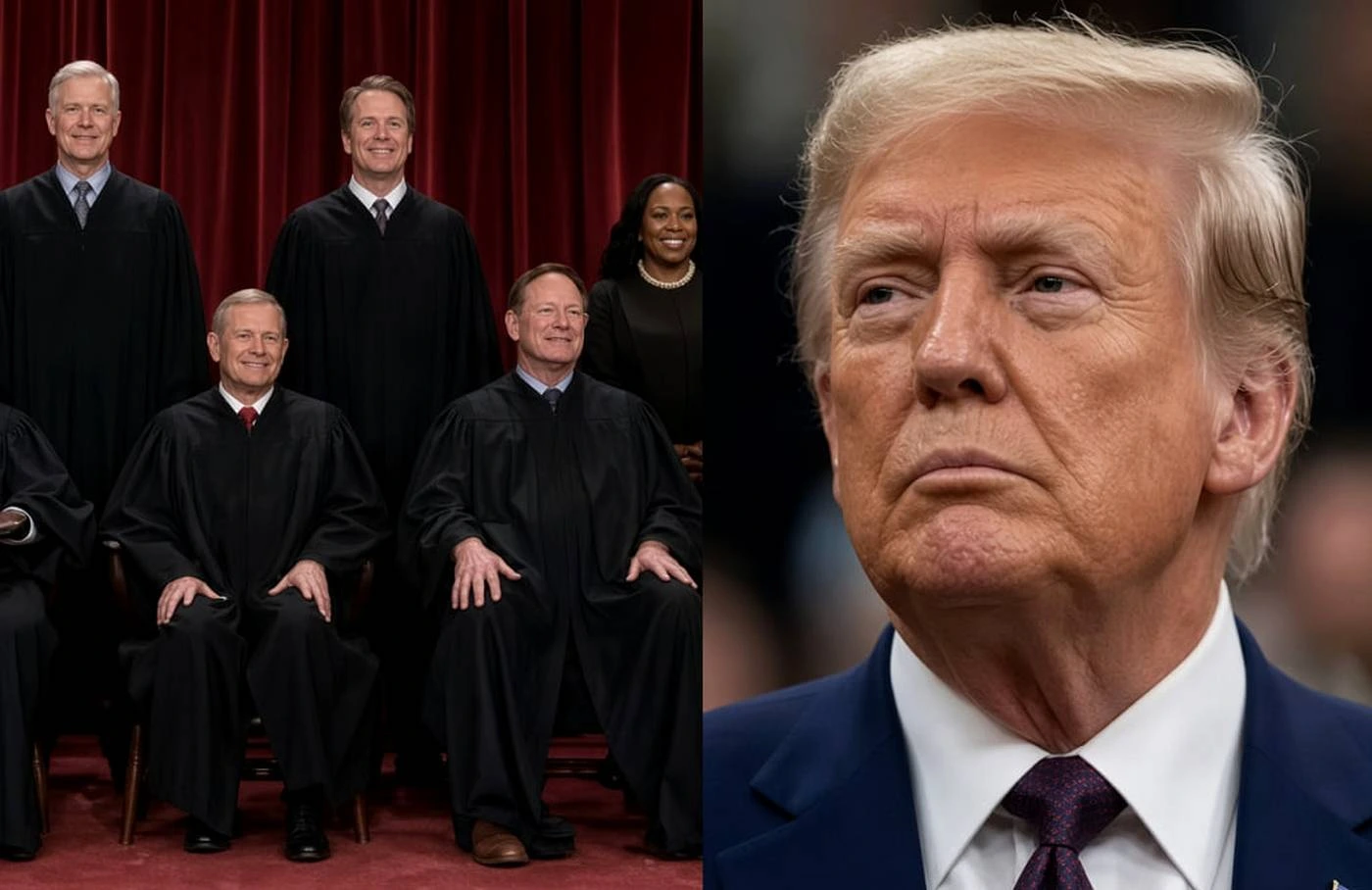
Justice Elena Kagan joined Sotomayor’s dissent, while Justice Ketanji Brown Jackson authored a separate dissent contending that the Torture Victim Protection Act’s framework was broad enough to reach parties providing material assistance to state-sponsored torture, even as she conceded that narrowing the Alien Tort Statute had merit.
Business groups and corporate defense lawyers celebrated the decision as removing a significant legal vulnerability. The Solicitor General’s office had supported Cisco during oral arguments, warning that expansive transnational litigation could disrupt diplomatic relations and discourage American companies from operating in certain markets.
What This Means
The ruling represents a capstone to a decades-long conservative effort to restrict human rights litigation in U.S. courts by narrowing access to federal courts for foreign plaintiffs suing American entities. The decision reinforces a principle that foreign policy matters—including responses to alleged abuses by foreign governments—should be resolved through Congress and the executive branch rather than through private tort litigation.
For technology companies and multinational corporations, the decision substantially reduces their exposure to litigation over overseas business dealings. Companies had previously faced the risk of costly class actions alleging that their products or services indirectly supported human rights violations, even when those products were sold to foreign governments rather than directly to abusive actors.
The majority’s reasoning centered on the constitutional separation of powers, with the court holding that allowing unelected judges to recognize novel legal claims based on evolving international norms represented an improper intrusion into foreign policy-making. The decision reflects a broader judicial philosophy prioritizing clear textual limits on federal court jurisdiction over claims that lack explicit statutory authorization.



