Intelligence officials across the United States, Israel, and allied nations are tracking intensified military threat assessments in the Middle East as 2025 enters a critical phase marked by elevated rhetoric, increased military deployments, and active diplomatic negotiations aimed at preventing further regional escalation.
The past several months have witnessed a marked acceleration in security concerns, with defense agencies reporting coordinated activity across multiple flashpoints spanning contested territories and strategic waterways. Diplomatic channels remain open even as military readiness levels have climbed among key regional stakeholders and their international partners.
What Happened
Israeli defense officials have reported heightened threat assessments following intercepted communications gathered through regional intelligence networks. “We are monitoring the situation closely,” a senior Israeli security official said, declining to specify operational details or estimated timelines for any potential military action. The intelligence gathering has intensified over recent weeks, with analysts identifying multiple concurrent threat vectors originating from different quarters of the region.
U.S. military commanders have coordinated with regional allies to evaluate contingency plans and reinforce defense agreements that have anchored regional security architecture for decades. Multiple nations have repositioned military assets in response to perceived threats, with naval forces, air defense systems, and ground units moving to prepared positions across the region.
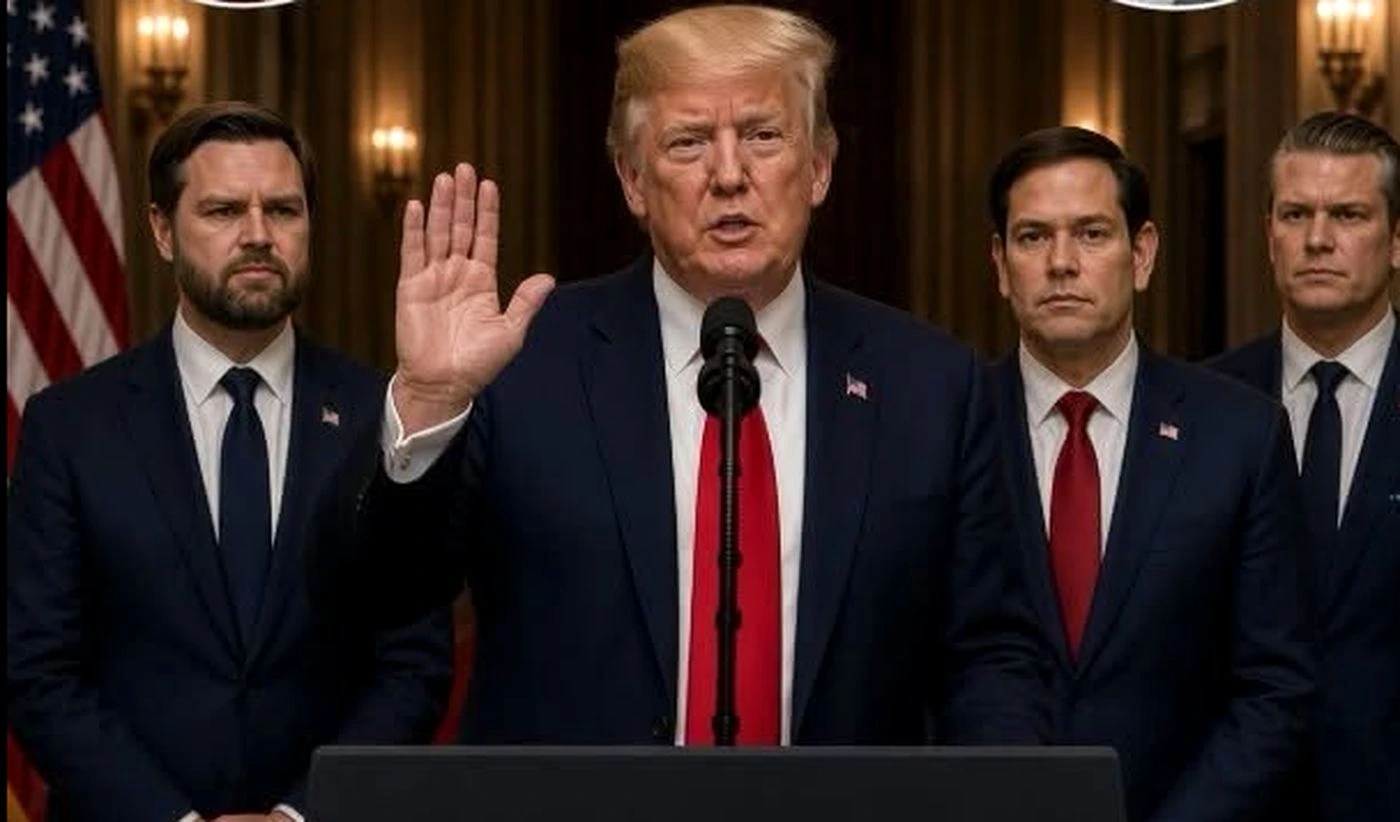

The Reaction
International responses have remained measured, with diplomatic officials across multiple countries calling for de-escalation and direct dialogue between regional actors. NATO allies have reaffirmed security commitments to regional partners while simultaneously urging all sides to exercise restraint and avoid actions that could trigger wider conflict. United Nations officials have convened emergency consultations to assess the current situation and identify potential diplomatic pathways for reducing immediate tensions.
“All parties should prioritize dialogue over military action,” a UN spokesperson stated during a briefing, reflecting the international community’s emphasis on negotiated solutions. Economic markets have responded to the uncertainty, with oil prices and regional equity indices experiencing notable volatility as investors weighed potential outcomes and their consequences for global energy supplies and trade flows.
What This Means
The current security environment reflects longstanding regional rivalries and unresolved territorial disputes that have defined Middle East geopolitics for generations. Defense analysts emphasize that recent escalations represent not isolated incidents but rather symptoms of structural vulnerabilities in the region’s security architecture and the absence of durable mechanisms for managing interstate competition and resolving contentious issues.
Looking ahead, the trajectory of these tensions will depend substantially on the willingness of regional actors to engage in substantive negotiations and the effectiveness of back-channel diplomatic efforts currently underway. International observers are maintaining close watch on communications among key players, seeking indicators of whether negotiated de-escalation remains possible or whether the current escalatory spiral will continue unchecked. The coming weeks will likely prove crucial in determining whether 2025 marks a turning point toward renewed dialogue or a further deterioration of regional stability.



