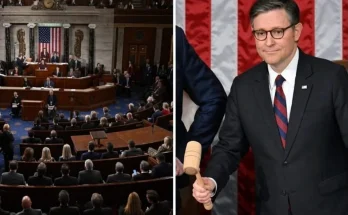
The House of Representatives voted 373 to 15 on Wednesday to extend the federal terrorism insurance backstop through 2034, a bipartisan move to preserve market protections for commercial real estate developers, major infrastructure projects, and property insurers facing potential catastrophic losses from terrorist attacks.
The legislation, H.R. 7128, sailed through with support from both parties and now heads to the Senate, where lawmakers are preparing a companion measure. The program, first created after September 11, 2001, operates as a public-private partnership in which the Treasury Department absorbs a portion of insured losses once industry-wide thresholds are breached.
What Happened
Rep. Mike Flood of Nebraska, chairman of the House Financial Services Subcommittee on Housing and Insurance, introduced the reauthorization measure, which extends federal protections well beyond the program’s scheduled December 2027 expiration date. The overwhelming margin of passage reflected broad congressional consensus that maintaining the backstop serves essential economic functions for urban development, commercial lending, and large-venue construction projects.
The 2026 reauthorization incorporates several technical refinements intended to tighten the program’s operational framework. The statutory insured-loss threshold for formally certifying an event as terrorism-related would rise from $5 million to $10 million beginning in 2029, a change lawmakers said reflects inflation and prevents minor incidents from triggering federal reviews. The measure also grants the Treasury Department explicit authority to publish guidance and administrative status reports when incidents are evaluated for certification.
The program retains its 80-20 loss-sharing arrangement between federal and private carriers once the aggregate trigger—currently $200 million in total industry losses—is reached. Because private insurers maintain substantial front-end deductibles based on their direct earned premiums, the federal government functions as an insurer of last resort for extreme tail-risk scenarios, House leaders said.
The Reaction
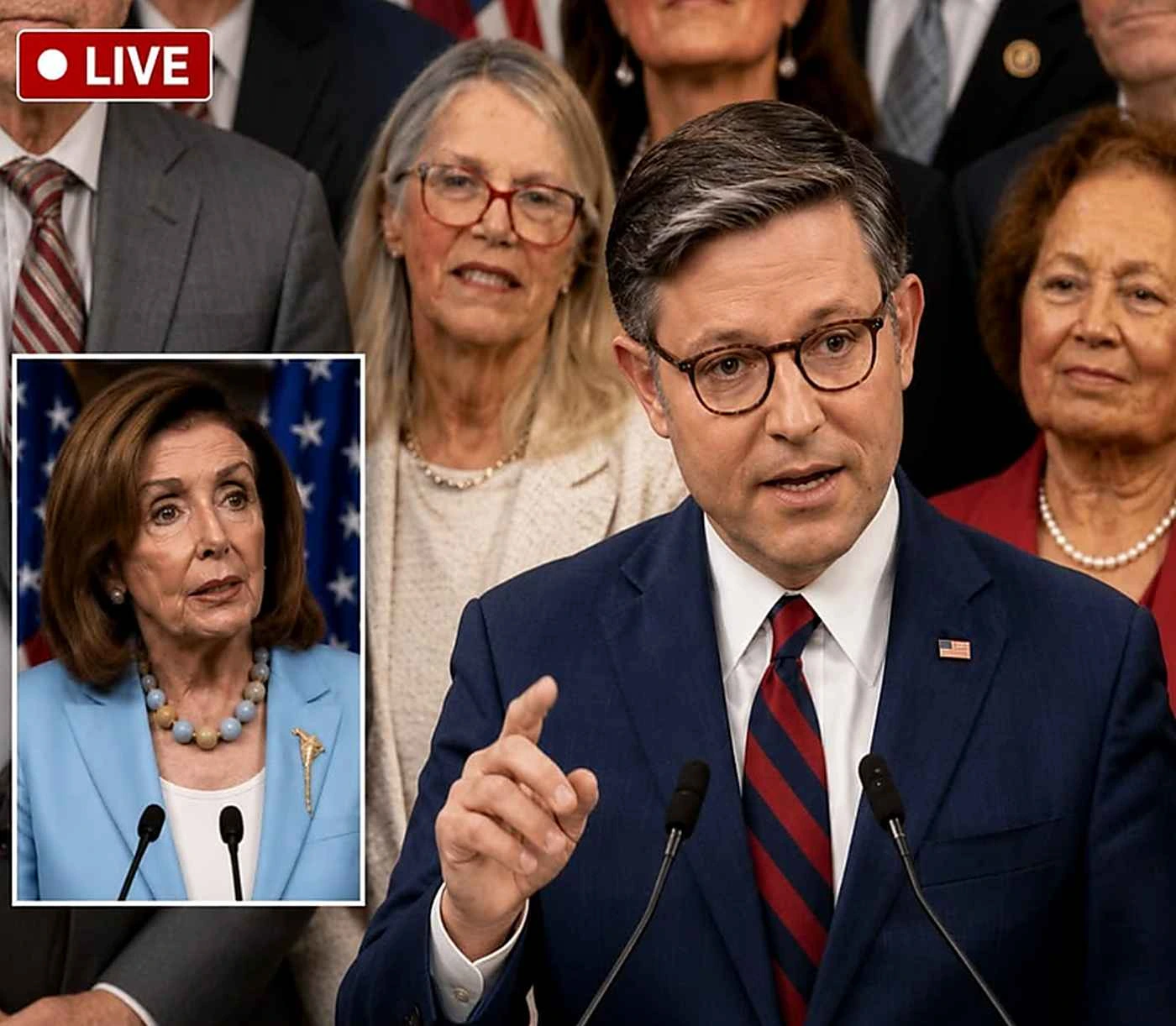
House Financial Services Committee Chairman French Hill of Arkansas framed the program during floor debate as foundational to modern commercial development rather than a routine public subsidy. “The purpose of TRIA is to provide for a transparent system of shared public and private compensation for insured losses resulting from acts of terrorism,” Hill said. “That’s the goal: to give policyholders the financial protection and confidence they need to build skyscrapers, sports venues, and malls, and employ workers that drive our economy.”
Flood emphasized that early reauthorization provides multi-year debt markets with legal certainty required for underwriting long-term capital projects. “We are so fortunate that we have never seen a TRIA claim in the program’s entire history,” Flood told colleagues. “However, if this program is going to continue to exist with a public backstop, we should ensure we update its charter to protect taxpayers in the event of future claims.”
Major trade associations including the U.S. Chamber of Commerce, the Real Estate Roundtable, and the American Bankers Association had lobbied intensively for swift reauthorization. Industry analysts warned that allowing the program to lapse could prompt commercial property insurers to withdraw terrorism coverage entirely or impose prohibitively expensive premiums, potentially stalling high-density urban development, stadium construction, and forcing businesses to self-insure against geopolitical violence.
What This Means
In major metropolitan markets such as New York, Chicago, and Los Angeles, institutional lenders routinely mandate terrorism insurance as a covenant for approving commercial mortgages and construction financing. A sudden contraction in available coverage could freeze development pipelines and disrupt financing networks that underpin commercial real estate markets. Congressional leadership expects the Senate to move quickly on its companion bill, positioning the measure to reach the president’s desk well ahead of statutory deadlines and avoiding any operational gap in coverage.
The program’s survival hinges on demonstrating long-term fiscal responsibility while maintaining market access. The seven-year extension provides policymakers time to assess whether technical adjustments adequately balance taxpayer protection against the economic costs of interrupted development cycles in major urban centers.