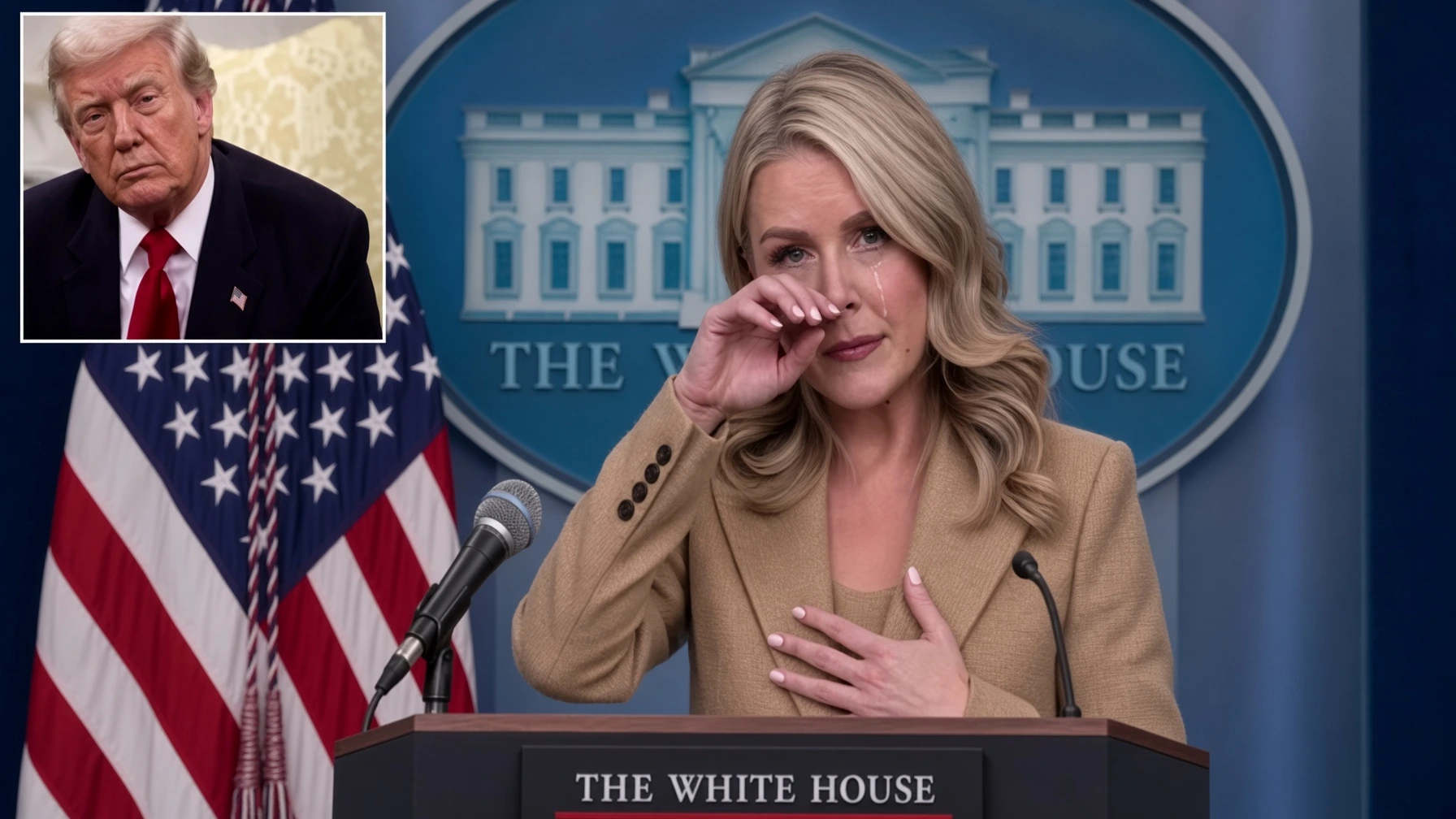
White House Press Secretary Karoline Leavitt defended the Trump administration’s restructuring of press access protocols during a public forum with media executives, marking the first high-profile justification of policy changes affecting how journalists cover the presidency.
The administration has implemented new rules governing which reporters receive briefing room credentials and how the White House communications office operates, shifting practices established over decades. Officials characterized the changes as necessary efficiency measures, though media organizations have raised concerns about potential restrictions on coverage.
What Happened
Leavitt appeared at a media industry event to outline the rationale behind the White House’s revised approach to press operations. The restructuring affects credential distribution, briefing schedules, and the physical access journalists have to senior officials, according to details disclosed during the discussion. She framed the changes as part of a broader effort to modernize how the executive branch communicates with the press.
The new protocols represent a significant departure from long-standing traditions dating back multiple administrations. Under the previous system, credential allocation followed established precedent and press pool conventions. The Trump administration said it sought to streamline processes and reduce what it views as unnecessary bureaucracy in media operations.
The Reaction
News organizations and press freedom advocates have questioned whether the changes might limit coverage of presidential activities. The Committee to Protect Journalists and several major media outlets have called for transparency regarding the specific criteria now used for credential decisions. “Access to information about government actions remains essential to public accountability,” representatives from major news organizations stated in response to the announcement.
Leavitt countered that the administration remains committed to press access and characterized concerns as unfounded. She pointed to the continuation of daily briefings and ongoing media availability as evidence the White House values press engagement. Officials said decisions about credentials were based on operational efficiency rather than editorial preference.
What This Means
The policy adjustments signal the administration’s intent to exert greater control over how press interactions occur within the White House complex. Whether these changes prove temporary or become permanent will likely depend on their reception from both media outlets and the broader public. The precedent set by how press access is managed in this administration could influence practices for years to come, as future administrations may either expand or contract the changes now being implemented.