After the Supreme Court vacated an earlier injunction, a federal judge has lifted legal obstacles to Trump’s executive order requiring states to submit voter lists and mail ballots to use barcodes, though new court challenges block enforcement as November approaches.
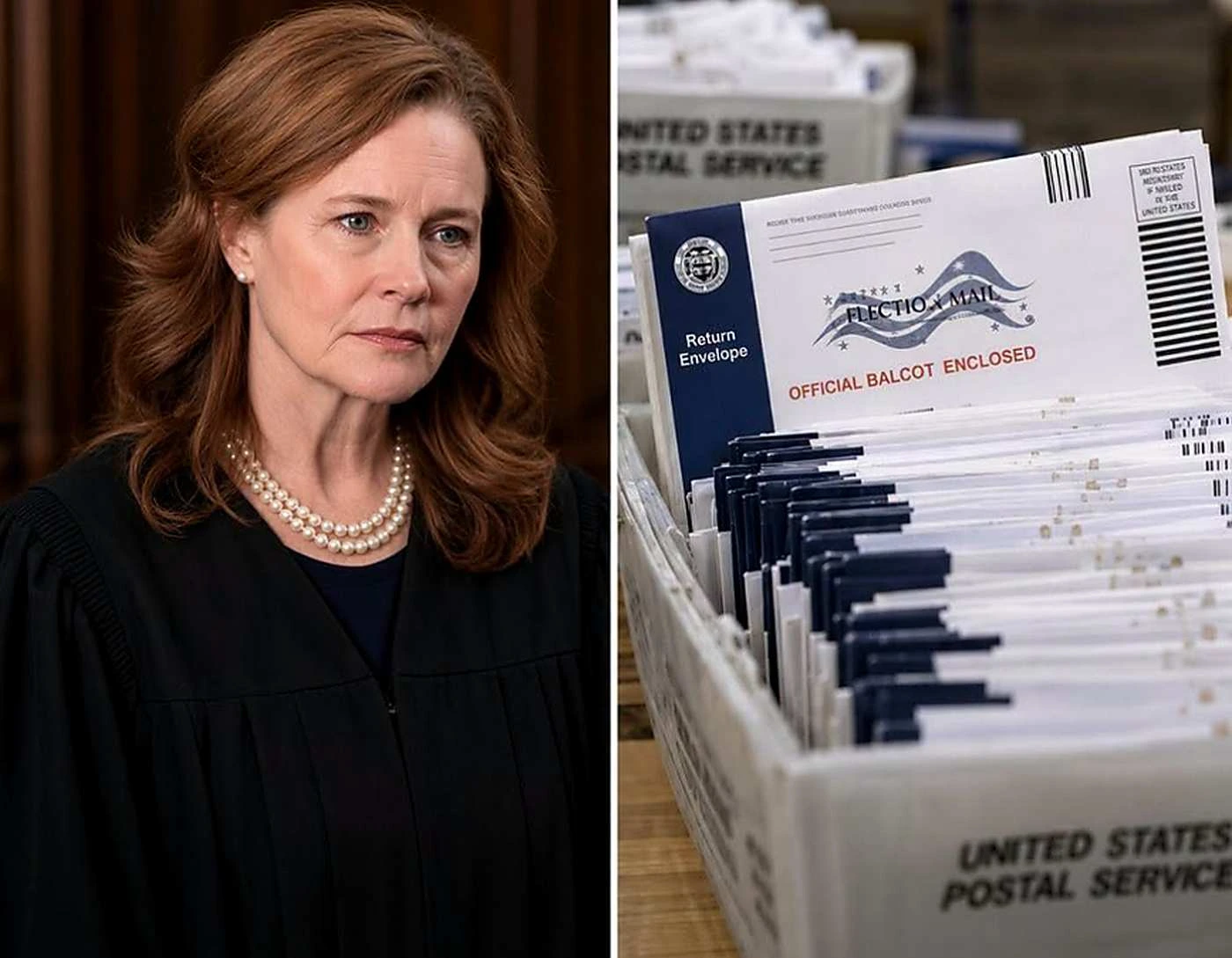
The Trump administration sought to implement a directive requiring the U.S. Postal Service to enforce stricter standards on mail-ballot distribution, including mandatory state voter-eligibility lists and unique barcodes on ballot envelopes. The Supreme Court’s August decision removed a procedural hurdle to the policy, finding that an earlier legal challenge had been filed before USPS finalized its implementing regulations.
Following the Supreme Court’s ruling, federal judge Denise Talwani lifted her nationwide injunction that had blocked the policy. The procedural victory appeared to clear the path for the administration to move forward with the mail-ballot requirements.
What Happened
The legal landscape shifted rapidly as USPS completed and released its final regulations governing how states must participate in the new mail-ballot system. Democratic-led states and voting-rights organizations promptly returned to federal court with fresh challenges, arguing that the completed rule exceeded federal authority and threatened to disenfranchise eligible voters.
On August 27, Talwani issued a new temporary order blocking key portions of the finalized Postal Service rule while litigation continues. The blocking order meant that despite the administration’s Supreme Court victory weeks earlier, the mail-ballot requirements remained unenforceable.
The Justice Department subsequently appealed Talwani’s new injunction to the First Circuit Court of Appeals and filed an emergency request with the Supreme Court asking the justices to intervene a second time. The administration argues that USPS possesses legal authority to establish the mail-ballot requirements and that states retain control over determining voter eligibility for mail voting.
Government lawyers dismissed concerns that the rule could disrupt voting close to Election Day. They contend that USPS can coordinate with state officials to meet the new requirements without widespread operational problems.
The Reaction
Opponents of the policy characterize it as an unconstitutional federal encroachment on state-administered election processes. Legal challengers argue that the Postal Service lacks statutory authority to refuse delivery of otherwise valid ballots based on requirements that Congress did not enact.
Talwani signaled skepticism about the rule’s legal foundation in earlier filings, stating that challengers appeared likely to succeed on claims that the administration had overreached its authority. The timing has intensified the dispute as North Carolina began distributing mail ballots Friday, with other states preparing to follow throughout September ahead of November elections.
Election officials across multiple states have told courts that ballot envelopes have already been printed and voting systems configured, leaving minimal time to implement new federal directives. An online portal allowing states to upload voter eligibility lists was not yet fully operational this week, though USPS indicated continued development efforts.
A separate concern emerged when an anonymous Postal Service whistleblower alleged that the agency had accelerated development of the computer system required to implement the rule and that technical problems could disrupt ballot distribution. USPS said it is reviewing those claims and refining the system.
What This Means
The litigation leaves states facing substantial uncertainty about which mail-voting rules will govern the November election. The Supreme Court’s earlier decision addressed a procedural question about timing rather than the substantive constitutional question of whether the executive order itself exceeds federal authority.
With Talwani’s latest injunction blocking enforcement, the administration must persuade either the First Circuit or the Supreme Court to permit the rule to take effect while litigation proceeds. The core dispute now centers on whether the federal government can impose requirements on mail-ballot handling when states have traditionally administered elections with minimal federal involvement.
Election officials and voting-rights advocates maintain that administrative and database errors could result in eligible voters failing to receive ballots under the new barcode and eligibility-list system. The administration maintains that stronger procedural controls enhance election security and that existing state processes determine voter authorization for mail voting.



