Early voting results and a major fraud scandal have shifted Minnesota’s U.S. Senate race toward Republicans, placing Democrat Peggy Flanagan on the defensive against Republican challenger Michele Tafoya in the final weeks of the campaign.
Minnesota’s Senate contest has transformed from a Democratic stronghold into a competitive battleground. Recent debate clashes and evolving political ratings suggest the race tightens as voters weigh administration accountability alongside other concerns.
What Happened
Tafoya, a former NFL broadcaster, has made government oversight central to her campaign message. During a recent debate, she directly challenged Flanagan over a fraud scandal that unfolded during Flanagan’s tenure as lieutenant governor under Governor Tim Walz. “This historic fraud happened under her watch, and suddenly, she’s looking out for Medicaid and SNAP?” Tafoya asked, referencing Flanagan’s stated concerns about social safety net programs.
The scale of the fraud allegation has captured national attention. Federal prosecutors have estimated that fraud involving Minnesota spending could reach as much as $9 billion—roughly 15 percent of the state’s annual budget of approximately $67 billion. The fraud raises accountability questions about program oversight, warnings officials received, and whether safeguards functioned as intended.
The Cook Political Report shifted its rating of Minnesota’s Senate race toward Republicans, signaling that a contest Democrats once expected to win comfortably has become increasingly competitive. Flanagan serves as lieutenant governor alongside Walz, meaning she must defend the administration’s record while seeking promotion to Washington.
The Reaction
Political analysts have noted that fraud and public safety concerns have emerged as dominant themes in Minnesota’s Senate coverage. A shooting incident on October 2 at Eden Prairie High School’s homecoming football game, in which two youths were wounded, added pressure on the Democratic administration’s safety record. According to reporting, individuals arrested in the incident were released on bail within days, a detail Tafoya’s campaign has highlighted in questioning detention and community safety decisions.
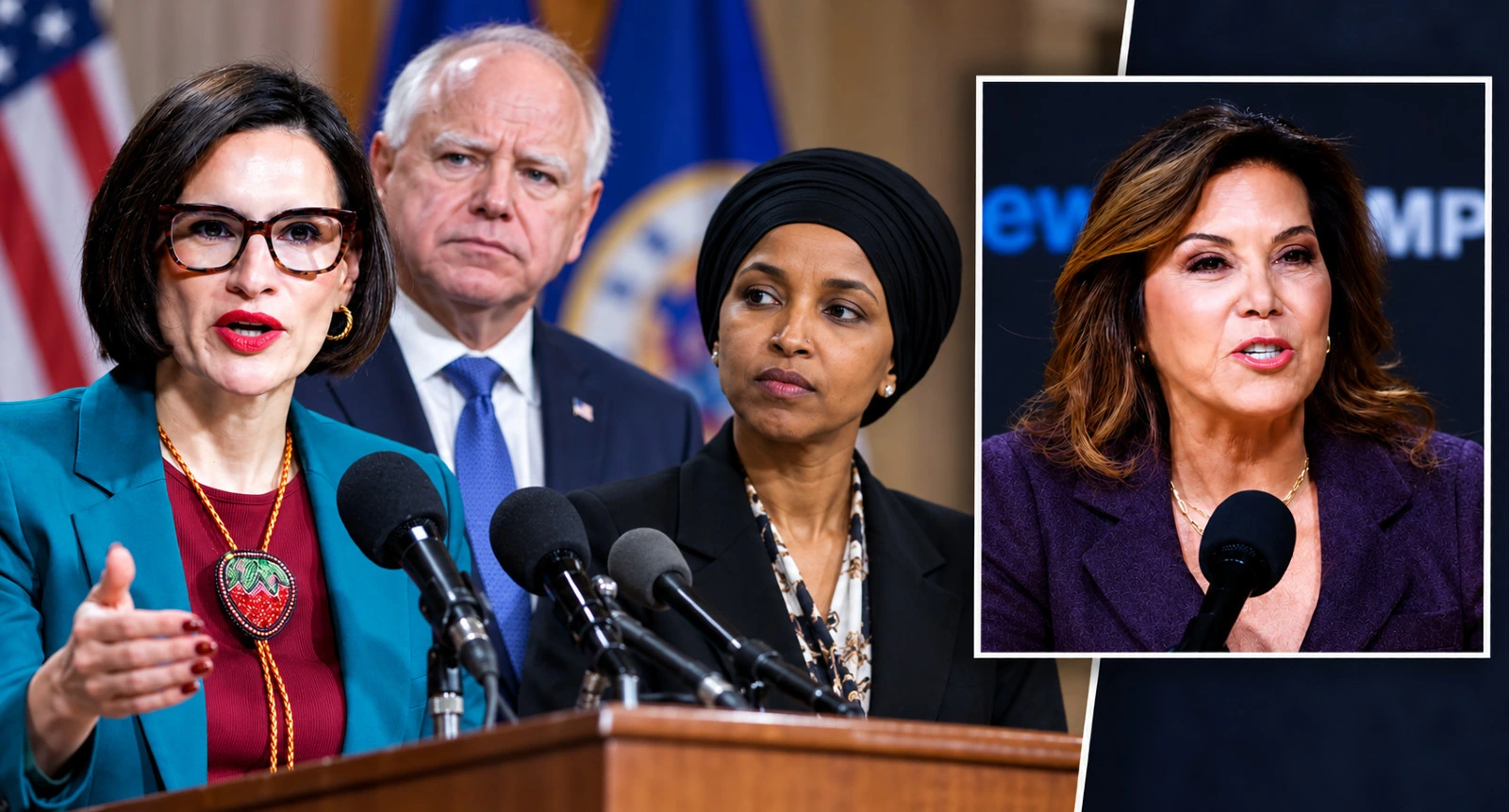
Flanagan has faced pressure to explain her position on the fraud scandal and administration decisions. When asked directly about her responsibility in the matter, she did not offer a clear acknowledgment, a moment that has been circulated by Republican-aligned media as evidence of evasion on accountability.
The race has attracted commentary from national political figures who assess Minnesota as a potential Republican opportunity. Assessments of Tafoya’s debate performance have been positive among conservative analysts, though polling data showing Tafoya holding a demonstrated lead has not been widely published.
What This Means
The Minnesota Senate race illustrates how local governance issues can reshape national political terrain in the election cycle’s final weeks. Fraud allegations threaten not only the credibility of government officials but also public confidence in safety-net programs intended to serve vulnerable residents. For voters, the questions extend beyond scandal to encompass how officials respond when government programs fail oversight.
Walz previously abandoned his planned reelection campaign for governor, a decision some observers link to mounting pressure over the administration’s record. Flanagan’s Senate bid now tests whether Democratic voters will support her despite association with those controversies, or whether dissatisfaction with state governance may produce unexpected electoral shifts in a traditionally Democratic state.
As early voting continues, the trajectory of Minnesota’s Senate race remains a closely watched indicator of whether Democrats can retain control in a race that has moved decisively into competitive territory.



