Republican candidates have moved ahead of Democratic rivals in several critical Senate races days before the midterm election, with new polling showing narrow leads that could determine control of the chamber.
The shifting landscape reflects how volatile these contests remain, with different polling firms producing different frontrunners in the same races. Republicans currently control the Senate 53–47, and the outcome in states like Texas, Kansas, Iowa, Michigan, and Ohio may prove decisive in determining which party holds the majority after voting concludes.
What Happened
An InsiderAdvantage survey conducted October 13–14 showed Republican Ken Paxton leading Democrat James Talarico in Texas 49% to 48% among 1,200 likely voters, a shift from earlier surveys where Talarico held the advantage. However, the RealClearPolitics average still favors Talarico at 48.5% to 46.3%, and a CBS News survey through October 16 showed Talarico ahead 51% to 49%, illustrating the uncertainty in the race.
In Kansas, Republican incumbent Sen. Roger Marshall pulled ahead of Democrat Adam Hamilton 48% to 47% in the latest InsiderAdvantage survey. The result marks a turnaround from earlier polling where the two candidates had alternated leads. Kansas has not elected a Democratic senator in over 90 years, making the competitive nature of this race unusual. President Donald Trump campaigned for Marshall in Kansas on Monday, visiting the state to bolster Republican turnout.
Republican Mike Rogers moved ahead in Michigan’s Senate race, according to a Tyson Group poll conducted October 6–8 among 600 likely voters. Rogers leads Democrat Abdul El-Sayed 46% to 44%, gaining three points since the firm’s previous survey in late September. In Iowa, GOP Representative Ashley Hinson holds narrow leads over Democrat Josh Turek in the race for the seat being vacated by retiring Republican Senator Joni Ernst, with recent polling from co/efficient showing Hinson ahead 48% to 45% and Trafalgar Group showing her leading 45.9% to 44.2%.
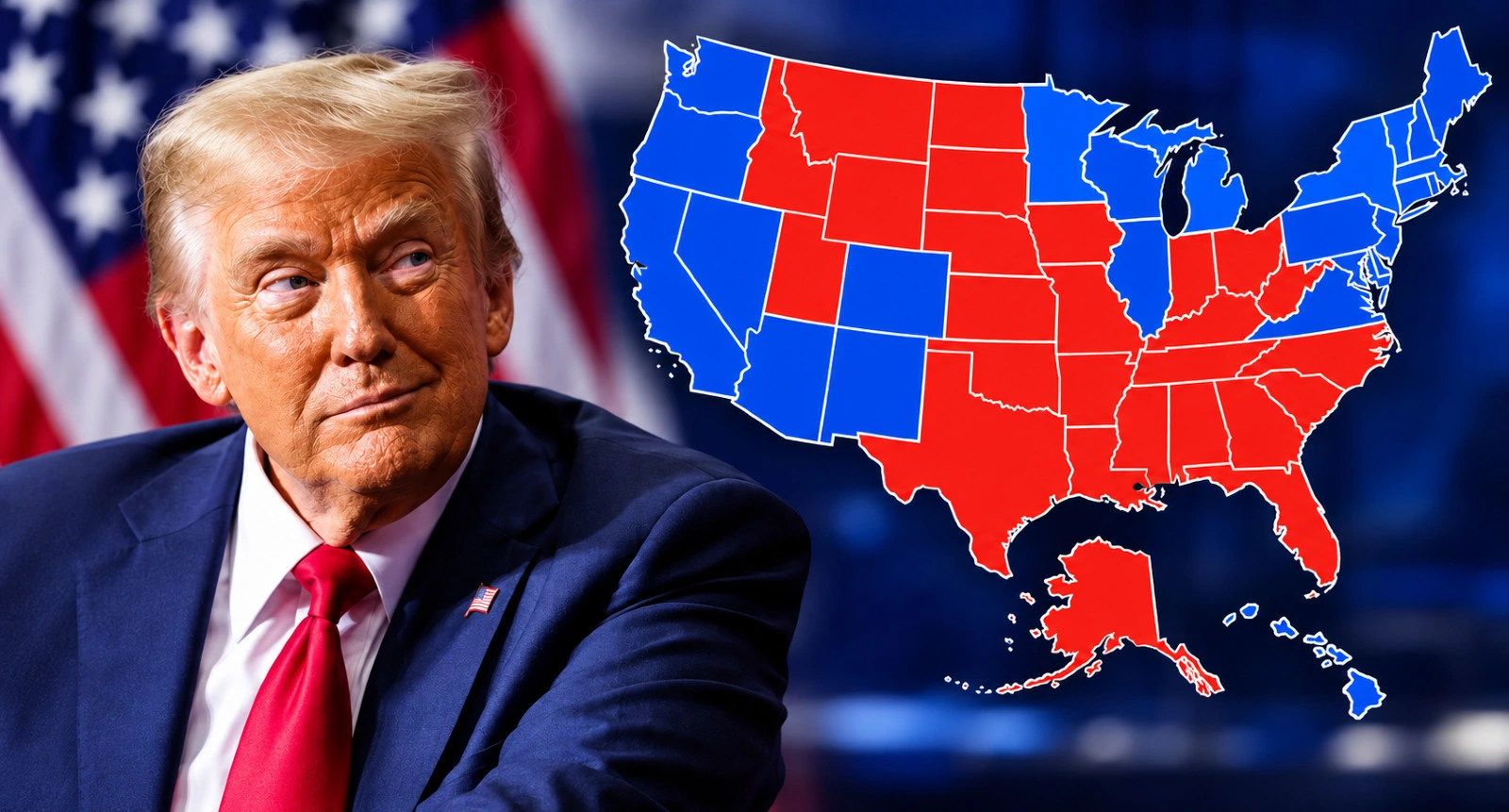
Ohio presents a more complicated picture. Incumbent Republican Sen. Jon Husted leads former Democratic Sen. Sherrod Brown 49% to 47% according to Rasmussen Reports, while an ActiVote survey showed an even tighter margin of 50.2% to 49.8%. The RealClearPolitics average, however, favors Brown at 47.4% to 44.6%, and a newly released Marist survey shows the Democrat leading by four points, demonstrating the volatility in this race.
In Maine, Democrat Troy Jackson holds a narrow edge over Republican incumbent Sen. Susan Collins. InsiderAdvantage, Suffolk University, and Rasmussen all show Jackson leading 49% to 47%, though the RealClearPolitics average puts his advantage at just 1.6 points. Collins has a history of outperforming pre-election polling in her state, leaving the race uncertain.
The Reaction
The shifting poll numbers have drawn attention from political analysts tracking the Senate’s direction. Fox News anchor Bret Baier noted on Sunday that if Republican candidates exceed current polling averages by margins similar to polling errors in previous election cycles, the GOP could secure a 52-48 Senate majority. The observation reflects how close these races remain and how small movements in voter preference could reshape the chamber’s control.
What This Means
The races underscore how concentrated power has become in a handful of swing states. Movement in Texas alone could determine Senate control, yet polling there remains split depending on the survey. Similar dynamics play out in Kansas, despite the state’s long Republican history, and in Ohio, where Brown’s previous Senate tenure makes the race competitive in ways observers did not anticipate months ago.
The competing survey results highlight a persistent challenge in modern polling: different methodologies and samples can produce divergent snapshots of voter sentiment, particularly in races where margins are narrow. As election day approaches, these contests may ultimately turn on factors beyond what polls capture—turnout models, late-breaking events, or ground-game effectiveness in individual states.



