The Trump administration has significantly expanded the federal law enforcement presence in Washington, D.C., arguing that more assertive intervention is necessary to combat violent crime and restore public safety in the nation’s capital.
Federal agencies are now working in closer partnership with local police, with an emphasis on firearms offenses, public disorder cases, and enforcement actions coordinated through the D.C. Safe and Beautiful Task Force. The administration framed the expansion as a strategy to reduce crime rates, strengthen prosecutions, and rebuild public confidence in law enforcement agencies.
What Happened
Federal law enforcement agencies have shifted toward a more visible, coordinated presence across Washington, D.C., supplementing the efforts of the Metropolitan Police Department. The administration cited Congress’s constitutional authority over the District as legal justification for the expanded role. Officials pointed to crime statistics—including ongoing concerns about carjackings and robberies—as evidence that the federal intervention addresses genuine public safety challenges.
Residents in some neighborhoods have reported increased police visibility as a positive development. “The greater presence has made certain areas feel safer,” according to observations from community members who view the operation as a committed response to serious offenses affecting their neighborhoods.
The Reaction
Support for the initiative comes from those who prioritize public safety and believe federal resources can effectively reduce crime. Proponents argue that Washington’s status as the nation’s capital justifies a federal law enforcement role and that coordinated enforcement strengthens accountability for offenders.
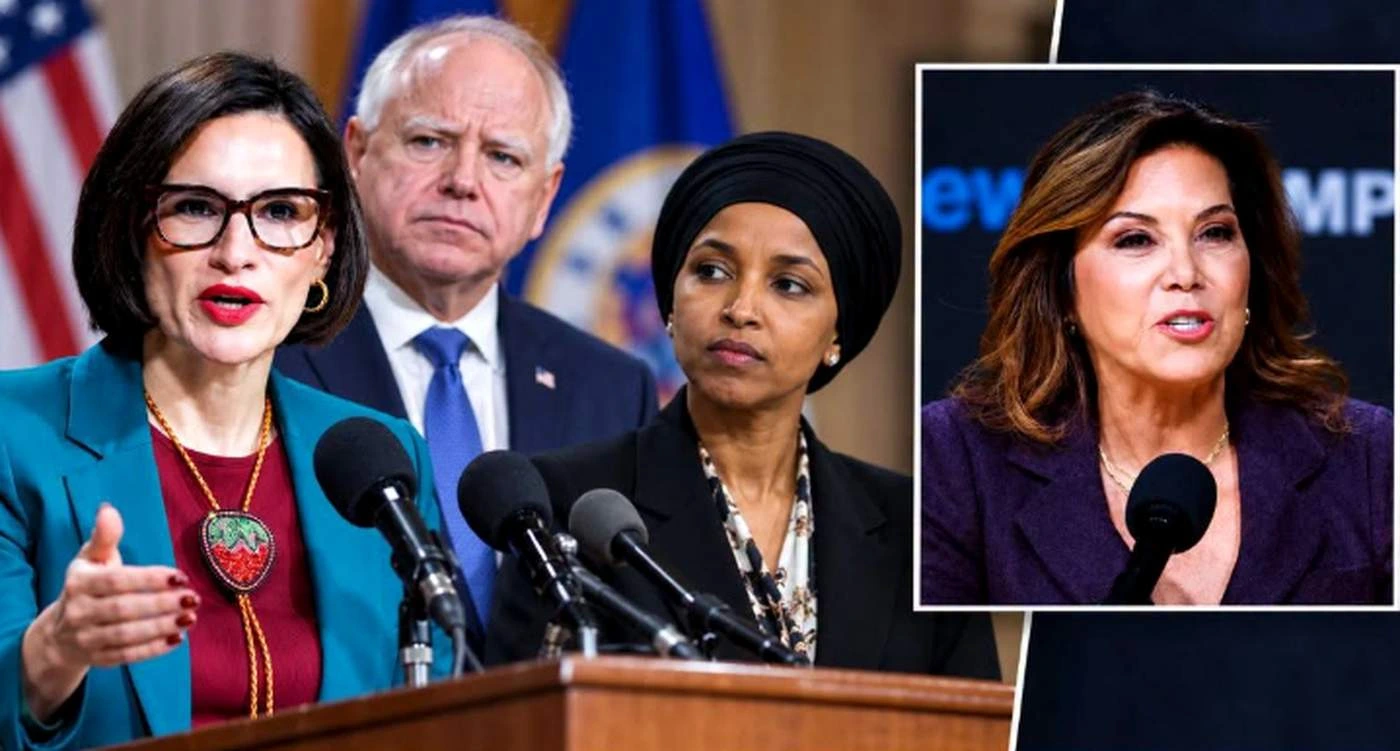
Civil rights organizations, community advocates, and local governance defenders have expressed significant concerns. Critics warn that intensified enforcement could disproportionately affect vulnerable populations, including immigrant communities, while creating uncertainty about which agencies hold responsibility for specific enforcement actions. Transparency and oversight have emerged as central issues, with opponents questioning whether the federal expansion operates under adequate public accountability.
The dispute also reflects deeper tensions between federal authority and local self-governance. Although Washington elects its own mayor and city council, Congress retains broad powers over District affairs. Opponents contend that an expanded federal footprint risks subordinating locally set priorities to national enforcement agendas, potentially undermining the District’s capacity to chart its own course on public safety policy.
What This Means
The initiative’s long-term success depends on factors beyond patrol frequency or short-term crime statistics. Reliable data collection, transparent reporting mechanisms, independent oversight, and sustained cooperation between federal and local authorities will prove essential to evaluating lasting effects. The core tension remains unresolved: whether expanded federal law enforcement can yield durable gains in public safety while simultaneously protecting civil liberties, maintaining accountability, and preserving the District’s governing autonomy.
As the operation continues, Washington faces a fundamental question about the proper balance between federal intervention and local control. The outcome will likely shape how future administrations approach law enforcement in the nation’s capital and set precedents for federal-local coordination on crime reduction efforts.



