Federal law enforcement agencies have expanded their operational presence across Washington, D.C., under direction from President Donald Trump, prompting debate among residents and advocacy groups over the balance between public safety and civil liberties.
The administration framed the initiative as a response to longstanding public safety concerns in the nation’s capital. Officials said the objective is to reduce violent crime, strengthen enforcement, and improve coordination among federal agencies already operating in the city.
What Happened
The expanded federal role represents a shift in how law enforcement resources are deployed across Washington. The administration pointed to persistent crime statistics and community frustrations as justification for the increased presence. Federal agencies have heightened patrols and coordination efforts in targeted neighborhoods, according to administration statements.
The action reflects a broader approach to urban public safety that prioritizes federal intervention in cities deemed to have persistent crime challenges. Similar operations have been considered or implemented in other major metropolitan areas over recent years.
The Reaction
Residents offered divergent assessments of the changes. Some reported feeling safer, citing more visible law enforcement patrols and what they described as a reduction in criminal activity on their streets. “We’ve noticed more officers in the neighborhood, and crime has gone down,” one neighborhood resident said in recent accounts of the operation’s early effects.
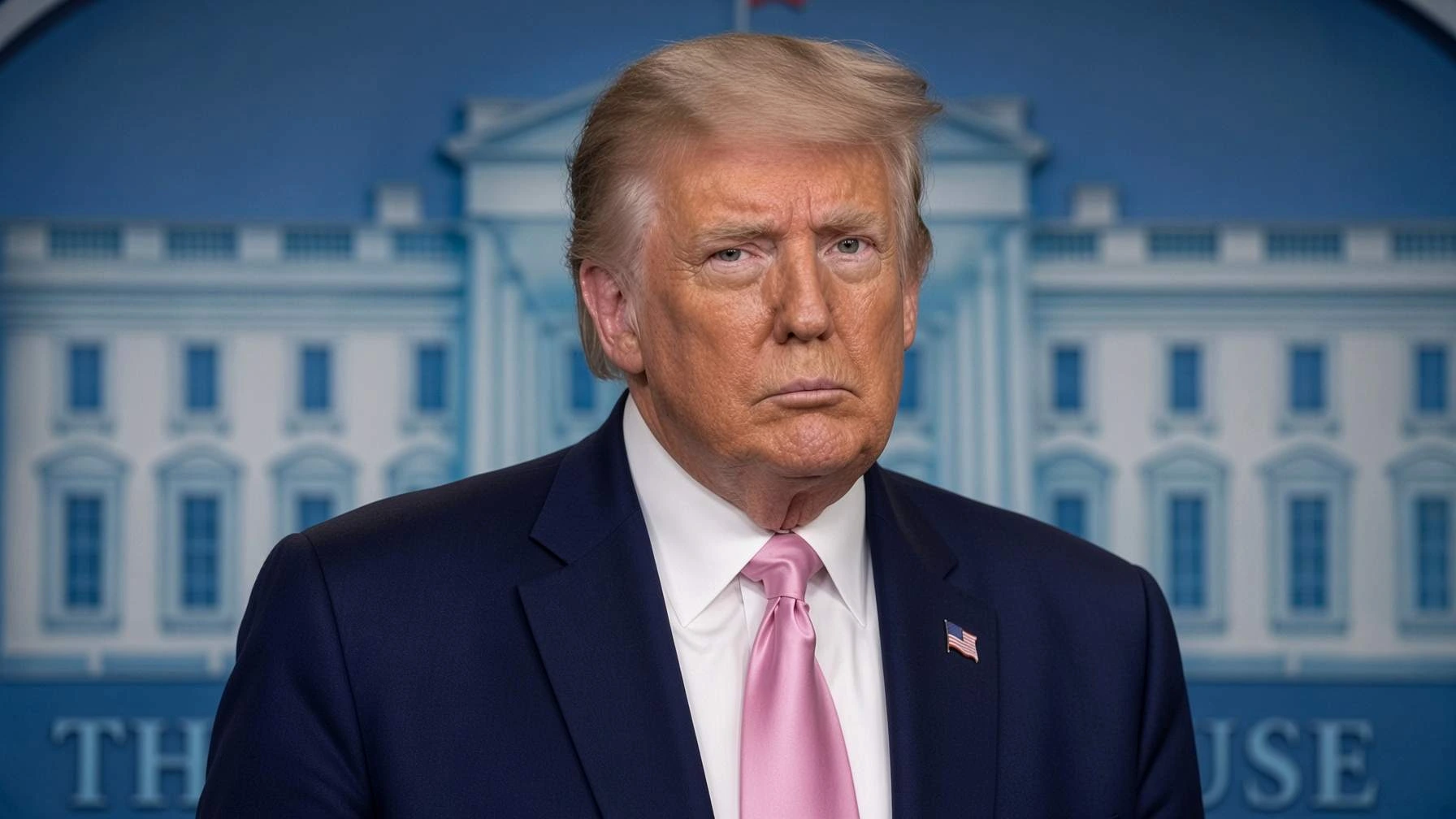
Civil rights organizations and community advocates expressed concern about the long-term implications. They raised questions about federal oversight mechanisms, accountability structures, and whether heightened enforcement could disproportionately affect immigrant communities and communities of color. Some residents reported uncertainty about which agencies led specific operations and how federal efforts coordinated with local police leadership.
The debate has also touched on Washington’s unique governance structure. Unlike most American cities, the capital operates under significant congressional authority despite having an elected local government. This constitutional arrangement has historically complicated questions about which level of government should direct law enforcement priorities.
What This Means
The expansion underscores ongoing national tensions around federalism and public safety policy. Cities across the country have grappled with similar questions about the appropriate role of federal agencies in local law enforcement, particularly when crime rates remain elevated despite local efforts.
As federal operations continue, officials, residents, and advocacy groups are monitoring their effects on both crime metrics and community relations. The discussion encompasses effectiveness measures, civil liberties protections, and how federal and local authorities should coordinate during sustained enforcement operations. Legal observers note that outcomes in Washington may influence how policymakers approach federal-local cooperation on public safety in other jurisdictions.



