The House passed comprehensive legislation on Veterans Day aimed at increasing compensation for thousands of combat-injured military retirees who medically separated before 20 years of service, but procedural questions and funding disputes threaten the bill’s path forward in the Senate.
The vote came after a contentious debate over how to finance the expansion. The measure would allow eligible veterans to receive both military retirement benefits and Veterans Affairs disability payments without the current reduction that forces many to choose between them.
Congressional estimates indicate the legislation would affect approximately 58,000 veterans. The Congressional Budget Office projects affected veterans would receive an average monthly increase of roughly $1,450, a sum that could meaningfully address housing costs, medical bills, and financial instability faced by military families.
What Happened
Republican lawmakers framed the proposal as rectifying a longstanding inequity. Veterans injured in service have been required under current regulations to forfeit a portion of their retirement pay if they received VA disability benefits, a practice Republicans characterized as fundamentally unfair to those who sacrificed for the nation.
To offset costs, Republicans proposed modifying future disability ratings for sleep apnea and tinnitus, conditions that have expanded dramatically in recent years. The proposal explicitly protects current claimants receiving benefits for those conditions, ensuring no immediate reductions for existing beneficiaries.
The debate over financing became the central point of contention. Democrats argued that providing benefits to one group should not come at the expense of another, particularly when future veterans might face stricter eligibility standards and reduced award amounts.
The vote itself became procedurally unusual. Republican Representative Addison McDowell of North Carolina, managing the proceedings, requested a voice vote rather than a recorded vote. Before McDowell announced passage, no member succeeded in calling for a recorded tally.
The Reaction
Mike Bost, chairman of the House Veterans Affairs Committee, defended the procedural outcome. “It’s passed if no one calls for the vote, which is a good thing,” House Majority Leader Steve Scalise said afterward, emphasizing that lawmakers opposed to the measure could have requested a recorded vote to create accountability.
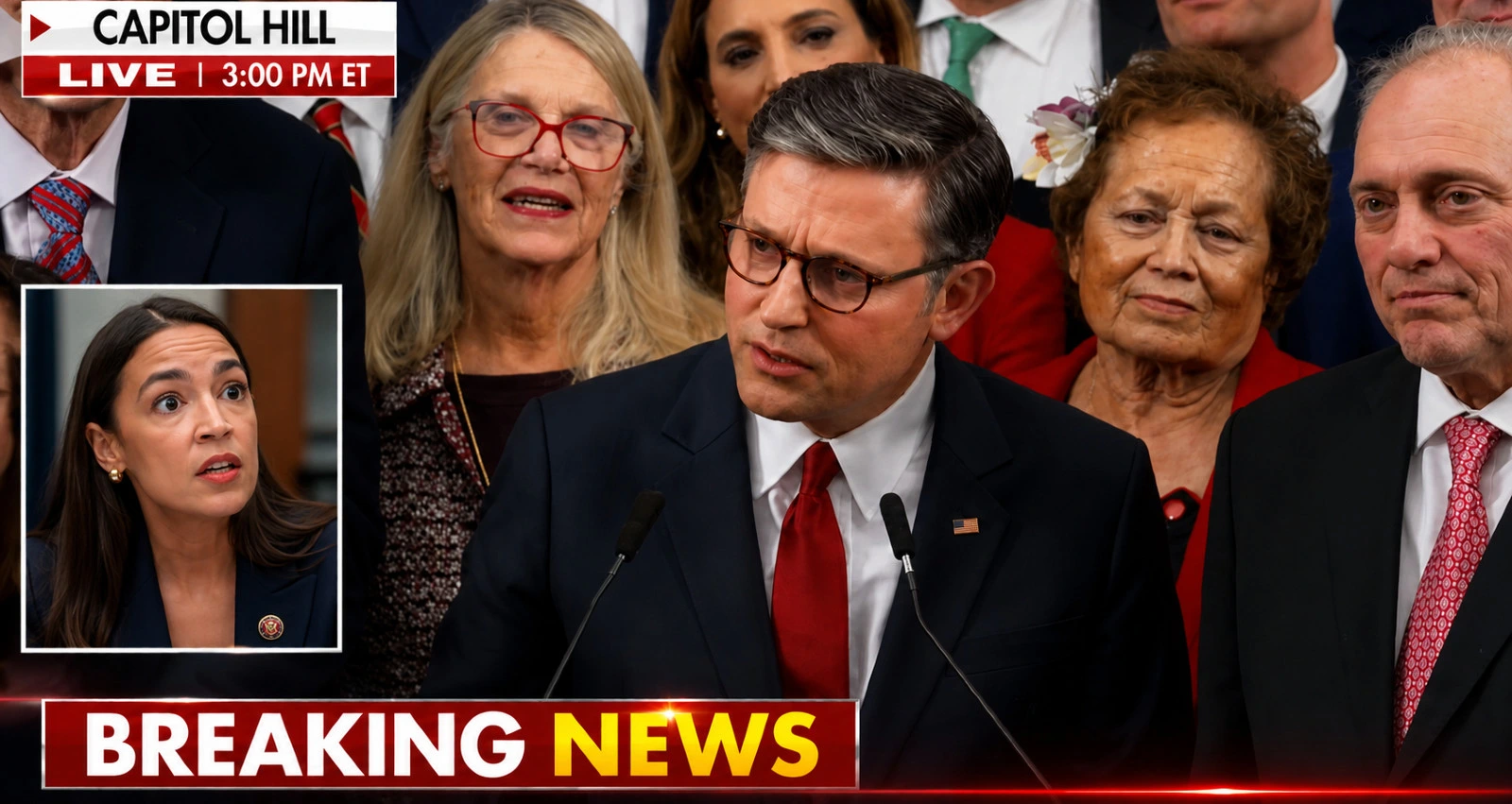
Mark Takano, a House Democrat, contested the process, arguing his colleagues lacked a genuine opportunity to call for recorded voting before passage was announced. He predicted the Senate would scrutinize the bill’s financing provisions more carefully and potentially reject it.
The Veterans of Foreign Wars raised concerns about accountability. National Commander Cory Geisler contended that legislators should face public accountability through recorded votes on measures directly affecting veterans’ benefits, particularly when contentious offsets are involved.
Republican defenders countered that the procedural mechanism was standard and that opposition Democrats bore responsibility for not demanding a recorded vote if they wished to register opposition formally. They emphasized that legislative action, rather than further study, was necessary to address a gap acknowledged across party lines.
What This Means
The legislation’s path in the Senate remains uncertain. Democrats are advancing an alternative proposal that would increase benefits without equivalent spending offsets, using a discharge petition to advance it toward a potential vote. The competing approaches reflect genuine disagreement over federal budgeting discipline, not merely partisan posturing.
Current compensation regulations remain unchanged until legislation passes both chambers and receives presidential approval. The House vote alone does not grant any new statutory authority to implement changes.
The challenge ahead involves reconciling two legitimate concerns: honoring the sacrifice of combat-injured veterans through improved compensation and ensuring that benefit expansions are financially sound and do not shift undue burden onto future disabled veterans. The Senate must ultimately determine whether the House proposal’s financing mechanism is acceptable or whether alternative offsets or approaches warrant consideration.
The debate underscores that bipartisan support for expanded veteran compensation does not eliminate substantive disagreements about implementation and long-term fiscal responsibility. How lawmakers balance those competing priorities will shape both this legislation and broader questions about federal spending constraints.



