A federal judge in Virginia has temporarily blocked the Trump administration from proceeding with an $1.8 billion compensation fund designed to pay individuals the administration believes were wrongfully targeted by federal agencies.
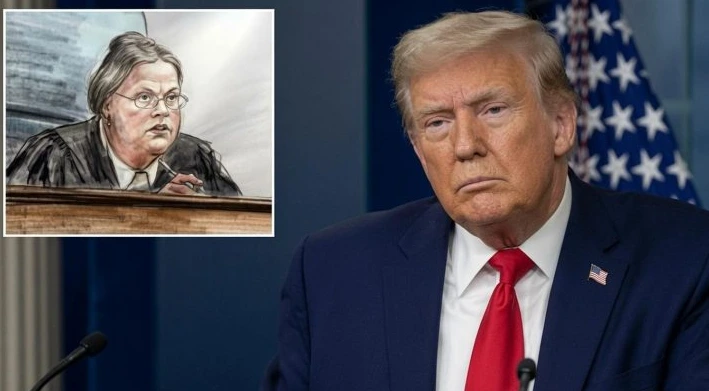
District Judge Leonie Brinkema issued the halt on Wednesday, preventing the administration from taking any action related to the creation, operation, or distribution of what officials are calling the Anti-Weaponization Fund. The judge scheduled a hearing for June 12 to consider whether the temporary block should become a longer-lasting stay while legal challenges proceed.
What Happened
The Trump administration announced the compensation fund Monday as part of a broader settlement tied to the President dropping a $10 billion lawsuit against the Internal Revenue Service. That lawsuit centered on the 2019 and 2020 leak of Trump’s tax returns by a contractor.
Brinkema’s order explicitly bars the administration from transferring money to the fund, reviewing claims, or distributing any payments. The ruling came in response to a legal challenge filed by a coalition of entities and individuals who argue they would be ineligible to receive compensation and that the fund raises constitutional concerns.
A central dispute surrounds whether Congress formally appropriated the $1.8 billion. Critics have pointed out that the fund was created through a settlement agreement without explicit Congressional authorization for the full amount. Additionally, attorneys representing January 6 Capitol riot defendants have indicated they may seek compensation on behalf of their clients through the program.
The Reaction
The House Rules Committee last week debated an amendment that would have blocked January 6 defendants from receiving any money through the fund. Rep. Jim McGovern, D-Massachusetts, introduced the measure, saying “this secret slush fund should be an outrage to every American, no matter your politics.” He called the fund part of a “corrupt settlement agreement” and urged the committee to prevent violent criminals from profiting.
The GOP majority rejected McGovern’s amendment, preventing it from advancing for a full House floor vote. McGovern later expressed frustration on social media, writing that Republicans had blocked debate on whether to stop Trump’s fund from “bailing out the convicted felons who assaulted cops on January 6th.”
What This Means
The judge’s temporary halt has effectively paused the fund’s operations while courts examine its legal foundation. The June 12 hearing will give both sides an opportunity to argue whether the temporary block should remain in place throughout the litigation process.
The outcome carries implications for how the administration can use settlement funds and whether Congress’s appropriations power extends to compensation programs created through executive agreement. Legal experts are watching whether Brinkema’s order signals skepticism about the fund’s constitutionality or merely reflects the standard grounds for temporary injunctions in contested cases.



