The U.S. Supreme Court on Tuesday ruled 6-3 that private plaintiffs cannot use the Alien Tort Statute or Torture Victim Protection Act to sue for aiding and abetting alleged violations of international law, significantly narrowing a legal avenue used to pursue American companies abroad.
The decision in Cisco Systems, Inc. v. Doe closes what the majority described as a door opened by earlier precedent that allowed courts to recognize new causes of action based on international norms. Justice Amy Coney Barrett, writing for the majority, said the ruling reflects constitutional limits on judicial power in foreign affairs.
What Happened
The case centered on claims by unnamed Falun Gong practitioners who alleged that Cisco Systems and its executives aided Chinese government persecution by selling networking equipment used in surveillance operations. The Ninth Circuit Court of Appeals had previously allowed the claims to move forward, interpreting both the Alien Tort Statute and the Torture Victim Protection Act broadly enough to encompass aiding-and-abetting liability.
The Supreme Court reversed that decision. “Today, we close the door that Sosa cracked and hold that courts may not create new causes of action for violations of international norms,” Barrett wrote. The majority also held that the Torture Victim Protection Act, while containing an express cause of action for torture itself, does not provide for liability based on aiding and abetting.
The six-justice majority consisted of Chief Justice John Roberts and Justices Clarence Thomas, Samuel Alito, Neil Gorsuch, Brett Kavanaugh, and Barrett. The Trump administration actively supported Cisco’s position, with the Solicitor General participating in oral arguments to urge the Court to reject what the administration characterized as judicial overreach.
The Reaction
The three-justice dissent split into separate positions. Justice Ketanji Brown Jackson agreed that the Alien Tort Statute should be narrowed but argued the Torture Victim Protection Act’s text could encompass aiding and abetting in certain circumstances, joining Justice Elena Kagan in that portion of her dissent.
Justice Sonia Sotomayor offered a broader objection, joined by Kagan and Jackson in key sections. “Because the plain text of this statute includes individuals who aid and abet the victim’s torture, I would affirm the Ninth Circuit’s judgment on this score as well,” Sotomayor wrote. She also warned that the majority “jettisons two decades of settled precedent” and “shuts the courthouse doors to almost any claimed violation of international law under the Alien Tort Statute.”
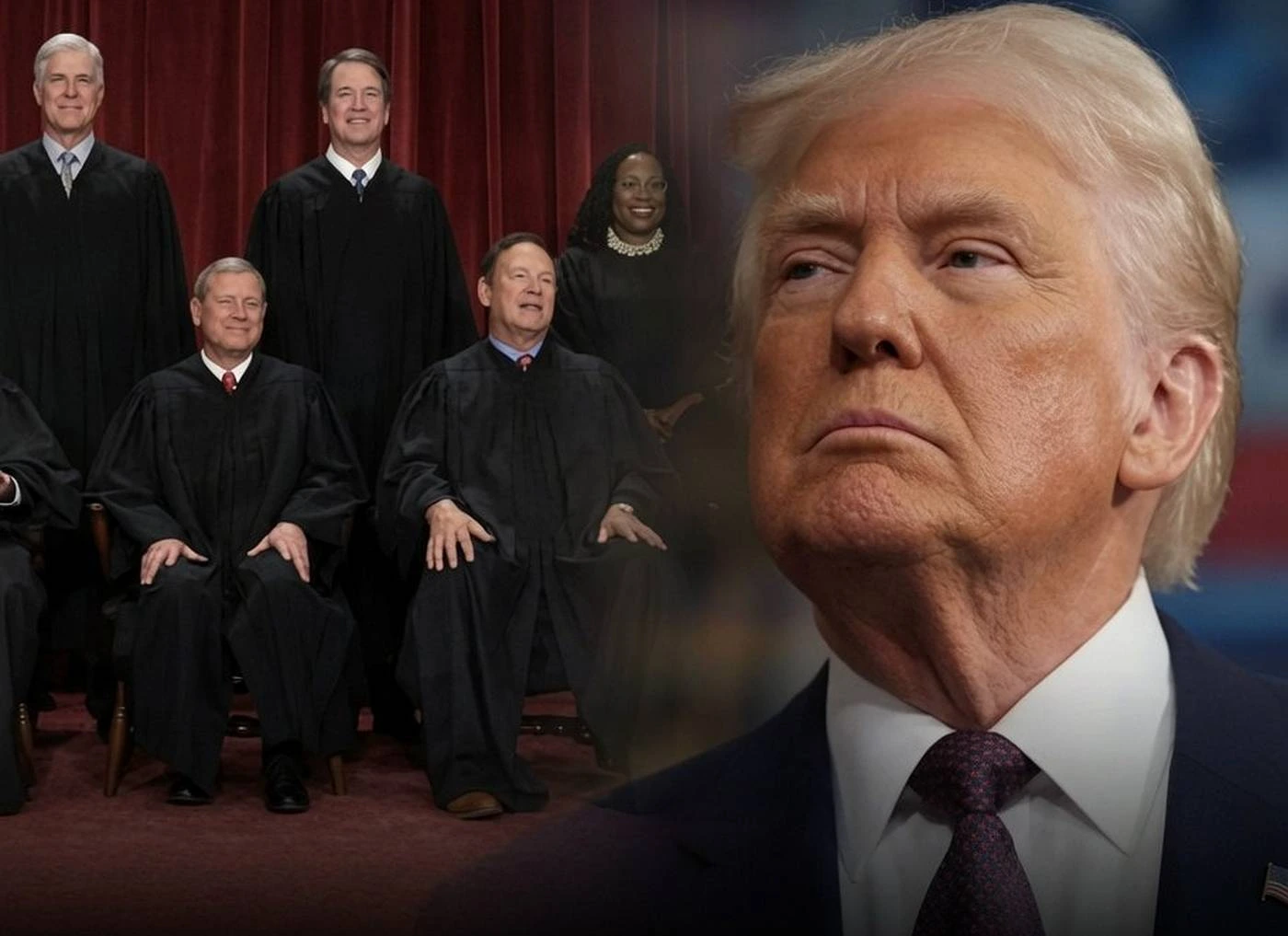
The majority emphasized separation of powers throughout its reasoning. Barrett noted that “the power to create causes of action belongs to Congress” and cautioned that creating new liability risks “adverse foreign policy consequences” best avoided by judicial restraint.
What This Means
The decision substantially limits the legal exposure of American companies operating internationally. Plaintiffs alleging that U.S. firms facilitated human rights abuses abroad will find fewer tools available in federal court, as judges can no longer develop novel causes of action based on evolving international norms.
Companies including technology firms, manufacturers, and financial services providers will face reduced litigation risk from foreign-based claimants seeking to leverage U.S. courts for disputes rooted in overseas conduct. The ruling preserves what the majority saw as proper constitutional roles: Congress and the executive branch address foreign policy concerns and create remedies when necessary, while courts apply existing law.
Advocates for corporate accountability warned the decision would make it harder to hold multinational companies responsible for supporting authoritarian governments. Legal experts who opposed the outcome argued the ruling contradicts decades of precedent and leaves fewer options for victims of abuse in countries without functioning justice systems.
The long-term impact may extend beyond the specific statutes addressed. Courts nationwide will likely reference this decision when evaluating other potential causes of action based on international norms, potentially narrowing other avenues for litigation tied to foreign affairs and human rights claims.



