A federal judge in Manhattan dismissed a preemptive lawsuit filed by journalist Michael Wolff against Melania Trump on Tuesday, rejecting his attempt to block the First Lady from pursuing a $1 billion defamation claim against him over statements he made regarding her alleged connection to Jeffrey Epstein.
U.S. District Judge Mary Kay Vyskocil ruled that Wolff’s effort to litigate the dispute in federal court amounted to “tactical gamesmanship” and instructed the case be returned to state court, where Trump’s legal team intends to pursue her defamation action. The decision removes a procedural hurdle that had temporarily shielded Wolff from facing Trump’s full-scale lawsuit.
What Happened
The dispute originated last year when Trump’s attorney sent Wolff a cease-and-desist letter demanding he delete statements linking the First Lady to Epstein and threatening legal action if he refused. Wolff responded in October by filing suit in New York state court, seeking a declaration that his statements were either true, constituted opinion, or were protected speech. Trump’s legal team then moved the case to federal court, arguing there was diversity jurisdiction and other federal questions at stake.
Judge Vyskocil, an appointee of President Donald Trump, acknowledged that federal courts did have technical jurisdiction over the matter. However, she concluded that exercising that jurisdiction would be inappropriate. “It’s an inappropriate level of tactical gamesmanship,” Vyskocil said from the bench, adding she would not be “drafted to oversee an abusively presented spat,” according to court documents.
Vyskocil’s decision sends the case back to state court in Manhattan, where Trump’s defamation claim can proceed without the jurisdictional complications Wolff’s counterclaim had introduced. The judge noted that while both parties have legitimate disputes, the federal forum was not the proper venue to resolve them.
The Reaction
A spokesperson for the First Lady said that Melania Trump “is proud to continue standing up to, and fighting against, those who spread malicious and defamatory falsehoods as they desperately try to get undeserved attention and money from their unlawful conduct.” Trump’s legal filings argue that Wolff’s statements caused her significant “reputational and financial harm.”
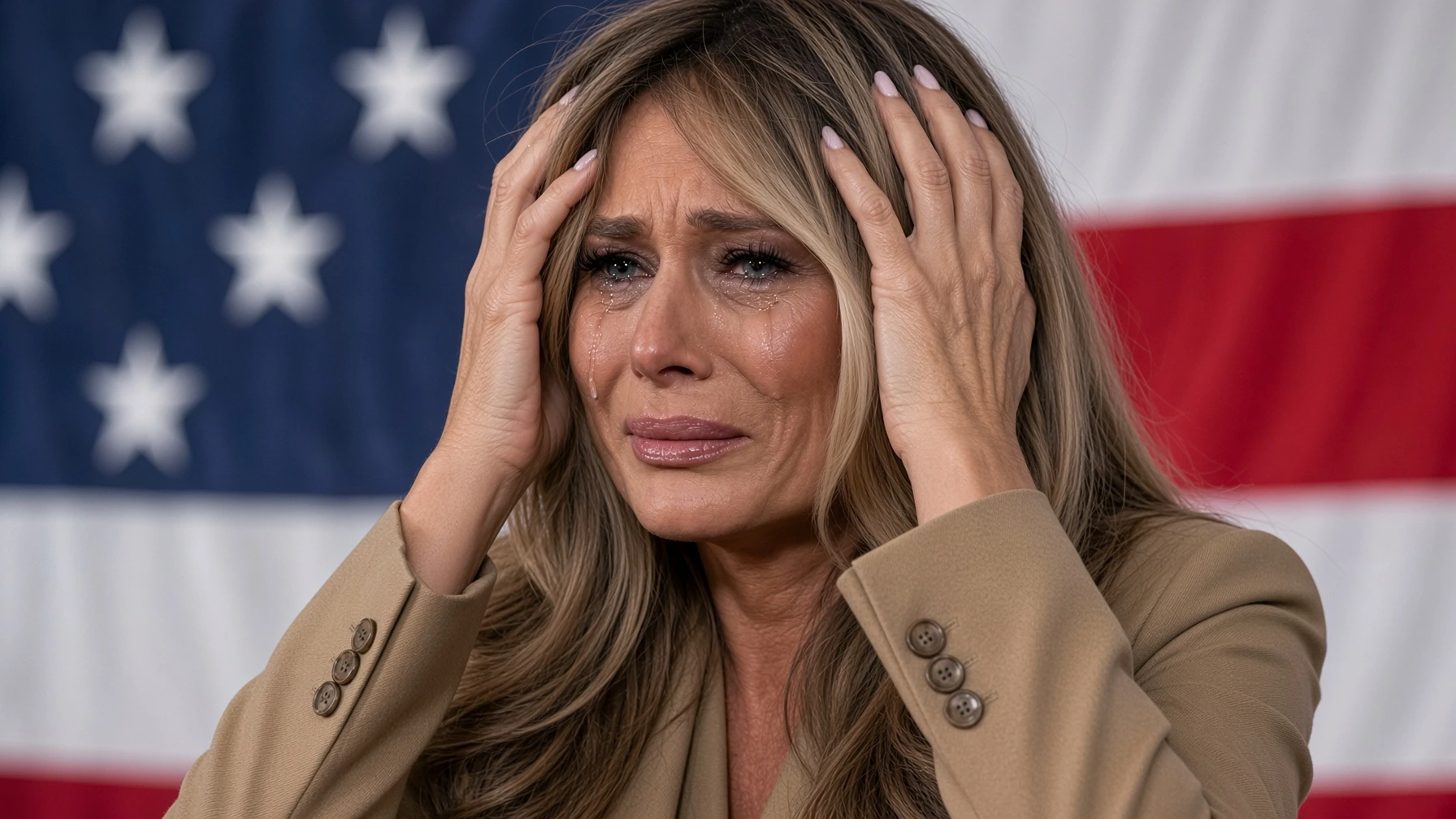
The First Lady has consistently denied any connection to Epstein, the financier who died in custody in 2019 while awaiting trial on federal charges related to sex trafficking. In an April press conference, Trump said, “The lies linking me with the disgraceful Jeffrey Epstein need to end today. The individuals lying about me are devoid of ethical standards, humility, and respect.”
Wolff’s legal filings paint a different picture, arguing that Trump and her husband “have made a practice of threatening those who speak against them” with costly litigation. Wolff claims some of his statements were taken out of context, noting that his assertion about the Trump marriage being a “sham” or “trophy marriage” constituted fair opinion rather than factual assertion. His lawyers also argue that he never accused the First Lady of criminal involvement related to Epstein.
The Daily Beast retracted an article last summer based on an interview with Wolff after receiving correspondence from Trump’s attorney. In that interview, Wolff had stated that the First Lady was “behind the scenes” addressing the situation at the White House, but was not involved in any criminal conduct.
What This Means
The dismissal removes a significant procedural obstacle for Trump’s legal team. With the case now heading back to state court, discovery can proceed, depositions can be scheduled, and the First Lady’s $1 billion claim will move toward resolution on the merits rather than through preliminary jurisdictional battles.
The ruling reflects a judicial assessment that Wolff’s preemptive filing strategy was designed to create leverage rather than to resolve a genuine dispute about federal law. By declining to exercise federal jurisdiction, Vyskocil effectively sided with Trump’s position that state court was the appropriate forum for a defamation dispute between a private citizen and a public figure.
Congressional attention on the matter has been limited, though some lawmakers have called for investigations into related concerns. The case now proceeds on a path that could result in either a settlement, summary judgment, or a trial on the merits of Trump’s defamation allegations against Wolff.