A Collin County judge sentenced Karmelo Anthony to death on Wednesday for the killing of 16-year-old football player Austin Metcalf, concluding a case that has divided the North Texas community over questions of justice and accountability in the wake of a teenager’s death.
The verdict concluded a trial that drew sustained attention from the school district and broader Collin County, where Metcalf was known as a standout athlete with what coaches and teachers described as genuine promise. His death altered the trajectory of multiple families and forced the community to confront questions about violence, punishment, and whether capital punishment offers resolution or prolongs the wound.
What Happened
Austin Metcalf, a high school football player whose athletic achievement had earned recognition in the region, died following an incident involving Karmelo Anthony. The specifics of the case moved through Collin County’s court system over the course of months, with prosecutors arguing for the harshest penalty available under Texas law.
Anthony remained largely silent throughout proceedings, according to courtroom observers. When the death sentence was pronounced, reactions in the gallery ranged from quiet acknowledgment to visible distress among family members present. The sentence marks one of the more severe outcomes in recent Collin County capital cases.
The Reaction
The verdict has produced a complex response across the community. Metcalf’s classmates and teammates have described the empty seat in locker rooms and classrooms as a permanent reminder of the loss. Teachers who knew him spoke of potential cut short and opportunities that will never materialize.
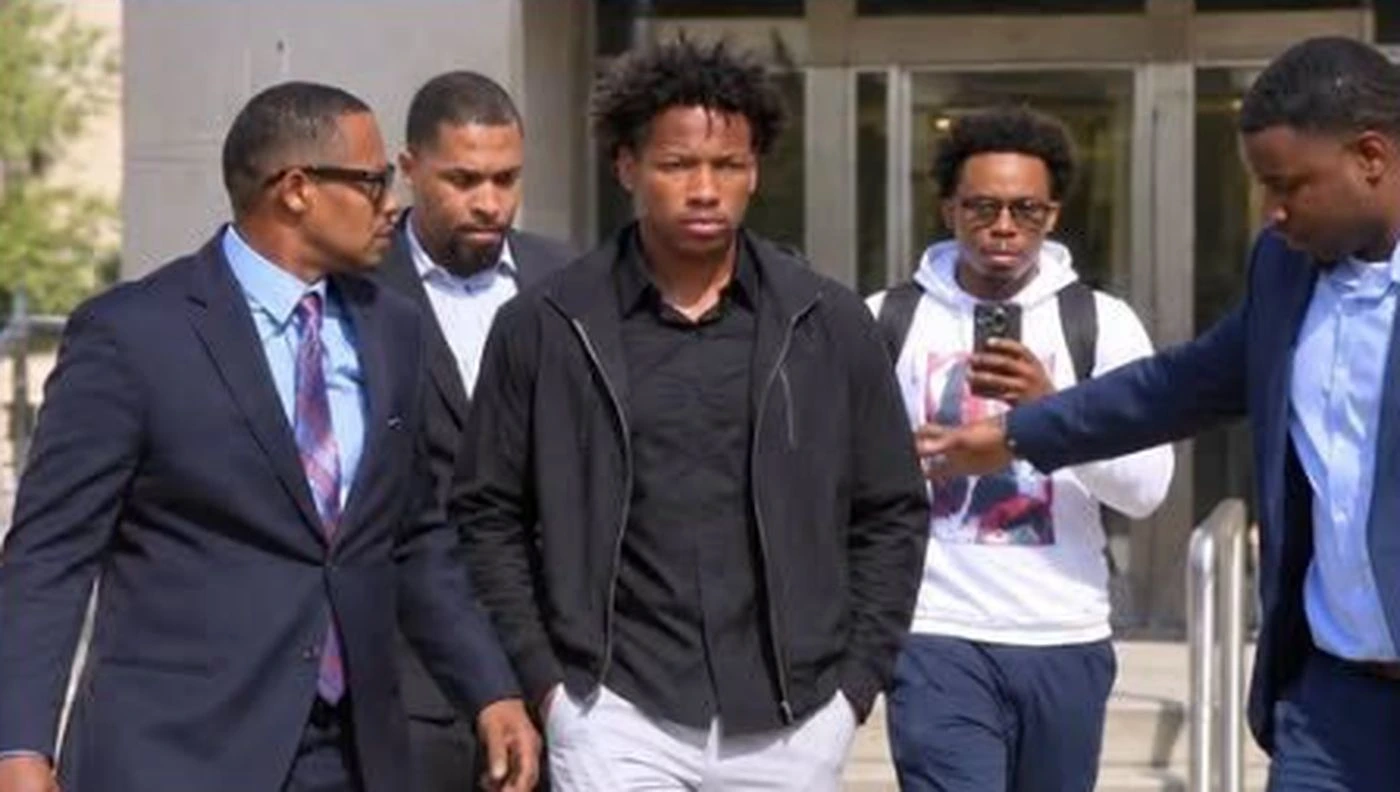
For some, the death sentence provided a measure of finality. Others expressed concern about whether the outcome genuinely serves the interests of justice or simply extends the cycle of loss by claiming another young life to the state. Legal experts have noted that death penalty cases in Texas often face prolonged appeals processes, meaning the community may remain engaged with the case for years.
Anthony’s legal team has already indicated plans to pursue appeals, a standard step in capital cases. The appeals process could take years and may generate additional courtroom appearances that keep the case in public consciousness.
What This Means
The sentence highlights ongoing tensions in how the U.S. criminal justice system addresses violent crimes involving young people. Texas has carried out more executions than any other state, yet questions persist about whether capital punishment deters violence or merely reflects society’s most severe form of punishment for those deemed beyond redemption.
For the Metcalf family and Collin County as a whole, the verdict closes one phase of a process that many acknowledge will never bring full closure. Questions about how two young lives became intertwined in tragedy—and whether the court system’s response serves healing or perpetuates harm—will likely persist as the case moves toward the appellate stage.