Justice Clarence Thomas on Monday criticized the Supreme Court for declining to hear Florida’s lawsuit challenging California and Washington’s issuance of commercial driver’s licenses to undocumented immigrants, arguing the court had a constitutional obligation to resolve disputes between states.
Thomas, joined by Justice Samuel Alito, contended that the high court’s refusal to hear the case represented a failure to exercise its exclusive jurisdiction over interstate controversies. The majority decision came without explanation and without hearing oral arguments on Florida’s claims.
The underlying dispute has drawn national attention following a deadly 2025 crash on the Florida Turnpike allegedly involving a truck driver who obtained a commercial license through California or Washington despite lacking legal immigration status and insufficient English proficiency. According to Florida’s complaint, the driver made an illegal U-turn and could not properly interpret roadway signage, resulting in a collision that killed three people.
What Happened
Florida sued California and Washington, arguing the two states were undermining public safety by issuing commercial driver’s licenses to individuals without legal immigration status, violating federal standards meant to govern interstate transportation safety. The state contended that federal law and regulations prohibit states from providing commercial driver’s licenses to applicants unless they pass a driver’s test, demonstrate sufficient English language proficiency, and show appropriate immigration status.
The Supreme Court declined to take the case, prompting Thomas to issue a sharp dissent addressing the court’s discretionary approach to its original jurisdiction. “If this Court does not exercise jurisdiction over a controversy between two States, then the complaining State has no judicial forum in which to seek relief,” Thomas wrote.
Thomas emphasized the severity of the underlying safety concerns, pointing specifically to the fatal highway crash and the driver’s inability to read English road signs. “An illegal alien who cannot read English road signs cannot drive an 80,000-pound tractor-trailer,” he wrote in his dissent.
The Reaction
Thomas distinguished between the court’s broad discretion in hearing ordinary appeals and its obligation regarding disputes between states. He argued the Constitution grants the Supreme Court exclusive jurisdiction over such controversies, meaning Florida had no alternative legal forum to challenge another state’s policies. “We have no more right to decline the exercise of jurisdiction which is given, than to usurp that which is not given,” Thomas wrote.
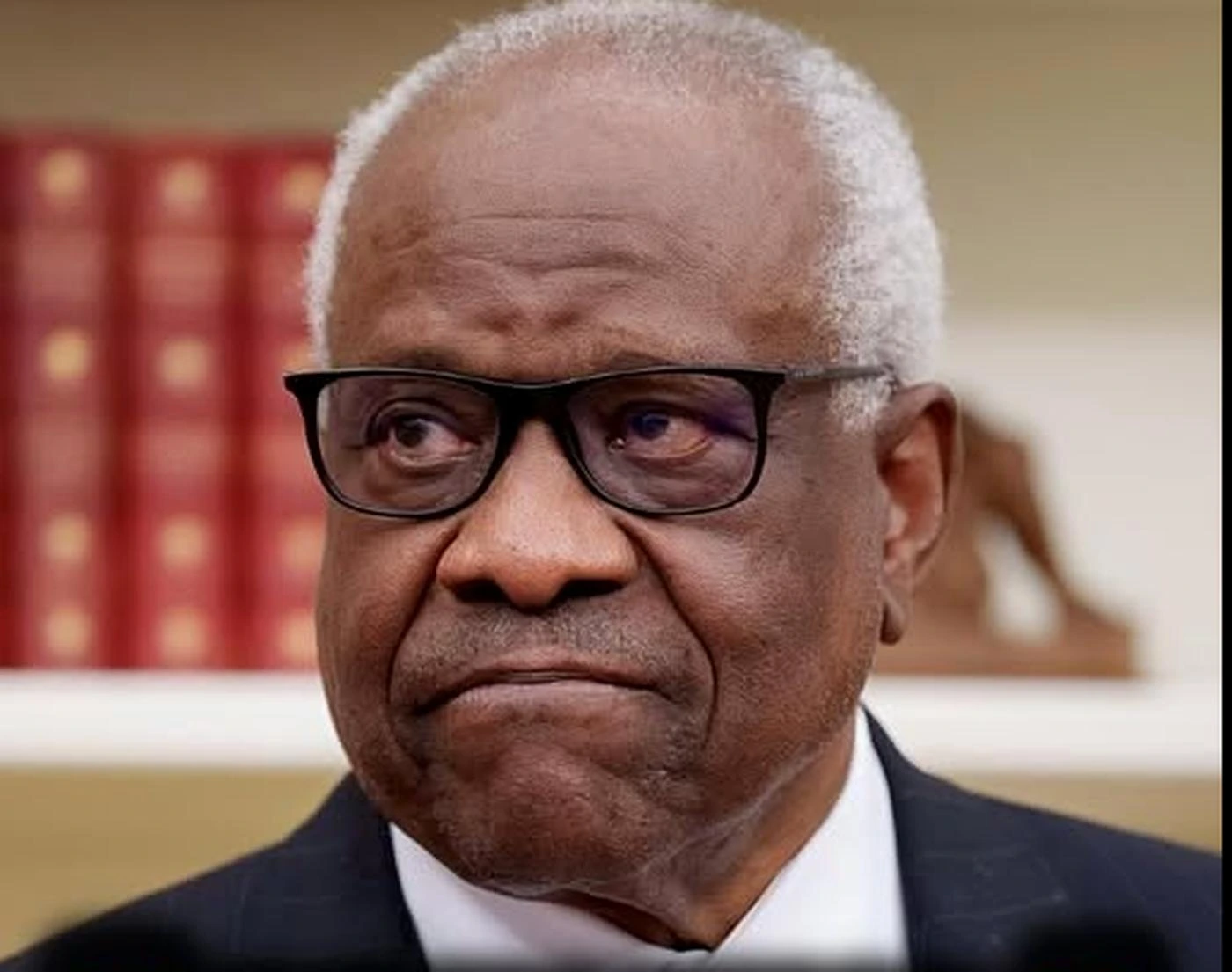
The justice further contended that the court had “adopted a discretionary approach to its exclusive original jurisdiction based on policy judgments that are in conflict with the policy choices that Congress made in the statutory text.” He suggested that if Florida, California, and Washington were separate nations, a dispute involving one government allowing unsafe drivers into another jurisdiction would likely trigger diplomatic conflict and resolution through international courts or treaties.
“By entering the Union, States agree to instead have such disputes resolved by this Court,” Thomas wrote, framing the case as a matter of constitutional obligation rather than policy preference.
What This Means
The case reflects intensifying national debate over immigration enforcement, state licensing authority, and the consequences of differing state policies on public safety. Scrutiny of commercial driver’s licenses for non-citizens accelerated following several deadly crashes involving undocumented immigrant truck drivers, prompting federal intervention.
Last September, Transportation Secretary Sean Duffy announced stricter federal requirements for non-citizens seeking commercial driver’s licenses as part of a broader effort to tighten transportation and immigration enforcement standards. Duffy also warned that California could face loss of federal transportation funding if it continued allowing commercial licenses for individuals deemed ineligible under revised federal guidelines.
Thomas’s dissent indicates that at least two justices believe the Supreme Court should hear challenges to state licensing policies when they potentially affect public safety across state lines, even as the full court’s decision to decline the case suggests deeper disagreement over the appropriate scope of the court’s original jurisdiction in such disputes.



