Mark Wolf, a federal judge appointed by Ronald Reagan in 1985, resigned from the U.S. District Court for Massachusetts to speak openly against President Donald Trump, whom he accuses of using law enforcement for partisan gain.
Wolf announced his departure in an essay published in The Atlantic, describing a decision he never expected to make after accepting his lifetime appointment decades earlier. The former judge said he could no longer accept the ethical constraints imposed on judges by the judicial conduct code, which limit their public statements and political activities outside the courtroom.
“I no longer can bear to be restrained by what judges can say publicly or do outside the courtroom. President Donald Trump is using the law for partisan purposes, targeting his adversaries while sparing his friends and donors from investigation, prosecution, and possible punishment,” Wolf wrote in the essay.
What Happened
Wolf’s career in public service began at the Department of Justice in 1974, shortly after the Watergate scandal that led to Richard Nixon’s resignation. He served under Attorney General Edward Levi during the Ford administration, an experience he credited with shaping his commitment to nonpartisan justice. After his appointment by Reagan, Wolf spent four decades on the Massachusetts bench before assuming senior status in 2013, which allowed his seat to be filled by another judge.
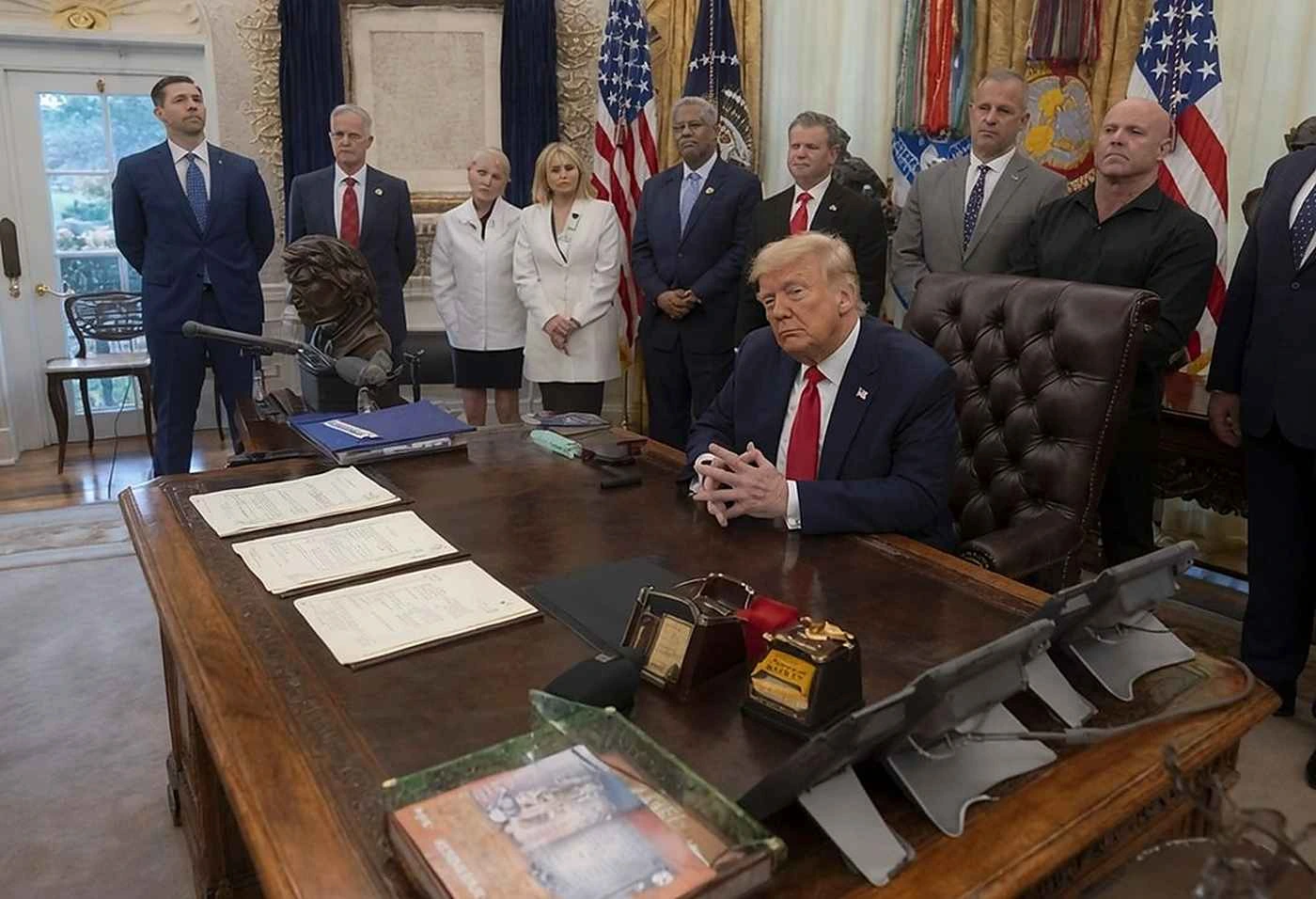
In an interview with The New York Times, Wolf said he hoped his departure would encourage other judges facing similar dilemmas. “I hope to be a spokesperson for embattled judges who, consistent with the code of conduct, feel they cannot speak candidly to the American people,” he said. Wolf’s successor, Judge Indira Talwani, an Obama appointee, formally filled the seat in 2014.
The Reaction
The White House responded to Wolf’s criticism through spokeswoman Abigail Jackson, who disputed his characterization of the administration’s legal record. “With over 20 Supreme Court victories, the Trump Administration’s policies have been consistently upheld by the Supreme Court as lawful despite an unprecedented number of legal challenges and unlawful lower court rulings,” Jackson said in a statement. She added that judges who resign to voice political positions should do so openly rather than complaining through media channels.
“Any other radical judges that want to complain to the press should at least have the decency to resign before doing so,” Jackson stated, implying Wolf’s move was an appropriate step for a judge who wished to engage in political speech.
What This Means
Wolf’s resignation reflects broader tensions over judicial independence and the politicization of law enforcement. His departure underscores the constraints placed on sitting judges who wish to participate in public debate about governance and constitutional issues. The timing of his announcement, coming amid discussions of upcoming elections, highlights how questions about the judiciary’s role in American democracy continue to shape national discourse. Wolf’s decision to step down rather than remain silent suggests that some members of the judicial establishment view current policies as sufficiently concerning to sacrifice their lifetime positions and the institutional constraints that accompany them.



