A federal judge ordered Tuesday that selected materials from the October search of Rep. Ilhan Omar’s Washington residence be released to the public, giving Americans their first detailed look at records surrounding the investigation while keeping the affidavit supporting the warrant sealed.
Judge James Boasberg’s decision came after media organizations and conservative watchdog Judicial Watch argued that the search of a sitting congresswoman created substantial public interest requiring transparency. The ruling allows some warrant documents to become public, though prosecutors have until Friday to identify information they believe should be redacted before the materials are released Monday.
What Happened
Boasberg ruled that parts of the warrant can be released despite objections from Justice Department prosecutors. The decision marks a compromise: portions of the warrant materials will become available, but the 67-page affidavit submitted to support the search will remain sealed. That affidavit contains the “vast majority” of information about the government’s case, according to the judge’s reasoning.
The distinction matters significantly. An affidavit typically explains the factual basis investigators present when requesting permission to search, so its continued sealing means readers may learn about the search’s scope while seeing considerably less about its underlying justification. The court is expected to release an inventory identifying items seized during the October search, which could help establish what investigators collected even without revealing their full theory of the case.
Sean O’Donnell, a senior attorney with Judicial Watch, argued that keeping basic warrant materials secret was unnecessary. “There’s no reason this should be withheld from the public,” he said, anticipating that the released materials would provide meaningful transparency into the investigation.
The Reaction
The ruling produces an unusual alignment between conservative transparency advocates and a judge frequently criticized by Trump’s supporters. Boasberg has previously drawn controversy for other high-profile decisions, including approval of subpoenas for Republican lawmakers’ telephone records connected to federal investigations into efforts to overturn the 2020 presidential election, with associated nondisclosure orders preventing telephone companies from notifying lawmakers about the demands.
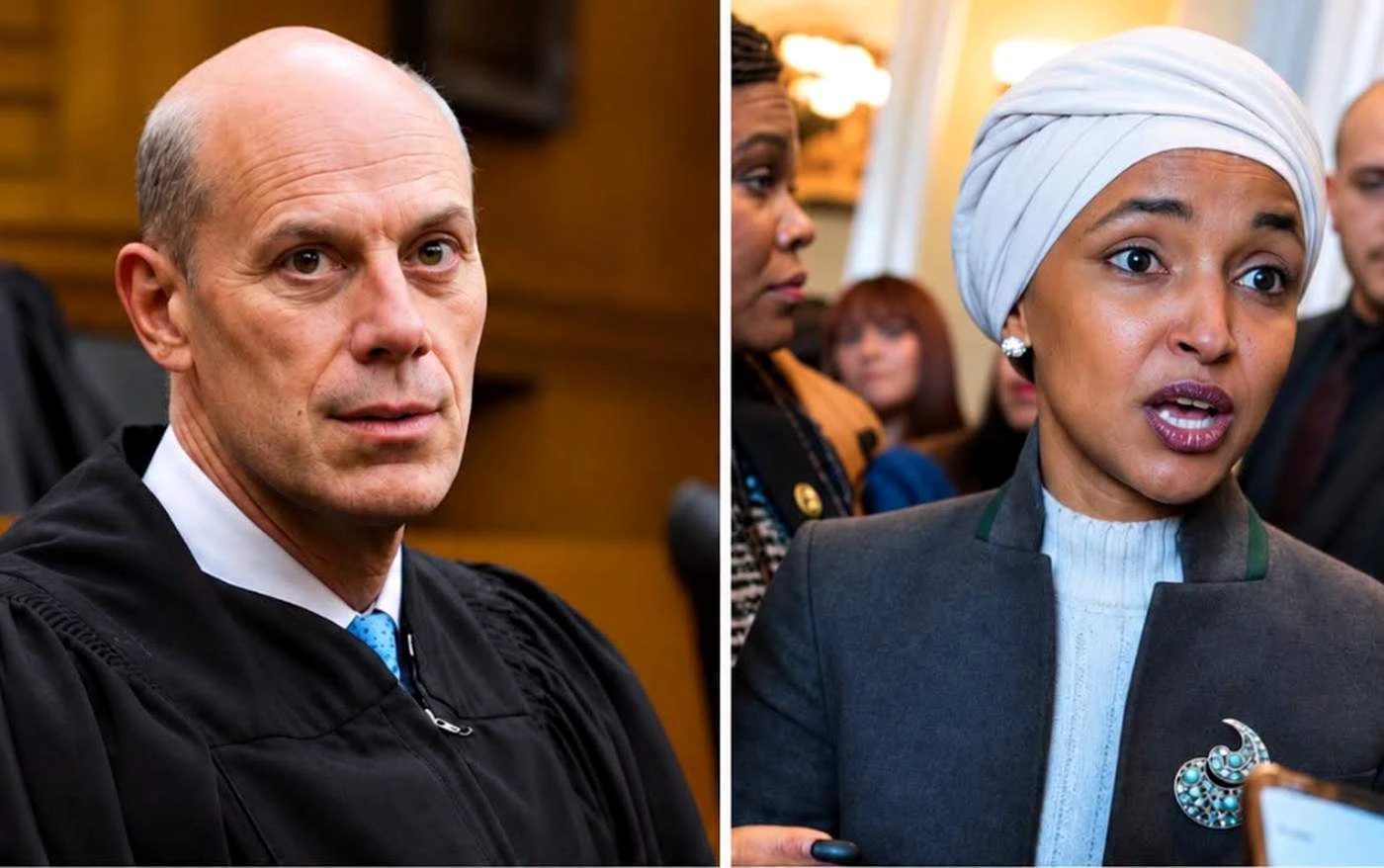
Rep. Brandon Gill, a Texas Republican, filed impeachment articles against Boasberg over those subpoenas and related secrecy orders, reflecting broader partisan tensions surrounding the judge’s rulings. Despite this history, Boasberg’s decision to allow partial disclosure of the Omar warrant materials found support from transparency advocates across different sectors.
The Justice Department had opposed disclosure, citing concerns about compromising their investigation. Boasberg’s approach allows partial disclosure while preserving sensitive investigative information and giving prosecutors an opportunity to propose specific redactions to protect ongoing work.
What This Means
The ruling cannot establish in advance what any seized documents show or whether prosecutors will ultimately bring charges. It is narrower in scope: prosecutors must prepare some search records for public inspection by Friday, with the anticipated Monday release of portions of the warrant materials to follow.
Previous reporting has raised questions about Omar’s marriage history, immigration records, and identifying information, issues that have attracted extensive political attention among Republicans demanding closer examination of the Minnesota Democrat. The court identified her in filings as “Congresswoman Ilhan Nur Said Elmi, a/k/a Ilhan Abdullahi Omar,” according to documents cited in the case.
Citizenship questions carry particular political weight because the Constitution establishes specific eligibility requirements for service in the House, requiring representatives to have been United States citizens for seven years before taking office. The warrant release may clarify which records investigators sought and how broadly the court authorized their search, but it addresses the immediate question of disclosure rather than the substance of any investigation.
As Friday’s redaction deadline approaches, the focus remains on how much information survives the government’s proposed redactions. The eventual release will show how much transparency the court believes serves the public interest in a case involving a sitting member of Congress.



