Jay Rockefeller, a five-term Democratic U.S. Senator from West Virginia who spent nearly 50 years in public service after breaking from his family’s Republican tradition, died Friday at his Charleston home at age 89.
Rockefeller represented West Virginia in the Senate from 1985 until his retirement in January 2015, making him one of the longest-serving senators in the state’s history. His family announced his death Friday evening, saying he passed peacefully after a career that fundamentally reshaped West Virginia politics and left an imprint on federal healthcare policy.
What Happened
Born John Davison Rockefeller IV in 1937, Rockefeller descended from one of America’s most storied industrial families—the great-grandson of Standard Oil founder John D. Rockefeller. His uncle, Nelson Rockefeller, served as Republican governor of New York and later as vice president under Gerald Ford. Yet Jay Rockefeller charted a markedly different political course.
In 1964, Rockefeller arrived in West Virginia as a VISTA volunteer, assigned to the coal community of Emmons as part of President Lyndon B. Johnson’s Volunteers in Service to America program. He said his encounters with Appalachian poverty fundamentally altered his political perspective and anchored his commitment to the state for the next five decades.
Rockefeller moved into electoral politics in West Virginia, serving as secretary of state from 1969 to 1973 before an unsuccessful gubernatorial run in 1972. He won the governorship in 1976, serving until 1985 when he was elected to the U.S. Senate. He won reelection four consecutive times, building a durable political base in a state defined by coal mining, economic hardship, and working-class communities.
The Reaction
Republican Senator Shelley Moore Capito, who succeeded Rockefeller in the Senate, called him “a true public servant who dedicated decades of his life to the people of West Virginia.” Former Democratic Senator Joe Manchin praised Rockefeller’s lifelong commitment to the state and its residents, underscoring the esteem in which he was held across the political spectrum.
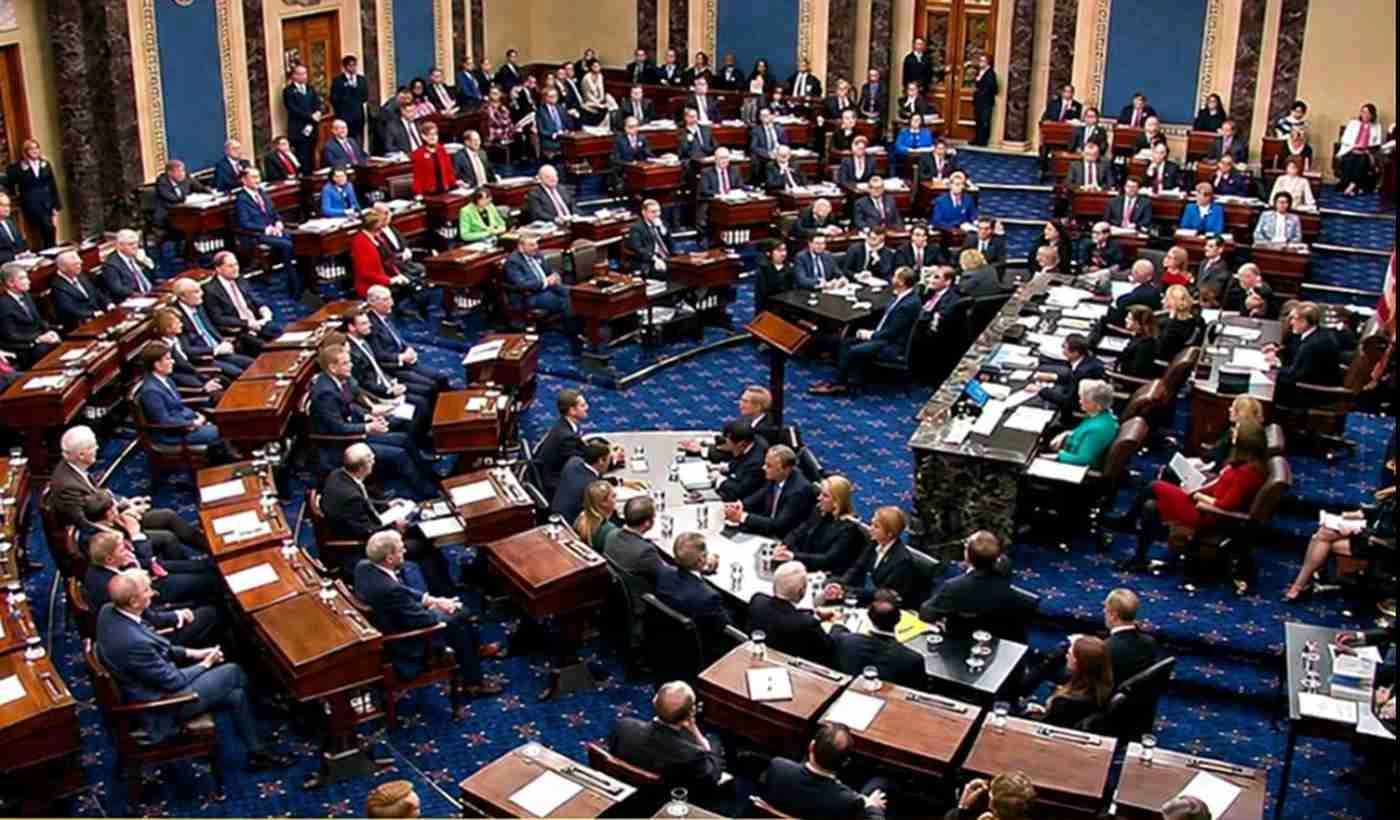
Rockefeller announced in 2013 that he would not seek a sixth Senate term, ending a public career spanning nearly half a century. His retirement coincided with a seismic political realignment in West Virginia. The state that repeatedly elected Rockefeller and other Democrats transformed into one of the nation’s most reliably Republican states. Capito captured his Senate seat in 2014, becoming West Virginia’s first Republican senator in more than 50 years, and Republicans subsequently secured nearly every major statewide office and congressional seat in the state.
What This Means
Rockefeller’s Senate career centered on healthcare, coal miners’ protections, children’s programs, and economic development. He co-authored the State Children’s Health Insurance Program, or CHIP, alongside Republican Senator John Chafee of Rhode Island—legislation enacted in 1997 that expanded government-supported health coverage to children in families earning too much for Medicaid but unable to afford private insurance. The program remains a cornerstone of federal healthcare policy.
As chairman of the Senate Commerce, Science and Transportation Committee and later the Senate Intelligence Committee, Rockefeller occupied a central role in post-September 11 national-security debates. He initially voted to authorize military force against Iraq in 2002 but later became a vocal critic of the war and the intelligence assessments that supported it. He consistently championed federal programs addressing black lung disease among coal miners and broader economic challenges throughout Appalachia.
Rockefeller’s political journey—from a privileged Eastern establishment background to a champion of labor and social welfare programs—embodied a particular moment in American liberalism that has since largely vanished in the Mountain State and across rural America. His death marks the end of an era for West Virginia politics, closing a chapter on the working-class Democratic coalition rooted in union membership, coal mining, and Appalachian community ties that once defined the state’s electoral landscape.



