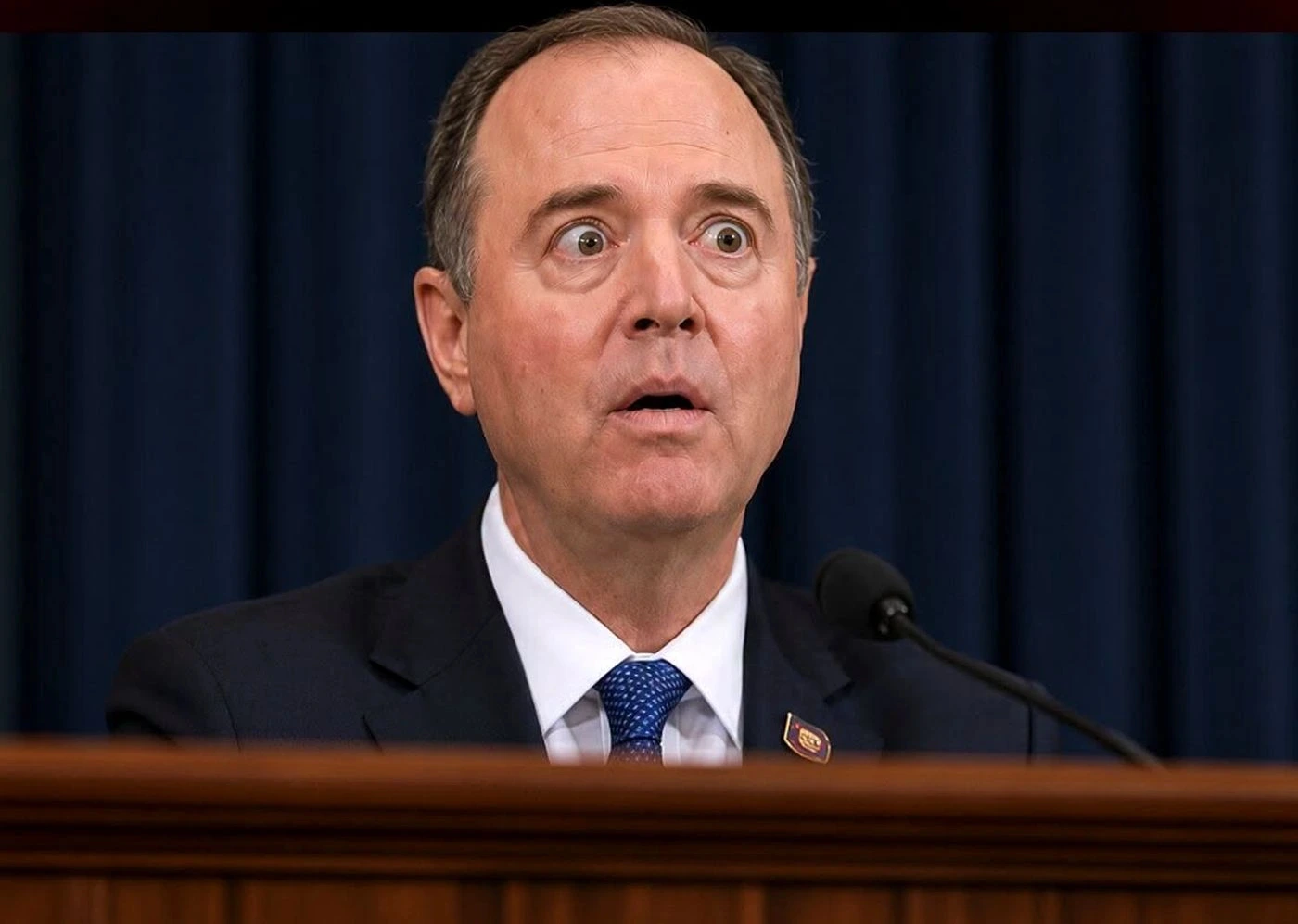
Democratic U.S. Representative Adam Schiff and Republican Steve Garvey, a former Los Angeles Dodgers player, advanced from California’s primary election on Tuesday, setting up a November general election showdown to fill the U.S. Senate seat vacated by Senator Dianne Feinstein’s death.
Schiff’s first-place primary finish positions him as a substantial favorite in the November contest, given California’s Democratic registration advantage. Garvey, by finishing second ahead of other Republican contenders, earned his spot on the general election ballot despite the state’s challenging political environment for GOP candidates.
What Happened
California’s primary featured a crowded Democratic field competing for progressive and centrist support. Representative Katie Porter and Representative Barbara Lee, a progressive voice from the Bay Area, finished behind both Schiff and Garvey, neither advancing to the general election under California’s top-two primary system.
Schiff’s campaign capitalized on his national profile, built partly through his role during Trump administration impeachment proceedings. His messaging centered on a centrist Democratic approach, appealing broadly across California’s urban and suburban centers where Democrats hold significant voter registration advantages.
Garvey brought a different credential to the race: a 19-year Major League Baseball career with the Dodgers and San Diego Padres, including a World Series championship in 1981. His political platform emphasized economic revitalization and addressed what he characterized as California’s decline in business formation and entrepreneur retention.
The Reaction
Garvey framed his candidacy around practical business experience and outsider status. “What I’ll focus on is getting back to free market capitalism that will target small businesses,” he said during his campaign, arguing that California’s economic pressures had driven entrepreneurs to other states.
The former infielder described his entry into politics as an unexpected decision. “I woke up one morning and decided to see if there’s a pathway to run for the U.S. Senate,” Garvey said, explaining that he had initially searched for established candidates aligned with his values before choosing to run himself.
Garvey outlined specific plans for Senate work, including individual meetings with other senators on his first day to build relationships across the aisle. He also invoked California’s historical economic position, saying the state had once been America’s “heartbeat” but had diminished to a “murmur” under current fiscal and safety challenges.
What This Means
The general election matchup reflects California’s political complexities. While Schiff’s path to victory appears substantially easier given voter registration data, Garvey’s celebrity status and positioning as a political outsider may generate unexpected engagement and turnout in certain communities.
The race also marks a notable shift in California’s Senate representation. For the first time in recent years, neither finalist is a woman, departing from the state’s recent history of female Senate leadership. The winner will fill the remainder of Feinstein’s term and potentially subsequent full terms, making this election significant for California’s national political voice for years to come.



