The House passed legislation Wednesday restricting federal funding for colleges that participate in boycotts targeting Israel, with 33 Democrats joining Republicans in support and defying Minority Leader Hakeem Jeffries in a stark display of party fracture over the contentious issue.
The measure, formally titled the Protect Economic and Academic Freedom Act of 2026, cleared the chamber by a 237-169 vote. The bill would amend higher-education law to tie federal-funding eligibility to institutional commercial boycott policies targeting Israel, with supporters arguing it protects academic freedom while opponents say it restricts political expression.
What Happened
Thirty-three Democrats voted alongside 204 Republicans to pass the legislation, while 167 Democrats and 2 Republicans opposed it. New Jersey Representative Josh Gottheimer co-sponsored the bill with North Carolina Republican Virginia Foxx, who led the effort. Only two Republicans broke ranks: Kentucky’s Thomas Massie and Ohio’s Warren Davidson.
Jeffries, the chamber’s top Democrat, voted against the measure. Former Speaker Nancy Pelosi and senior Democrat James Clyburn also opposed it, signaling the leadership position that the bill overreaches on constitutional grounds.
The Reaction
Progressive Democrats mounted forceful opposition during floor debate. Michigan Representative Rashida Tlaib delivered a sharp denunciation, stating, “This is an attack on free speech and academic freedom.” She used escalating language about the conflict, describing Israel as a “genocidal apartheid state”—rhetoric increasingly common within the party’s left wing.
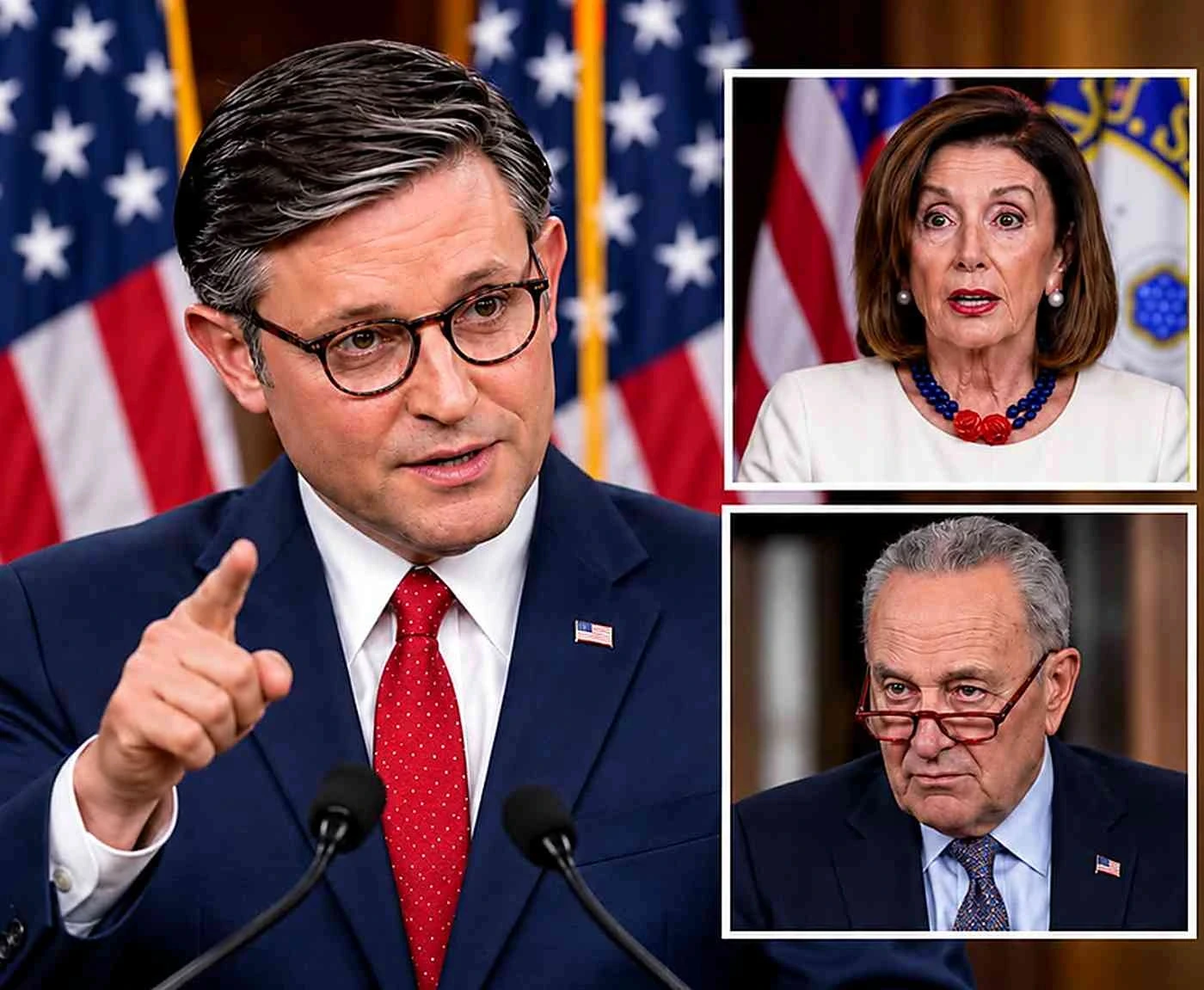
New York Representative Jerry Nadler, who voted against the bill, distinguished between opposing the Boycott, Divestment, and Sanctions movement and defending free speech protections. “I reject the BDS movement targeting Israel, but I believe its supporters retain constitutional protections for political advocacy,” he said. Nadler and other opponents argued the legislation conflates institutional commercial policy decisions with protected student speech and protest on campuses.
Bill supporters pushed back against that framing. They contended the legislation targets specific institutional policies rather than restricting individual expression. Proponents said the bill defends institutional autonomy by preventing discrimination in how federal funding decisions are made, without silencing individual protesters or activists.
What This Means
The vote exposes a deepening divide within Democratic ranks over Israel policy, particularly as campus activism has intensified and anti-Israel sentiment has grown among younger and progressive party members. The 33 Democrats who broke with leadership demonstrated a willingness to act independently on the issue, even when it aligns them directly with Republicans on a floor vote.
The split reflects broader fault lines within the party between establishment figures and those representing districts with significant Jewish constituencies—who tend to support Israel-related measures—and younger progressives who voice stronger criticism of Israeli government policies. These disagreements, once expressed in internal party debates, now regularly materialize in concrete legislative divisions that reshape voting coalitions on Capitol Hill. Wednesday’s outcome suggests the party’s Israel divide will likely intensify as legislation on the topic continues to reach the floor.



