Former First Lady Michelle Obama reflected on her public speaking effectiveness at the 2026 ESSENCE Festival, expressing frustration over media coverage that emphasized her appearance rather than her substantive campaign messaging.
Obama appeared on Keke Palmer’s “IMO: The Look” podcast during the festival to discuss her record as a speaker during her husband’s political campaigns. The conversation centered on how press accounts at the time prioritized fashion details over the content of her remarks.
What Happened
During the podcast, Obama recalled her effectiveness on the campaign trail and the gap between her impact and how outlets covered her work. “I was always really good on the campaign trail. I was always a powerful orator because my topic was good. It was about my husband,” she said.
She pointed to specific examples of how articles framed her public appearances, with reporters opening stories by describing her clothing rather than analyzing her words. “She was wearing a purple sheath, and she had on this pair of shoes,” Obama said, citing typical opening lines that shifted focus away from her message.
Obama connected this pattern to a broader issue affecting women in visible public roles. “This is how we treat women in public life. We diminish them to just what they look like and not what I’m saying,” she said, characterizing media treatment as a tactic that reduced her political effectiveness.
The Reaction
Response on social media emerged quickly, with some observers noting a disconnect between Obama’s account and the documented public record from that era. Critics pointed to her substantial book deals, extensive speaking engagements, and widespread media appearances as evidence of significant platform and recognition at the time.
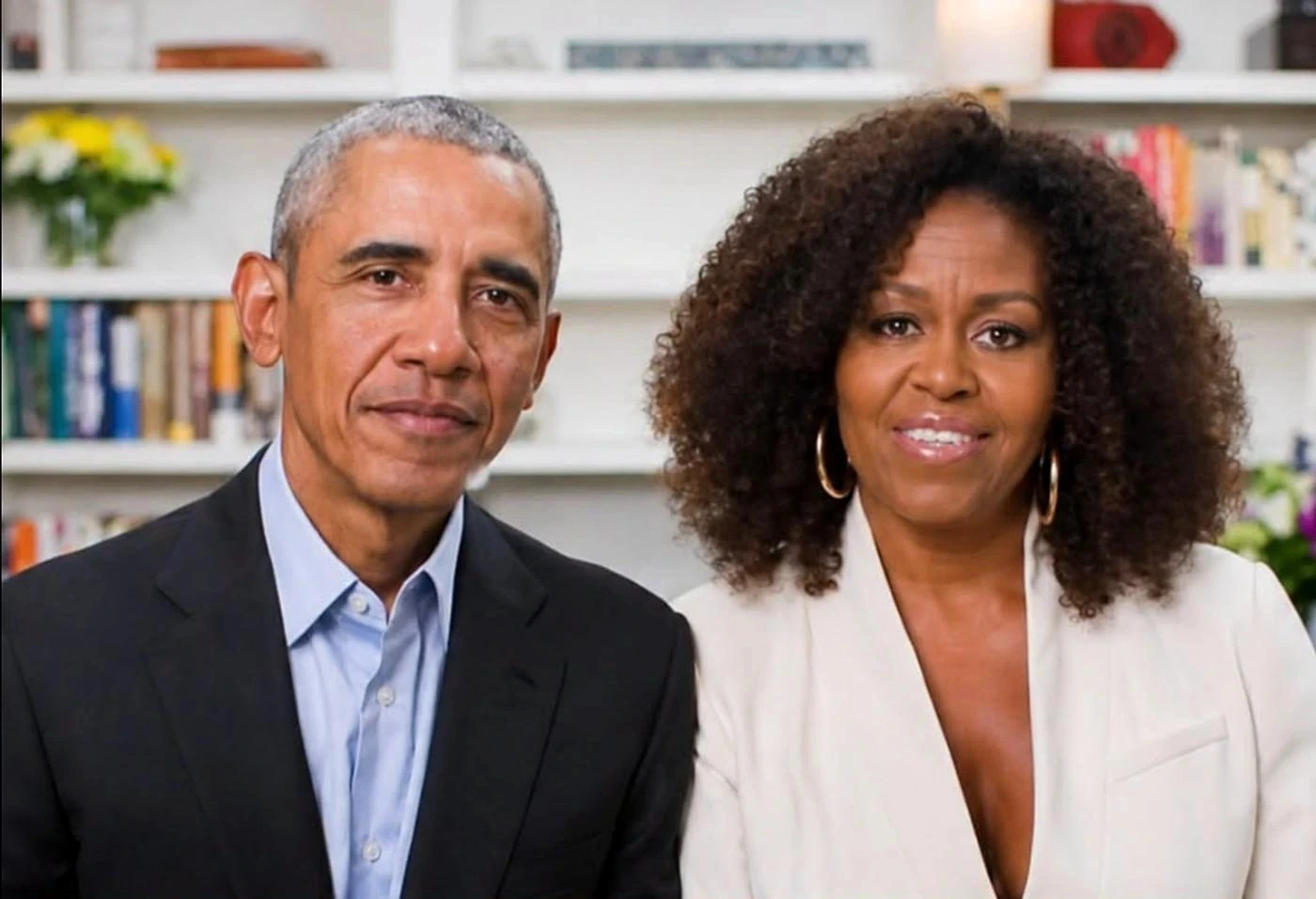
Commentators questioned whether concerns about superficial coverage aligned with her well-established status and influence across media, publishing, and public life over the past two decades. The debate highlighted tensions between personal perception of media treatment and measurable prominence.
The comments arrived as the Obama Presidential Center, which opened earlier this month, drew separate scrutiny regarding construction finances. Multiple subcontractors reported claims exceeding millions of dollars in unpaid work, with some minority-owned firms sustaining significant losses.
Mike Owen, owner of Adamson Plumbing, said his company sustained approximately $4 million in losses following work on the center. Omar Shareef, president of the African American Contractors Association, indicated that several Black-owned contractors had privately sought assistance after financial difficulties tied to the project.
What This Means
The Obama Foundation stated that Lakeside Alliance, the project’s construction manager, held responsibility for subcontractor hiring and management. The Foundation said it maintained no direct contractual relationships with subcontractors and had no outstanding disputed charges with the construction manager.
The two separate narratives—one regarding media treatment of a public figure and the other concerning construction project accountability—illustrate broader questions about how public perception intersects with documented reality. The incidents underscore ongoing discussions about representation, coverage equity, and organizational transparency across different contexts in public life.



