During a public appearance, former President Donald Trump suggested on camera that press regulations and coverage standards could change under his leadership, marking an unprecedented direct challenge to media independence.
The remarks came amid escalating tensions between Trump and major news organizations over editorial standards and coverage patterns. Trump did not detail specific policy proposals but indicated his administration would pursue a fundamentally different approach to regulating how news outlets function.
What Happened
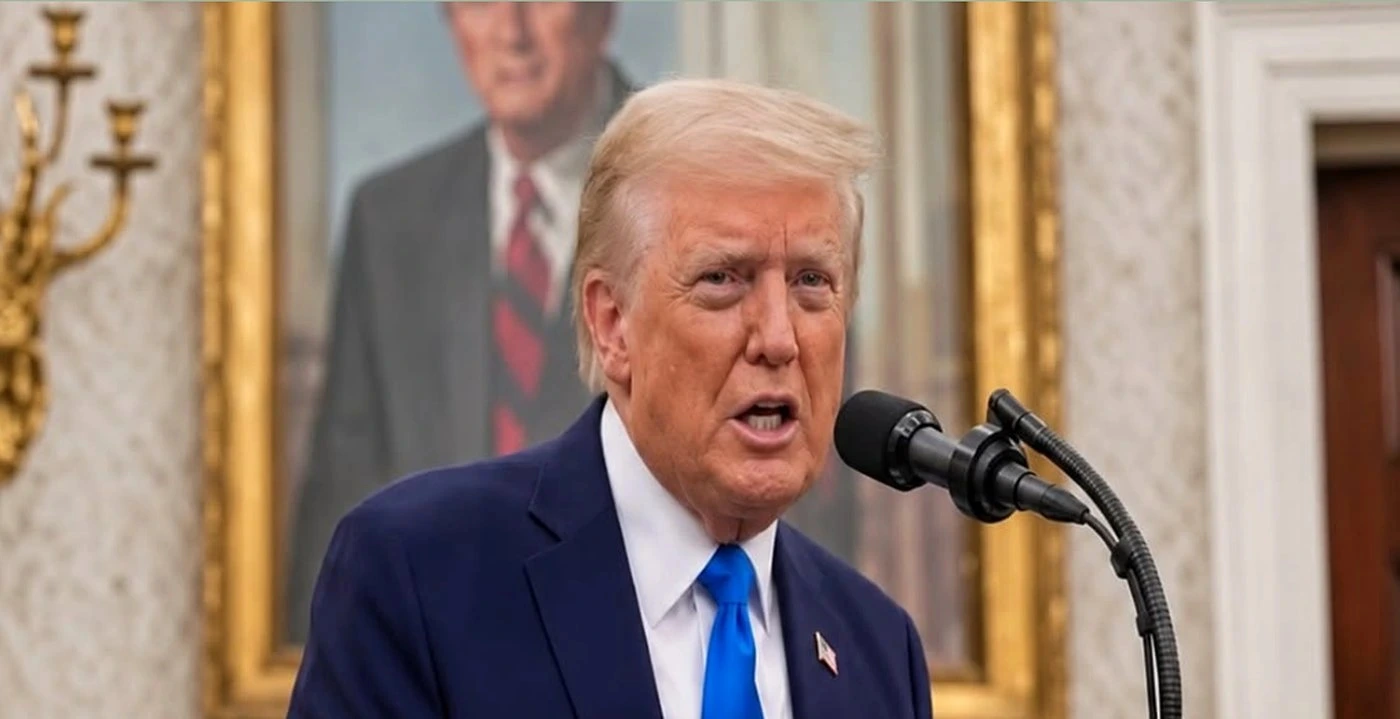
Speaking to reporters at a public event, Trump said “the press is going to change.” The statement arrived without advance notice and was delivered in his characteristic unscripted manner. Journalists present noted the remark differed markedly from his usual media criticism, which has traditionally focused on accusations of bias rather than threats to institutional operations.
The public nature of the comment immediately distinguished it from private criticism. Trump made the statement directly to assembled reporters, ensuring widespread documentation and media circulation. Several attendees indicated the tone suggested genuine policy consideration rather than rhetorical flourish.
The Reaction
Newsroom leadership quickly convened to assess potential implications. Media analysts underscored that explicit statements about restructuring press regulations represent a significant departure from conventional presidential language, which historically stops short of threatening institutional independence. “When these things are said openly, in front of cameras, it changes the conversation,” one media observer noted.
Press freedom organizations released coordinated statements reaffirming constitutional protections governing journalism. Editorial boards published pieces emphasizing the historical necessity of an independent press within democratic systems. Journalism schools initiated discussions about professional responses to direct political pressure on editorial autonomy.
Legal experts acknowledged that any actual regulatory changes targeting editorial decisions would face immediate constitutional challenges under the First Amendment. Broadcast standards bodies do maintain certain authority over technical matters, but editorial content remains protected from government interference.
What This Means
The incident highlights ongoing friction between political leadership and institutional independence in an era of intensifying polarization. While presidents have criticized media coverage throughout American history, direct suggestions about altering press operations occupy a distinct category of political speech. The open discussion signals escalating pressure on how journalism functions within the constitutional framework.
Newsrooms are reassessing protocols for both covering such statements and safeguarding operational independence. The constitutional protections governing press freedom remain unchanged by political rhetoric, yet the public nature of these statements reflects deeper questions about press-government relations moving forward. The moment underscores how institutional tensions continue shaping the landscape for American journalism.



