The House of Representatives voted 218-213 to pass the SPEED Act on Thursday, a bill designed to streamline federal permitting for artificial intelligence infrastructure projects backed by tech giants including OpenAI, Microsoft, and Micron, despite a narrow margin that reflects deep divisions within the Republican caucus.
The legislation would compress the timeline for environmental reviews of major infrastructure projects under the 1969 National Environmental Policy Act, shortening litigation deadlines from six years to 150 days. Supporters frame the measure as essential to maintaining American competitiveness in AI as China accelerates its own data center buildout and computing capabilities.
What Happened
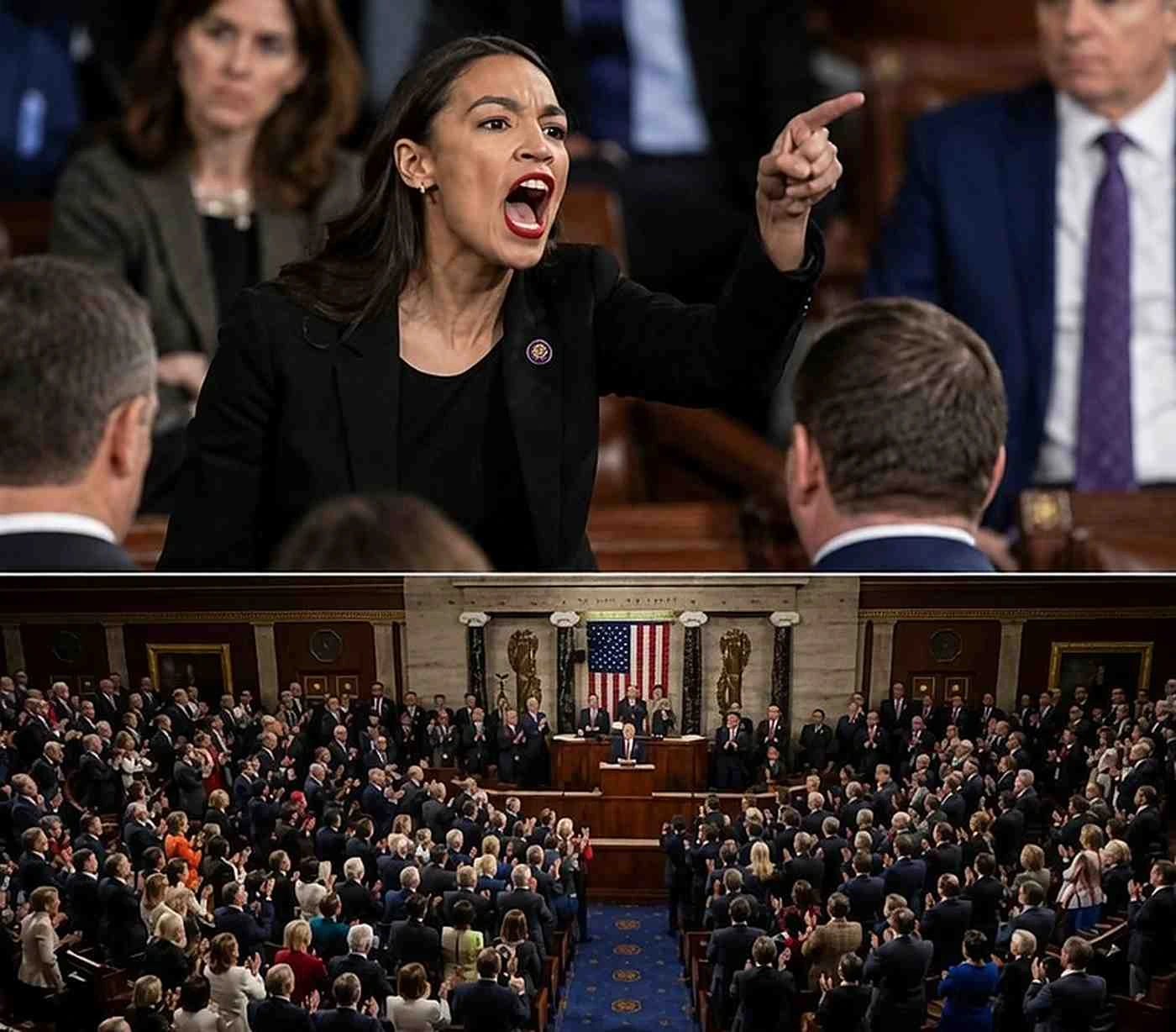
The House floor debate exposed fractures in Republican unity. Conservative members opposed to renewable energy extraction demanded last-minute amendments during the procedural vote, forcing GOP leadership to add language protecting the Trump administration’s ability to block offshore wind and renewable energy permits without triggering the bill’s new restrictions on permit revocation.
Rep. Bruce Westerman of Arkansas, the bill’s Republican sponsor and chair of the House Natural Resources Committee, argued the measure addresses an urgent national security gap. “The electricity we will need to power AI computing for civilian and military use is a national imperative,” he said. The compressed timeline would apply to major federal decisions affecting energy infrastructure and environmental permitting across multiple agencies.
The Democratic co-sponsor, Rep. Jared Golden of Maine, represents a growing chorus of lawmakers from both parties who view permitting delays as obstacles to clean energy deployment. “The bill would enable the United States to be nimble enough to build what we need, when we need it,” Golden said. Yet most Democrats voted against the final measure, objecting to provisions they say insulate Trump administration renewable energy restrictions from judicial review.
The Reaction
Rep. Scott Peters, a California Democrat who supports permitting reform generally, voted no on the final bill. “That provision codifies a broken permitting status quo,” he said, signaling that Senate negotiations will need to recalibrate the balance between streamlined timelines and environmental protections. Peters added he looks forward to crafting “a bipartisan product that can become law” in the upper chamber.
The narrow House passage reflects how permitting reform has become entangled with broader energy policy disputes. Supporters of renewable energy argue the Trump administration is using the bill as cover to accelerate fossil fuel and nuclear projects while blocking clean alternatives. Republicans counter that the unified timeline applies neutrally to all energy infrastructure categories.
The Trump administration simultaneously announced a new “U.S. Tech Force” initiative to employ approximately 1,000 engineers and specialists across federal agencies focused on AI infrastructure deployment. The program pairs government teams directly with companies including Amazon Web Services, Google, Nvidia, Oracle, and Palantir, with participants committing to two-year terms. U.S. Office of Personnel Management Director Scott Kupor told CNBC the effort aims to “reshape the workforce to make sure we have the right talent on the right problems.”
What This Means
The Senate will now weigh the SPEED Act as part of broader permitting discussions expected to dominate the remainder of the congressional session. The outcome will signal whether bipartisan appetite for streamlined timelines can survive the renewable versus conventional energy dispute. If Senate negotiators move the environmental provisions toward the center, the bill’s path to President Trump’s desk becomes clearer—though reconciling competing energy priorities will test both parties’ commitment to permitting reform.
The geopolitical urgency around AI infrastructure shows no sign of diminishing. As data centers consume increasing amounts of grid capacity and computing demands grow, Congress faces mounting pressure to reduce the time federal agencies spend on environmental analysis. Whether the final product reflects genuine consensus or merely temporary political alignment on China competition remains an open question for the Senate negotiations ahead.



