The House of Representatives voted 373-15 on Wednesday to extend federal protection for the commercial insurance market against certified terrorism losses, reauthorizing the Terrorism Risk Insurance Program through 2034 with updates designed to strengthen taxpayer safeguards and clarify certification rules.
The bipartisan passage of H.R. 7128, the TRIA Program Reauthorization Act of 2026, marks the third renewal since Congress created the program in response to the September 11, 2001, attacks. The measure now moves to the Senate, where companion legislation has been introduced.
What Happened
Rep. Mike Flood, R-Nebraska, championed the bill as chairman of the House Financial Services Subcommittee on Housing and Insurance. The legislation extends the existing federal backstop for seven years beyond its scheduled expiration at the end of 2027.
The program operates as a shared responsibility between private insurers and federal government. Insurers must offer terrorism coverage to commercial policyholders, while the Treasury Department absorbs losses above specified thresholds only when a certified terrorism event occurs.
Alongside reauthorization, the bill implements two substantive reforms. It raises the minimum insured loss threshold for terrorism certification from $5 million to $10 million beginning in 2029, reducing the likelihood that smaller events trigger federal involvement. The legislation also grants explicit statutory authority to the Treasury Department to publish transparent procedures for determining whether an event qualifies as terrorism under program rules.
The Reaction
House Financial Services Committee Chairman Rep. French Hill, R-Arkansas, framed the program’s core mission during floor debate. “The law states that TRIA is designed to provide for a transparent system of shared public and private compensation for insured losses resulting from acts of terrorism in order to protect consumers,” Hill said. “That’s the goal here: to give policyholders access to the financial protection they need and the confidence they need to build skyscrapers, sports venues, and malls, and employ workers that drive our economy.”
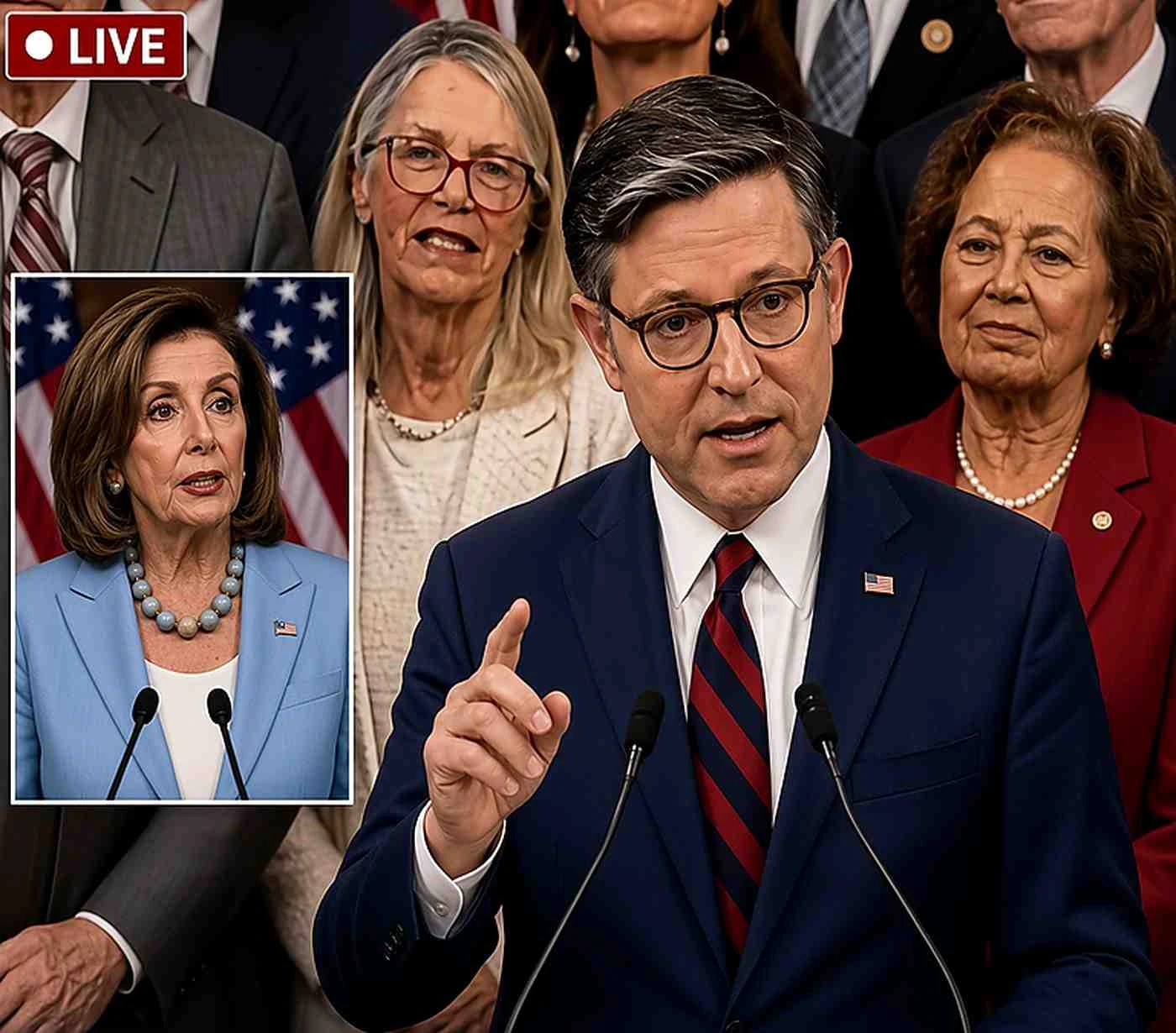
Flood emphasized that updating program rules alongside extension serves fiscal discipline. “We are so fortunate that we have never seen a TRIA claim in the program’s entire history, and I hope that we never, ever see one,” Flood said. “However, if this program is going to continue to exist with a public backstop, we should ensure we update its charter to protect taxpayers in the event of future claims, and we should work to ensure the certification process is transparent.”
Business groups including the U.S. Chamber of Commerce and the American Bankers Association have backed the reauthorization. Industry representatives argue that stable, predictable terrorism coverage supports lending for commercial real estate projects, construction activity, and large-scale venues that sustain millions of jobs across construction, property management, retail, hospitality, and related sectors.
What This Means
No claims have been paid since the program’s inception, a fact supporters frequently cite as evidence of its deterrent effect on market disruptions. However, without reauthorization, insurers have signaled potential pullbacks in offering terrorism coverage, which could restrict availability and raise costs for businesses in major metropolitan areas and high-profile locations.
The certification threshold increase represents a targeted fiscal adjustment rather than a structural overhaul. By requiring higher insured losses before federal involvement triggers, the bill reduces exposure for taxpayers while maintaining the federal safety net for genuinely catastrophic events.
Terrorism risk remains inherently difficult to model using traditional actuarial methods due to its unpredictable nature. Since reinsurers largely exited the market after 2001, the federal backstop has sustained a functioning private market for this coverage. H.R. 7128 preserves that framework while addressing legislative concerns about transparency and fiscal accountability as the program enters its third decade.



