Former House Speaker Nancy Pelosi spent four days in late August at Villa d’Este, a luxury resort on Lake Como in northern Italy where nightly rates often exceed $3,000, according to documentation that has revived longstanding questions about the Democrat’s estimated $260 million fortune and how she accumulated it.
Pelosi, 85, was photographed at the exclusive property between August 25 and 28 during Congress’s recess period. The California lawmaker, who served as House speaker from 2007 to 2011 and again from 2019 to 2023, currently holds the title of Speaker Emerita.
What Happened
Video and photographic evidence documented Pelosi on the grounds of Villa d’Este, one of northern Italy’s most prestigious lakeside destinations. The resort caters to high-net-worth clientele and features amenities consistent with five-star European hospitality. The timing of her stay—during the August congressional recess—placed her among other prominent Democratic figures vacationing in the Lake Como region, including Maryland Governor Wes Moore, who was separately documented on a yacht owned by actor George Clooney.
The resort visit intersected with Pelosi’s preparation for a 2026 reelection campaign, though she faces a primary challenge from Saikat Chakrabarti, a progressive organizer and former aide to Representative Alexandria Ocasio-Cortez of New York. Her presence abroad came months after she relinquished the House speakership following Democratic losses in the 2022 midterms.
The Reaction
The photograph reignited a debate that has followed Pelosi throughout her congressional tenure: the origins and implications of her personal wealth. Much of the focus has centered on her husband, venture capitalist Paul Pelosi, whose stock transactions have drawn recurring scrutiny regarding their timing and potential correlation with congressional activity or nonpublic information.
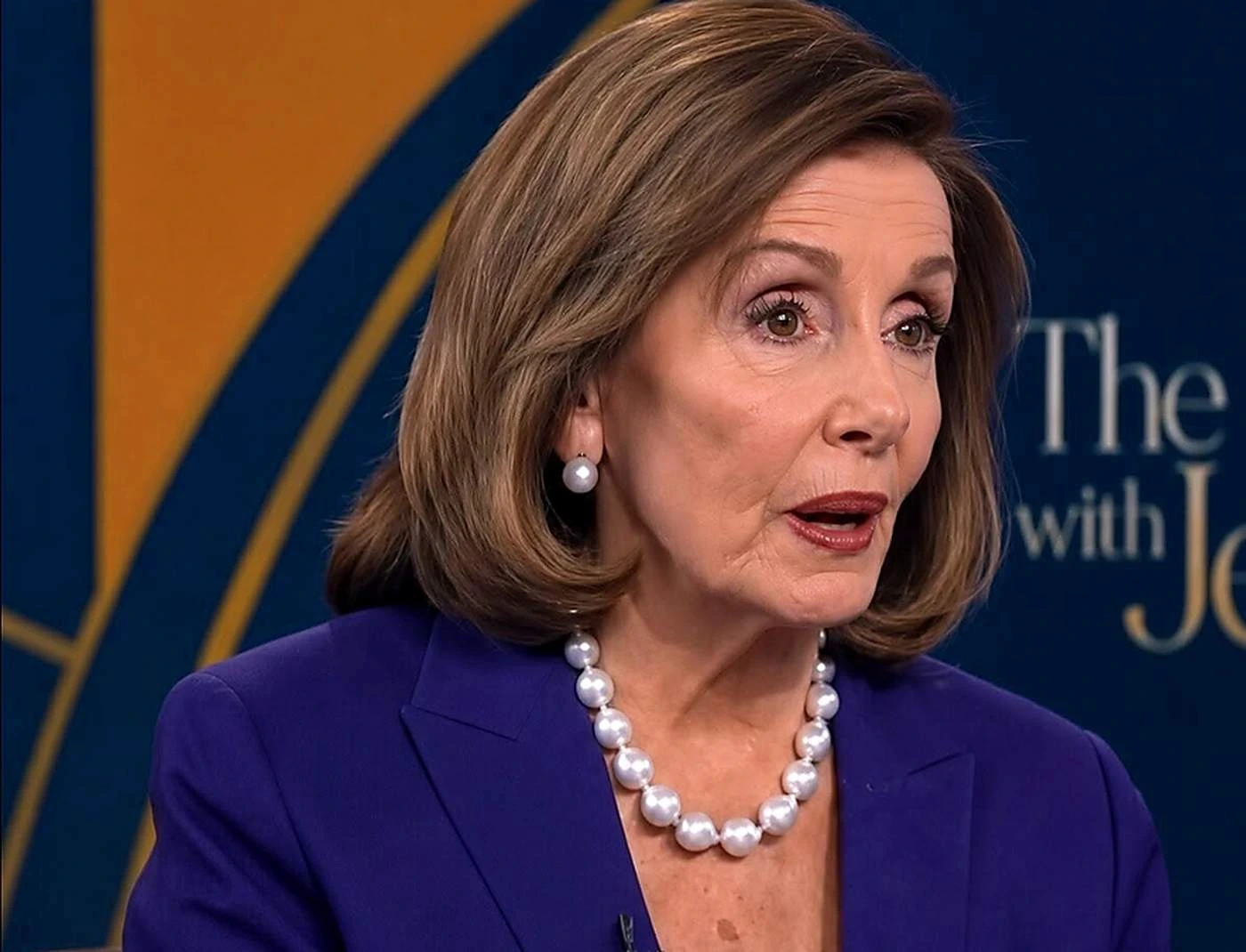
In a July CNN interview, Pelosi addressed allegations that she had benefited from inside information. “That’s ridiculous,” she said, emphasizing that her husband’s investment decisions operated independently of her congressional position. “I have no concern about the obvious investments that have been made over time. I’m not into it. My husband is, but it isn’t anything to do with anything insider.”
Critics have cited specific examples: Paul Pelosi sold $500,000 in Visa stock before antitrust proceedings against the company were initiated by the government, and divested 5,000 Microsoft shares shortly before a Federal Trade Commission investigation. The Pelosis have consistently denied that such transactions resulted from nonpublic information or her congressional access.
Pelosi expressed support for congressional stock-trading restrictions, framing them as addressing public perception rather than actual misconduct. “I very much support the efforts to stop the trading of members of Congress. Not that I think anybody is doing anything wrong. If they are, they are prosecuted, and they go to jail. But because of the confidence it instills in the American people, don’t worry about this,” she said.
What This Means
The Lake Como vacation underscores the persistent intersection of wealth, political power, and public accountability. Congressional stock trading has emerged as a legislative priority with unusual bipartisan momentum. The Preventing Elected Leaders from Owning Securities and Investments Act, led by Senator Josh Hawley of Missouri, advanced through committee in July and would prohibit members of Congress, their spouses, and dependent children from trading individual stocks. The measure has received backing from Ocasio-Cortez, a frequent Pelosi critic on policy matters, signaling agreement across ideological lines on the issue.
As voters weigh questions of congressional ethics and financial transparency, the visibility of high-profile lawmakers at exclusive international destinations continues to sustain public interest in how elected officials’ personal finances relate to their governmental responsibilities. The scrutiny reflects broader expectations that those holding power operate within frameworks perceived as independent of personal financial gain or information advantages.



