The U.S. Supreme Court declined Monday to hear an appeal from Gwynne Wilcox, a Democratic appointee to the National Labor Relations Board whom President Donald Trump removed in January 2025, leaving standing a lower court judgment that upholds broad presidential removal authority and bearing potential consequences for a separate fight over control of the National Credit Union Administration board.
The justices’ decision to reject Wilcox’s petition does not establish new constitutional law but rather allows an appellate ruling to stand. Wilcox had argued that federal statute protected labor board members from termination without cause, a position initially supported by a federal district judge before a divided federal appeals court reversed course. The outcome signals the judicial direction on presidential power over independent agencies, a question that has grown central to Trump’s second term.
What Happened
Biden appointed Wilcox to a five-year term at the labor board in 2023. Within days of returning to office in January, Trump removed her, asserting constitutional authority over executive officials. Wilcox challenged the removal, claiming statutory protections shielded her from dismissal without cause.
A federal district judge initially sided with Wilcox, upholding the statutory safeguards. The appeals court disagreed, reversing the decision and concluding that the President possessed removal power that Congress could not substantially restrict. The Supreme Court’s refusal to review the appeal—announced without explanation on Monday—allows that appellate judgment to remain the law governing labor board dismissals in several circuits.
The decision follows a pattern established by the high court’s June ruling in which it upheld the removal of Federal Trade Commission member Rebecca Slaughter. That June opinion overturned Humphrey’s Executor, a 1935 precedent that had allowed Congress to shield certain regulators from presidential removal. The newer precedent significantly expanded executive authority and signaled skepticism toward statutory limits on firing power.
The Reaction
Wilcox responded with disappointment, stating that the outcome affected millions of workers and employers who depend on the labor board to resolve disputes impartially. “The decision undermines the independence that Congress sought to establish for the agency,” she said in a statement released after the Supreme Court’s action. The Justice Department declined to comment on the ruling.
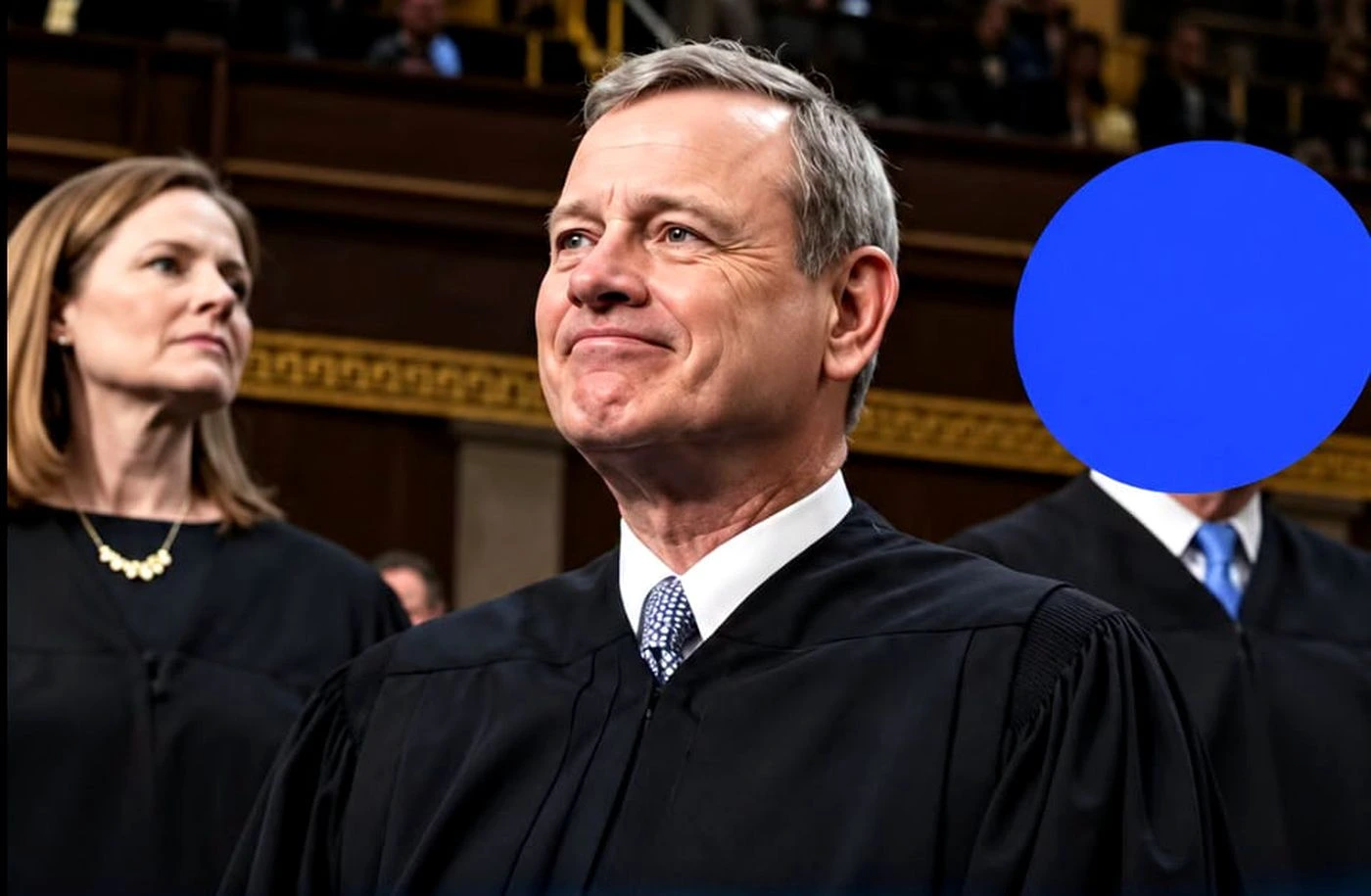
The labor board, which oversees union organizing and workplace disputes, operates under a five-member structure appointed staggered terms. The presidential removal authority the courts have now affirmed gives incoming administrations greater control over pending cases and agency direction, a shift with practical consequences for pending labor matters.
What This Means
The Supreme Court’s rejection of Wilcox’s appeal gains significance partly because of its connection to an unresolved battle over the National Credit Union Administration. Two former NCUA board members, Todd Harper and Tanya Otsuka, are challenging Trump’s April dismissal of them in a separate lawsuit pending before the appeals court in Washington.
The NCUA governs federally insured credit unions and oversees the National Credit Union Share Insurance Fund. Unlike the labor board, the NCUA operates under a three-member board structure with limits on partisan representation written into statute, though those constraints stop short of explicit removal protections found in some other agencies. Harper and Otsuka argue that the NCUA’s financial regulatory role and unique governance structure should distinguish it from other agencies, warranting comparable constitutional consideration to what the Supreme Court has afforded the Federal Reserve.
A district judge previously ordered Harper and Otsuka reinstated, but an appellate stay has kept them off the board pending final resolution. Credit union representatives have warned that prolonged governance uncertainty complicates institutional planning, even as routine supervisory work continues through agency staff. The appeals court must now decide whether the NCUA’s statutory language and the agency’s financial responsibilities create a legal distinction significant enough to limit removal power, or whether the Supreme Court’s recent direction applies equally.
The broader separation-of-powers question at stake involves the balance between presidential appointment and removal authority on one side and congressional efforts to insulate officials from political pressure on the other. The Supreme Court’s recent decisions have shifted that balance decisively toward the President without resolving every dispute involving independent regulators. The pending NCUA ruling will test whether any agency structure remains capable of resisting executive removal authority or whether financial regulatory agencies face the same presidential control as other federal offices.



