Former President Donald Trump has been indicted on federal criminal charges by the U.S. Department of Justice, making him the first ex-president in American history to face such prosecution, with allegations centered on actions taken following the 2020 presidential election and January 6, 2021.
The indictment, brought by federal prosecutors, alleges that Trump engaged in conduct extending beyond lawful political advocacy. The charges relate to a series of actions prosecutors say were designed to undermine the certification of the 2020 election results and obstruct the constitutional transfer of power.
What Happened
The indictment outlines multiple allegations involving communications with government officials and efforts to organize alternate slates of presidential electors in certain states. Prosecutors contend that these actions were part of a scheme intended to influence Congress’s certification of Electoral College votes on January 6, 2021.
According to court documents, the case centers on events in the months following the November 2020 election. During this period, Trump and his legal team challenged election results through various means, filing numerous lawsuits in state and federal courts. Election officials from both major parties, as well as courts across the country, examined these challenges and found insufficient evidence of fraud that would have altered the election outcome.
Trump has consistently denied all charges and entered a plea of not guilty. His legal team argues that his actions constituted protected political speech and that he was exercising his constitutional right to challenge election results through lawful channels. His defense has raised both constitutional and procedural objections to the prosecution.
The Reaction
The case has generated starkly different responses across the political landscape. Some legal observers and officials contend that the prosecution upholds the principle that all citizens and former officials remain subject to the same legal standards regardless of their previous position or status.
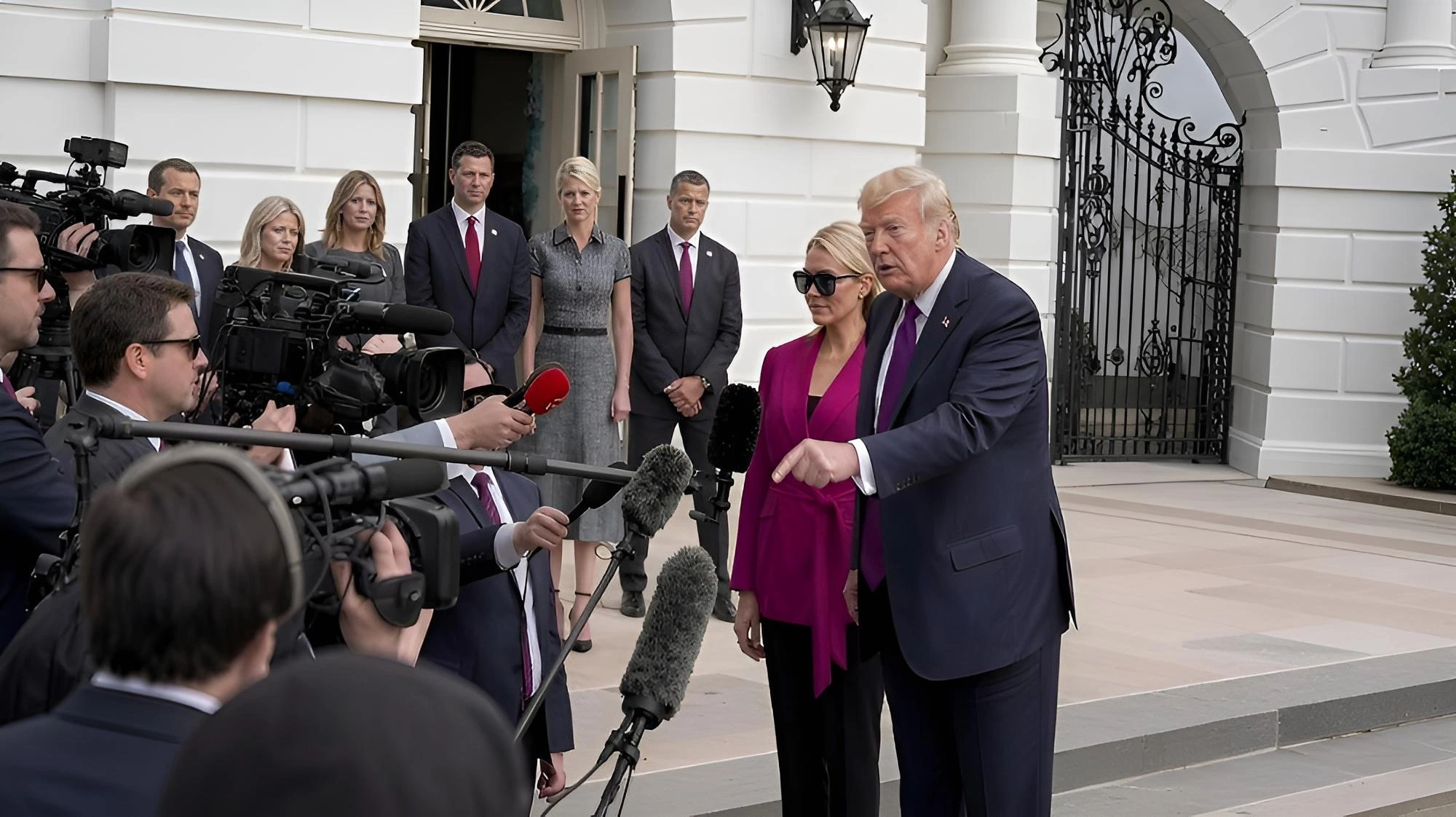
Others have expressed concern about the precedent of criminally prosecuting a former president, arguing that such prosecution could invite future administrations to use the justice system against political adversaries. Legal scholars have noted that the case raises unprecedented questions about the scope of presidential authority, the application of federal criminal law to former officeholders, and the constitutional protections available to elected officials.
The proceedings have prompted sustained national debate about the relationship between executive power, democratic accountability, and the rule of law. This discussion continues across media outlets, academic institutions, and public forums.
What This Means
The litigation is expected to proceed through several stages involving pretrial motions, evidentiary disputes, constitutional arguments, and witness testimony. The court must resolve complex legal questions before any final resolution can occur.
The outcome of this case will likely influence how presidential powers and responsibilities are understood and applied in future administrations. Regardless of the verdict, the proceedings have already prompted renewed examination of the balance between executive authority and accountability under law, as well as the institutional mechanisms that ensure peaceful transfers of power in a democratic system.
Legal scholars anticipate that the case’s resolution will shape constitutional interpretation and public debate about presidential conduct and criminal liability for years to come.



