The House passed legislation Wednesday to restrict federal funding for colleges participating in boycotts targeting Israel, with 33 Democrats joining Republicans in support and putting them at odds with Minority Leader Hakeem Jeffries in a widening party divide over the issue.
The measure, H.R. 4795, cleared the chamber by a 237-169 vote. The bill would amend higher-education law to attach federal-funding consequences to institutional commercial boycotts targeting Israel, a step that supporters say protects academic freedom while opponents argue it suppresses political expression.
What Happened
Thirty-three Democrats voted with 204 Republicans to pass the Protect Economic and Academic Freedom Act of 2026, while 167 Democrats and 2 Republicans opposed it. The bill’s Democratic co-sponsor was New Jersey Representative Josh Gottheimer, while North Carolina Republican Virginia Foxx led the legislation.
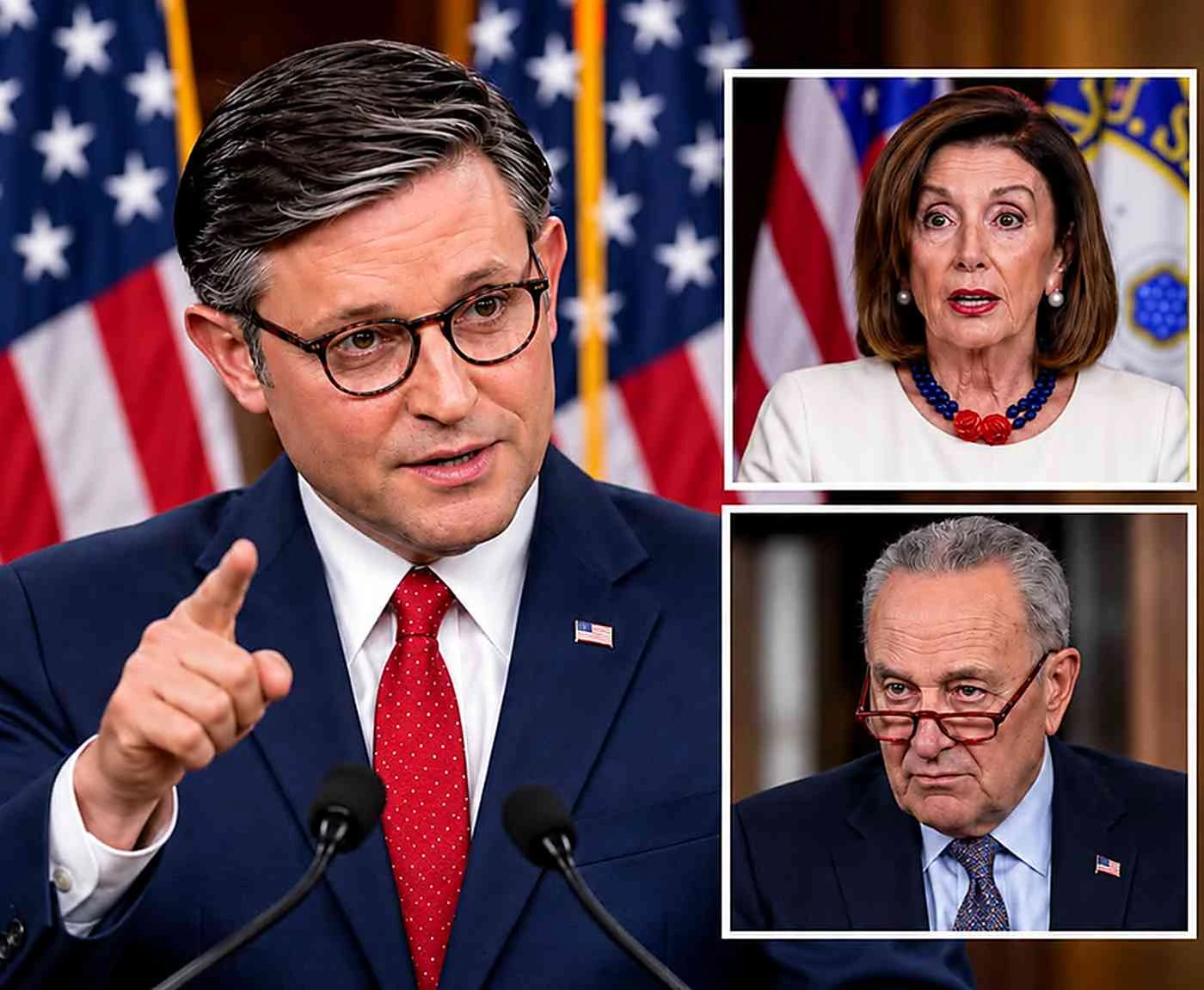
Jeffries, the chamber’s top Democrat, voted against the measure, as did former Speaker Nancy Pelosi and senior Democrat James Clyburn. Only two Republicans broke ranks: Thomas Massie of Kentucky and Warren Davidson of Ohio.
The Reaction
Progressive Democrats mounted sharp opposition during floor debate. Michigan Representative Rashida Tlaib issued a forceful denunciation, stating, “This is an attack on free speech and academic freedom.” She described Israel as a “genocidal apartheid state,” language that reflects intensifying rhetoric within the party’s left wing on the topic.
New York Representative Jerry Nadler, who opposed the bill, said he rejects the Boycott, Divestment, and Sanctions movement targeting Israel but believes its supporters retain constitutional protections for political advocacy. He and others argued the legislation conflates institutional commercial discrimination with protected student speech.
Supporters of the bill pushed back against that characterization. They contended the legislation targets specific institutional policies rather than restricting individual expression or protest on campuses. Proponents framed it as defending institutional autonomy and preventing discrimination in federal spending decisions.
What This Means
The vote underscores a deepening fracture within Democratic ranks over Israel policy, particularly as campus activism and anti-Israel sentiment have grown within progressive wings of the party. The 33 Democrats breaking with leadership signal willingness to act independently on the issue, even when it aligns them with Republicans.
The divide reflects broader tensions within the party as younger and more progressive members express criticism of Israeli government policies, while establishment figures and those from districts with significant Jewish constituencies maintain stronger support for Israel-related measures. Wednesday’s vote illustrated that these disagreements are not abstract—they now regularly translate into split votes on concrete legislation affecting federal policy and funding.



