Jay Rockefeller, an heir to one of America’s most prominent oil fortunes who became a five-term Democratic senator from West Virginia after abandoning his family’s Republican tradition, died Friday at his Charleston home; he was 89.
The former U.S. Senator’s family announced his death Thursday evening, saying he passed peacefully after a decades-long career in public service that fundamentally shaped West Virginia politics for nearly five decades. Rockefeller represented the state in the Senate from 1985 until his retirement in January 2015, making him one of the longest-serving senators in state history.
Born John Davison Rockefeller IV in New York in 1937, he was the great-grandson of Standard Oil founder John D. Rockefeller and carried a name synonymous with American industrial wealth. Yet his political journey would diverge sharply from his family legacy. His uncle, Nelson Rockefeller, served as Republican governor of New York and later as vice president under Gerald Ford. Jay Rockefeller chose a different path entirely.
What Happened
Rockefeller first came to West Virginia in 1964 as a VISTA volunteer—part of President Lyndon B. Johnson’s Volunteers in Service to America program. Assigned to work in the coal community of Emmons, he said his encounters with Appalachian poverty profoundly reshaped his political worldview. That early exposure anchored his commitment to the state and influenced the policy priorities he would pursue for the next 50 years.
He entered electoral politics in West Virginia, becoming secretary of state from 1969 to 1973. After an unsuccessful gubernatorial bid in 1972, Rockefeller won the governorship in 1976 and served until 1985, when he was elected to the U.S. Senate. He won reelection four consecutive times, building a political base in a state increasingly known for coal mining, economic hardship, and working-class voters.
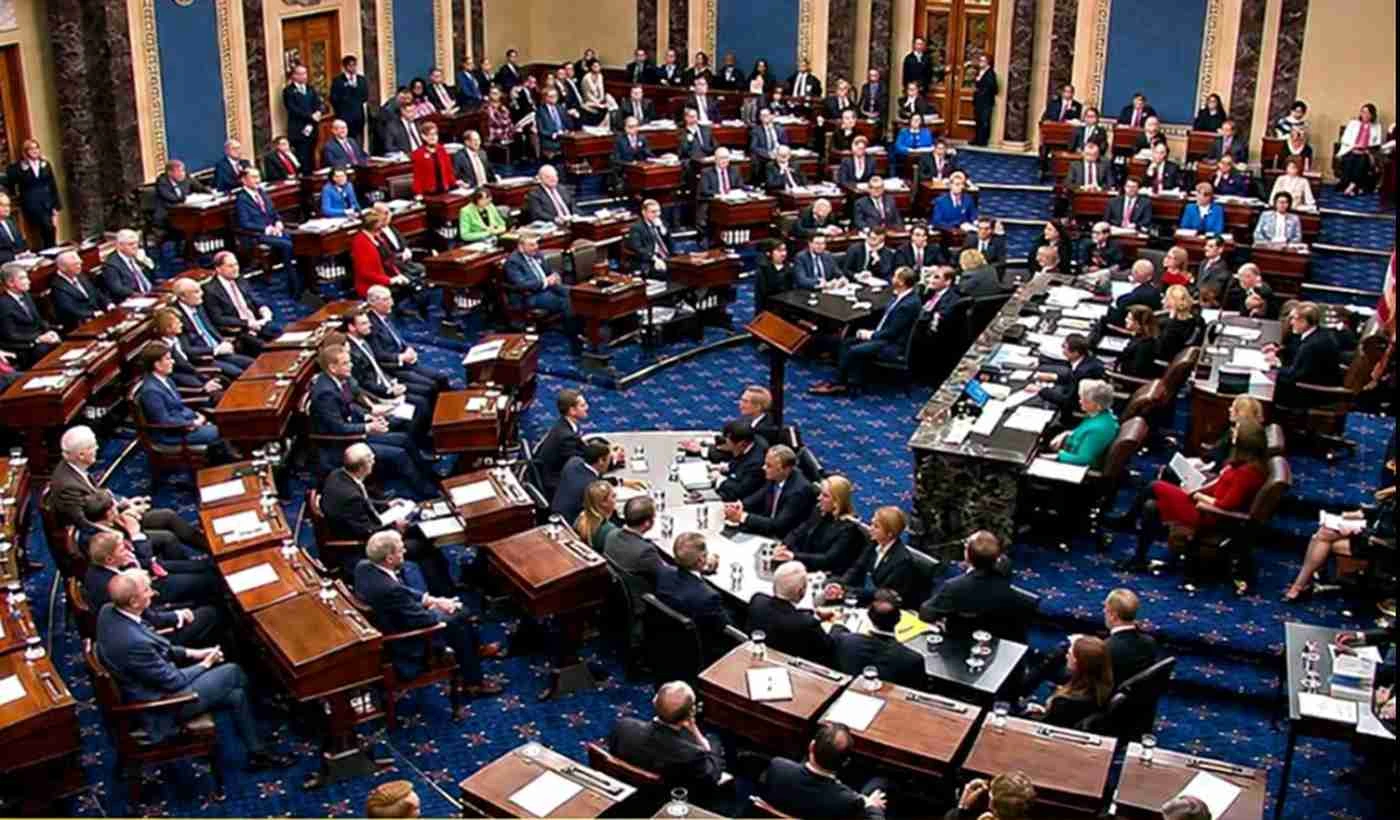
During his Senate tenure, Rockefeller focused on healthcare, coal miners’ protections, children’s programs, and economic development. He co-authored the State Children’s Health Insurance Program, or CHIP, alongside Republican Sen. John Chafee of Rhode Island—legislation enacted in 1997 that expanded government-supported health coverage to children in families earning too much for Medicaid but unable to afford private insurance. The program remains a cornerstone of federal healthcare policy.
Rockefeller chaired the Senate Commerce, Science and Transportation Committee and led the Senate Intelligence Committee, a position that placed him at the center of post-September 11 national-security debates. He initially voted to authorize military force against Iraq in 2002 but later became a vocal critic of the war and the intelligence assessments that supported it. He consistently championed federal programs addressing black lung disease among coal miners and broader economic challenges throughout Appalachia.
The Reaction
West Virginia officials from both parties offered condolences. Republican Sen. Shelley Moore Capito, who succeeded Rockefeller in the Senate, said he was “a true public servant who dedicated decades of his life to the people of West Virginia.” Former Democratic Sen. Joe Manchin praised Rockefeller’s lifelong commitment to the state and its residents.
Rockefeller announced in 2013 that he would not seek a sixth Senate term, ending a public career spanning nearly half a century. His retirement coincided with a seismic shift in West Virginia’s political landscape. The state that had repeatedly elected Rockefeller and other Democrats transformed into one of the nation’s most reliably Republican states. Capito captured his Senate seat in 2014, becoming West Virginia’s first Republican senator in more than 50 years. Republicans subsequently secured nearly every major statewide office and congressional seat in the state.
What This Means
Rockefeller’s death marks the end of an era for West Virginia politics. He represented a bygone coalition of working-class Democratic voters rooted in union membership, coal mining, and Appalachian community ties. His political transformation—from a privileged Eastern establishment background to a champion of labor and social welfare programs—embodied a particular moment in American liberalism that has since largely vanished in the Mountain State and across rural America. Though he left elected office more than a decade ago, his policy imprint on federal healthcare and his advocacy for economically distressed regions remain part of his lasting legacy.



