A multi-vehicle collision on the Mexico–Querétaro Highway near Huehuetoca has left at least 5 people dead and 5 others injured, authorities said, disrupting one of Mexico’s busiest transportation corridors and triggering an extensive emergency response.
The crash occurred at the Jorobas intersection, a high-traffic area known for congestion, when several vehicles—including private cars and heavy freight trucks—collided in a chain-reaction sequence. Emergency services mobilized within minutes, with paramedics, firefighters, and civil protection units coordinating rescue and recovery efforts on-site.
What Happened
The Mexico–Querétaro Highway serves as a critical economic artery, moving thousands of vehicles daily between the capital and industrial regions. On the day of the incident, traffic conditions appeared routine until vehicles collided with force near the Jorobas intersection, creating wreckage that scattered across multiple lanes.
Witnesses reported a sudden sequence of impacts followed by silence, then alarms and calls for help. The collision involved both lightweight passenger vehicles and heavy commercial trucks, each contributing to the complexity of the wreckage. First responders described the scene as an emergency zone requiring immediate, coordinated action across multiple agencies.
Rescue teams faced significant challenges extracting victims from damaged vehicles, requiring specialized equipment and careful navigation through unstable debris. Several individuals trapped inside cars and trucks needed immediate intervention. Medical personnel established triage areas at the crash site, assessing injuries and prioritizing transport to nearby hospitals.
The Reaction
Ambulances operated continuously between the accident site and medical facilities throughout the surrounding region. Hospitals had prepared in advance for the surge in emergency cases, coordinating staff and resources to manage the incoming volume of patients. The coordinated response by emergency services was credited with limiting additional harm during the critical hours following the collision.
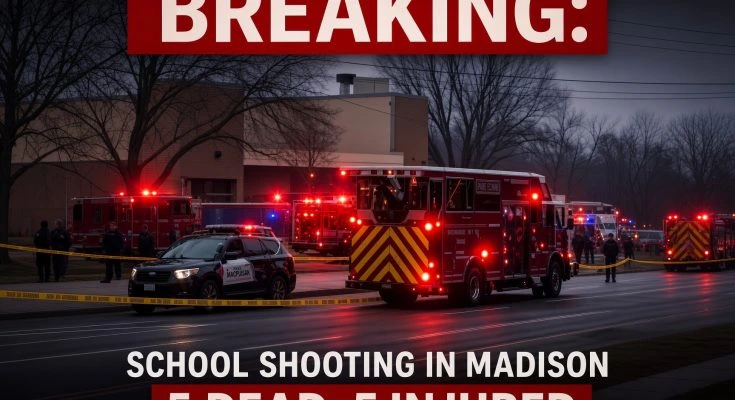
Traffic authorities implemented detours and redirected vehicles away from the site, with security forces managing congestion that extended for kilometers in both directions. Heavy machinery was deployed to clear debris and remove damaged vehicles, though the scale of destruction made the process slow and methodical. For stranded motorists, the highway closure created delays lasting several hours.
Investigators began examining the wreckage to determine contributing factors. Early assessments suggested excessive speed may have played a role, particularly given the highway’s high-velocity traffic patterns. Reduced visibility at the time of the crash was also under review, along with the mechanical condition of the vehicles involved.
What This Means
The incident has reignited discussions about road safety on major Mexican highways. Safety advocates are calling for stricter enforcement of speed limits, particularly for commercial vehicles, and more regular mechanical inspections to ensure vehicles are properly maintained before operating on busy routes.
Infrastructure improvements are also being discussed, with attention focused on high-risk intersections like Jorobas. Enhanced lighting, updated signage, and modernized traffic management systems could improve visibility and driver decision-making in critical zones. Long-term solutions may include investments in intelligent traffic systems and improved road design.
For families of those affected, the focus remains on understanding what occurred and beginning the recovery process. Survivors will face both physical rehabilitation and emotional recovery, supported by medical professionals and their communities. As investigations continue and agencies work toward restoring normal highway operations, the broader lesson remains: road safety requires ongoing attention to infrastructure, enforcement, vehicle maintenance, and individual driver responsibility.



