A viral social media claim that former U.S. President Donald Trump had been shot again in Washington, D.C., spread rapidly online Wednesday, but major news organizations, law enforcement agencies, and federal authorities have not confirmed any incident of this nature.
The dramatic posts fueled speculation and concern across multiple platforms within hours, triggering widespread discussion among supporters, critics, and observers. The intensity of the claims, however, did not align with the absence of corroborating evidence from any official source.
What Happened
Unverified social media posts began circulating describing a shooting involving Trump in the nation’s capital. The posts used urgent language and alarming framing to capture attention, and the claims spread across multiple platforms before any verification attempts were made.
The U.S. Secret Service, the Federal Bureau of Investigation, and major hospitals in the Washington area have issued no statements confirming such an incident. Mainstream news organizations, which typically break and report on events of this magnitude within minutes, have found no credible basis for the claim. The absence of official confirmation from any law enforcement agency represents a significant red flag regarding the rumor’s authenticity.
The Reaction
Social media users rapidly amplified the posts, with many sharing without verification. The viral nature of the claims prompted searches for updates and raised public concern, even as journalists and officials worked to assess the accuracy of the information.
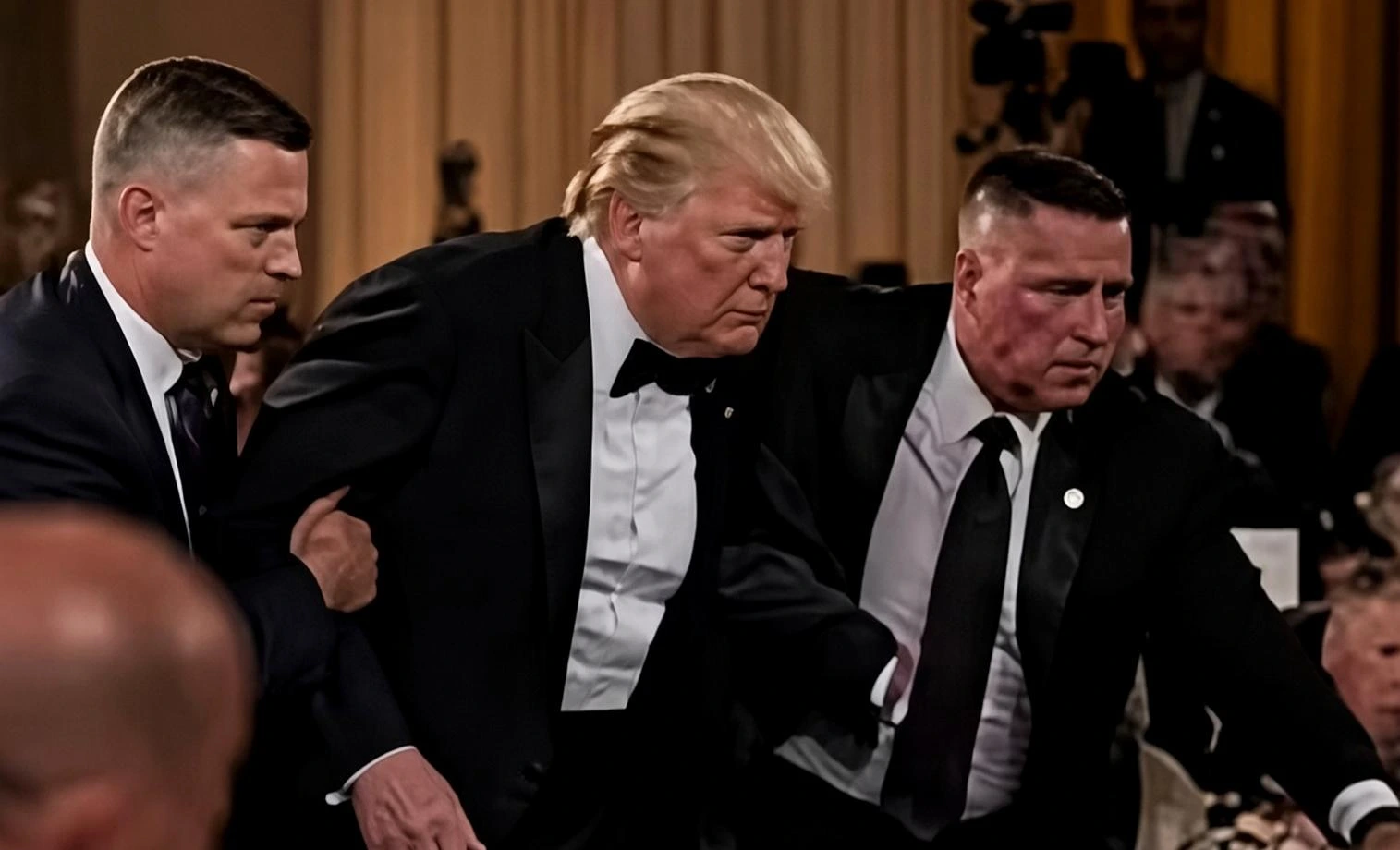
Security experts have cautioned that such false reports carry real consequences. “False claims can trigger unnecessary panic, divert emergency services from actual crises, and undermine public confidence in legitimate news sources,” analysts said. The repetition of unverified rumors also places additional burden on federal agencies responsible for monitoring genuine threats.
What This Means
The incident underscores the difficulty of distinguishing verified information from misinformation in digital spaces where false claims can reach millions before fact-checkers respond. Many of the viral posts originated from unverified accounts and private groups, where sensational framing often substitutes for evidence.
This rumor differs sharply from the documented assassination attempt in Butler, Pennsylvania, in 2024, which resulted in Trump being wounded and led to federal investigations and criminal charges. That event was immediately confirmed by law enforcement and widely covered by credible news outlets. The current claims lack any such documentation or official acknowledgment.
Media analysts note that high-profile political figures remain frequent subjects of misinformation, particularly during election cycles or periods of political tension. Posts designed to trigger emotional responses often succeed in driving engagement and shares before readers verify their accuracy. The mechanics of social media algorithms can amplify false information faster than corrections can spread.
Officials have urged the public to rely solely on established news organizations and confirmed government statements for developments involving national security. As the gap between rumor and fact widens in an era of instantaneous information spread, verification and patience remain essential safeguards against panic and manipulation.



