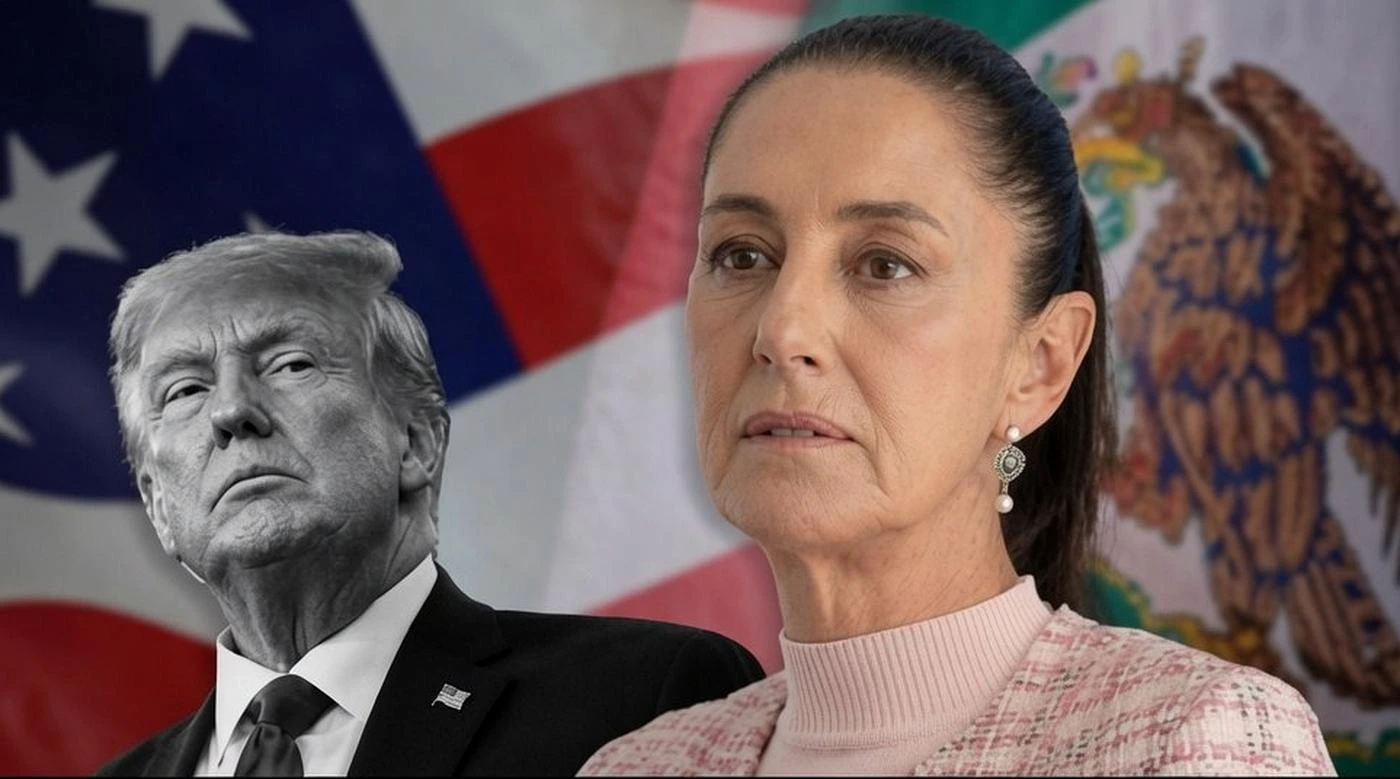
Mexico’s president issued a statement regarding the Trump administration’s recent military action and its implications for regional stability, as tensions continue to rise across multiple international fronts.
The announcement of military operations targeting Iranian nuclear infrastructure has triggered immediate diplomatic responses from governments worldwide. Mexico’s chief executive weighed in on the escalating situation, addressing concerns about how such actions might reshape geopolitical dynamics and affect nations across different regions.
What Happened
Iran’s Foreign Minister Abbas Araghchi responded sharply to the military strikes, characterizing them as violations of international law and asserting that his nation retains the right to defend itself. His carefully worded statements contained implicit warnings that Iran would consider its options moving forward, signaling that some form of response remained possible.
Officials in Washington and Jerusalem framed the operation as a decisive blow against Iran’s nuclear capabilities, describing it as a strategic success. Meanwhile, Mexico’s leadership expressed concerns about the broader implications of the military action and its potential to destabilize the region further.
The Reaction
European governments responded with measured caution, worried that the escalation could spiral beyond current control. Diplomats across major capitals privately expressed alarm about the risk of miscalculation and the potential for the situation to evolve into a wider regional conflict that could undo years of diplomatic progress.
At the United Nations, representatives proceeded with careful deliberation, recognizing that public statements carried significant weight in an already tense environment. Mexico’s position reflected broader Latin American concerns about how military interventions elsewhere might reshape trade relations, migration patterns, and security arrangements affecting the hemisphere.
What This Means
The convergence of military action and diplomatic commentary reflects the precarious state of international relations in 2026. Governments from Mexico City to Moscow face the challenge of positioning themselves amid competing pressures from traditional allies and emerging power centers.
The coming weeks will likely determine whether the current tensions lead to restraint and negotiation or whether new rounds of retaliation fundamentally alter the regional balance. Mexico’s involvement in the broader conversation underscores how actions in the Middle East can generate ripple effects across multiple continents, affecting economic partnerships, energy security, and long-term geopolitical alignments.



