A Utah judge on Friday ruled that Tyler Robinson, accused in an attempted assassination case, remains eligible for capital punishment if convicted of aggravated murder, rejecting a defense bid to eliminate that possibility.
The decision came as Judge Tony Graf Jr. also found that Deputy Utah County Attorney Christopher Ballard violated a court gag order by making statements that conveyed his personal opinion about the strength of evidence against Robinson. The case has drawn attention amid disputes between prosecutors and the defense over the handling of ballistic evidence and courtroom media access.
What Happened
Graf ruled that Ballard had acted in contempt of court when he voiced confidence in the totality of evidence during at least one media interview, effectively expressing an opinion about Robinson’s guilt. However, the judge determined that Ballard was within bounds when he sought to correct what prosecutors characterized as misleading statements made by the defense in court filings regarding ballistic analysis.
The disagreement centered on ballistic evidence related to a bullet that was recovered. According to court records, the ATF described its toolmark analysis as inconclusive and stated it could not definitively determine whether the projectile came from the rifle allegedly used by Robinson. Prosecutors noted, however, that the bullet caliber matched and a spent casing recovered at the scene aligned with the weapon in question.
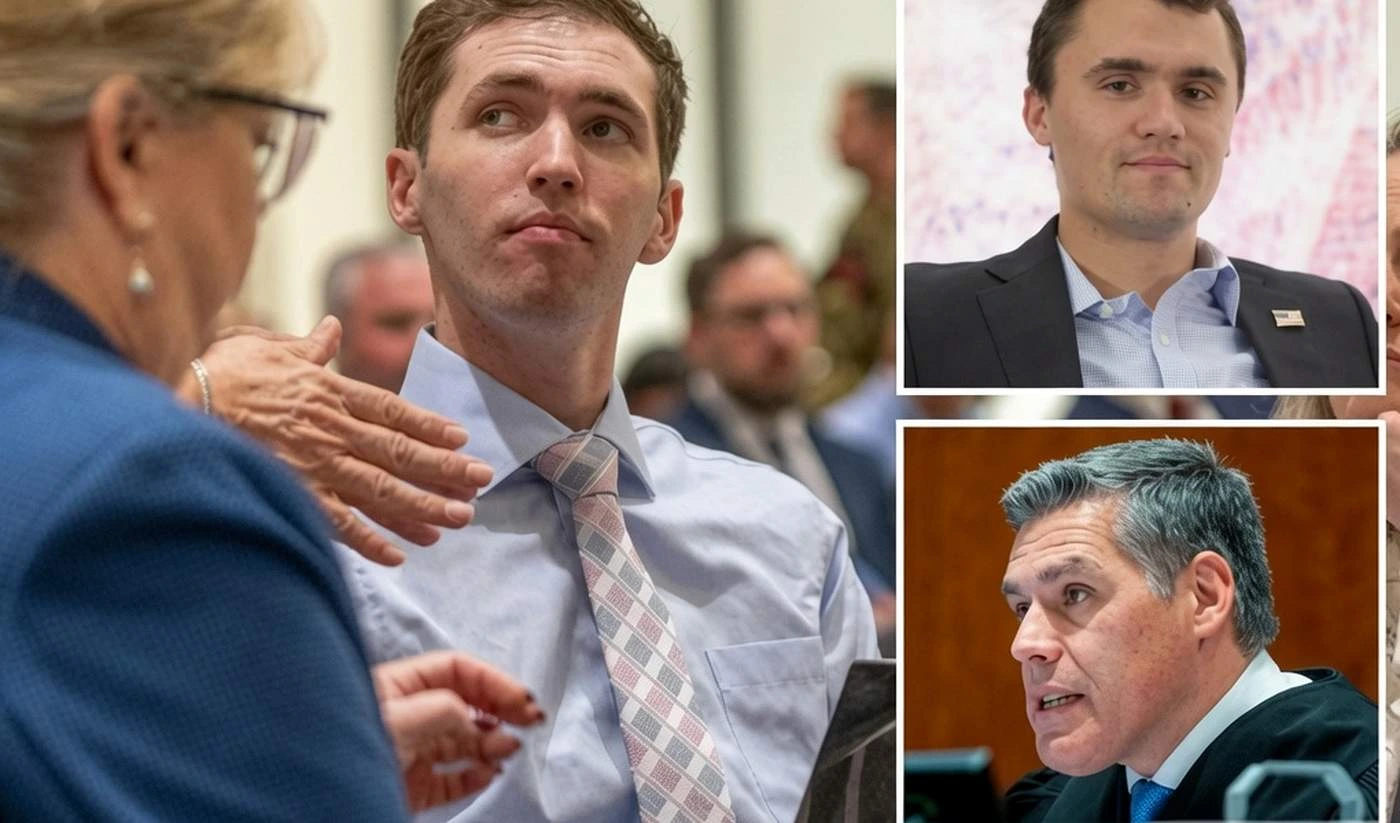
Rather than removing the death penalty as the defense requested, Graf said he would expand the jury selection process to help ensure a fair trial given the media attention and statements made by both sides. Robinson’s defense team argued that prosecutors violated the gag order through a string of media interviews responding to the court filings. Prosecutors countered that they were simply correcting misleading characterizations that had generated viral news coverage.
The Reaction
The exchange reflects a broader tension in the case between how each side has handled information in the public sphere. Defense attorneys have accused prosecutors of overreach and “hubris” in their media responses, while prosecutors argue they had a right to correct factual inaccuracies in defense filings that they say misrepresented the state of the evidence.
In a separate development, the court granted limited immunity to Lance Twiggs, a 22-year-old who was a former roommate of Robinson. Twiggs provided statements to prosecutors during an April interview and is now expected to be a key witness at Robinson’s preliminary hearing. According to court filings, prosecutors disclosed that Twiggs told authorities Robinson admitted to carrying out the shooting, concealed the firearm afterward, disposed of clothing related to the incident, and instructed Twiggs not to contact law enforcement.
The defense had moved to bar Twiggs from testifying, arguing that prosecutors already possessed his recorded statements and text message screenshots. The court’s grant of limited use immunity means Twiggs’ interview generally cannot be used against him in future criminal cases, though prosecutors can present it as evidence in Robinson’s proceedings.
What This Means
The preliminary hearing is scheduled to occur over the course of a week in early July, at which point prosecutors are expected to present their case. Robinson will appear by video from jail and has not yet entered a plea. He is not expected to do so until after the preliminary phase concludes.
The case has moved through the courts steadily in recent weeks. Last week, Graf also denied a defense motion to halt proceedings while the team appealed his earlier decision to allow cameras in the courtroom, another point of contention between the prosecution and defense. As the case advances toward the preliminary hearing, the trial-level proceedings will test the allegations prosecutors have outlined in their charging documents and court filings.



