Viral social media posts claiming South Korea issued orders for a military attack have circulated widely online in recent days, but official government channels and established news organizations have verified these reports as entirely false.
The rapid spread of unverified military claims highlights growing challenges in distinguishing factual reporting from sensationalist content on digital platforms. South Korean officials have issued statements clarifying the government’s actual position on regional security and its commitment to diplomatic resolution of international concerns.
What Happened
Social media users shared posts claiming the Korean government had authorized a military strike against another nation, creating concern about potential regional escalation. The posts circulated across multiple platforms without citation of credible sources or official government statements, relying instead on sensational framing designed to provoke strong reactions.
Certain websites amplified the claims through attention-grabbing headlines, contributing to rapid online engagement and shares. The speed at which such content spreads often outpaces the distribution of accurate information, leaving many readers uncertain about what actually occurred.
What This Means
Verification efforts by established news organizations and direct statements from South Korean government officials confirmed that no such military order was issued. The South Korean government has stated it continues to prioritize monitoring international developments, maintaining regional stability, and protecting its citizens through diplomatic channels rather than unilateral military action.
The incident underscores how digital platforms can amplify unverified claims through their algorithms, which tend to prioritize sensational content regardless of accuracy. Emotionally charged stories about potential conflict trigger strong engagement patterns—more shares, comments, and visibility—creating incentive structures that reward sensationalism over verification.
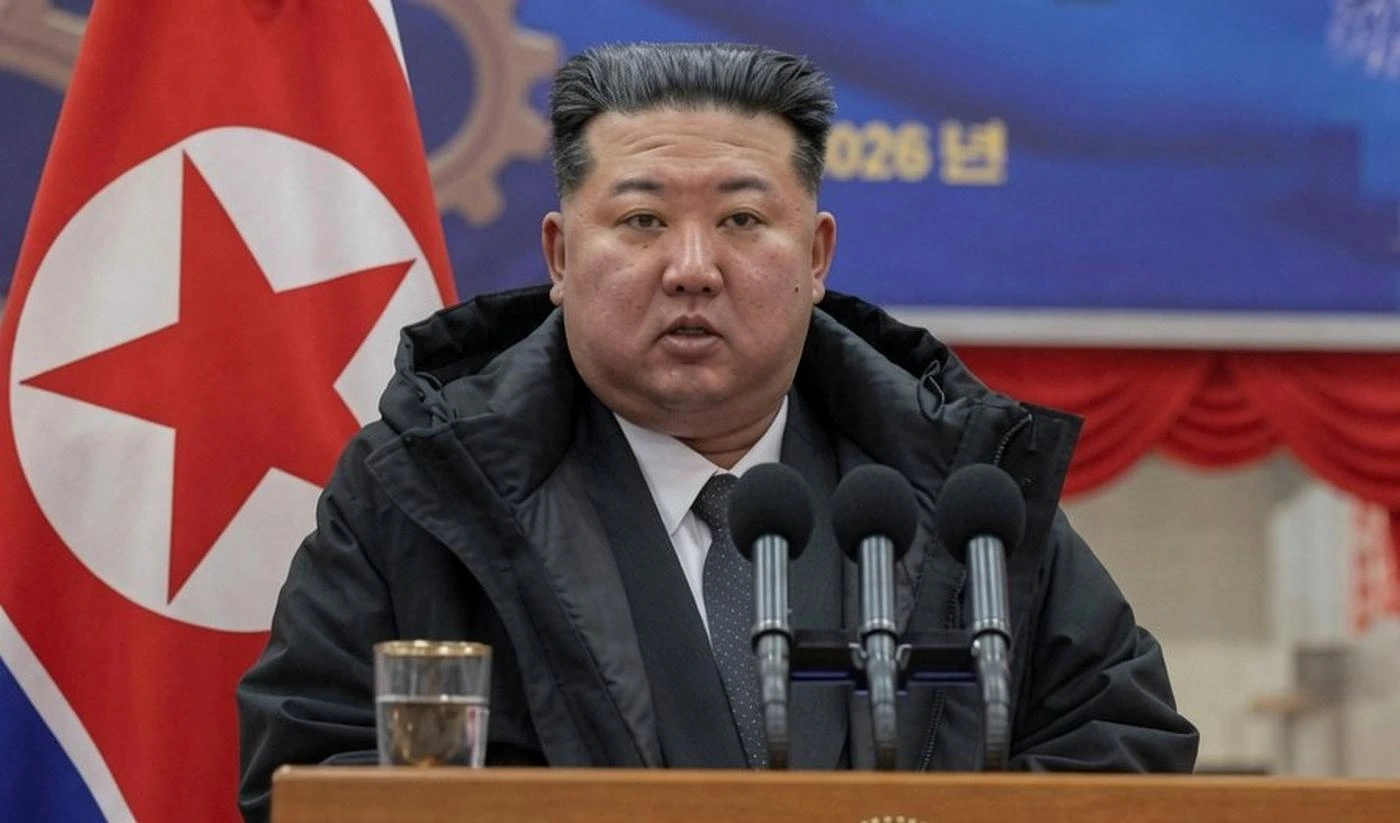
When alarming news emerges about military action or geopolitical conflict, consulting official government sources, statements from established news agencies, and analysis from recognized security experts provides the most reliable path to understanding actual events. The difference between rumor and verified fact becomes critical when reports concern matters of national security and international relations.
South Korean authorities have consistently emphasized their approach prioritizes diplomatic resolution and international cooperation. Government spokespeople have reiterated that current policy focuses on assessing potential threats through monitoring, providing accurate public information to prevent panic, and engaging with allies and neighboring countries through established diplomatic channels.
Public responsibility in consuming and sharing news directly affects the information environment. Individuals who pause before sharing alarming content to verify its accuracy through multiple trusted sources help reduce the spread of panic and misinformation. This pattern of critical engagement—checking multiple reliable outlets, understanding the source of claims, and resisting the urge to amplify unverified stories—strengthens the overall quality of public discourse.
The broader context of regional tensions in East Asia means that actual developments in the region do warrant legitimate attention and reporting. Distinguishing genuine military activity or policy shifts from rumors and false claims remains essential for accurate public understanding. South Korea, like other nations in the region, maintains security protocols and strategic planning; when actual policy changes occur, they typically appear in official announcements and rigorous news reporting rather than viral social media posts without attribution.
As information moves faster than ever through digital channels, the ability to identify credible sources and evaluate claims critically has become central to staying informed without falling prey to misinformation. Readers who consistently apply verification standards—consulting established news organizations, cross-checking facts, and understanding how digital algorithms amplify sensational content—position themselves to understand the actual state of world events.



