CIA Director John Ratcliffe arrived in Moscow on Tuesday for an unannounced visit, spending roughly four hours on the ground before departing, though neither U.S. nor Russian officials have disclosed the purpose of the trip, which marks his first known visit to Russia since taking office.
The visit came to light when observers spotted a U.S. Air Force C-17 Globemaster at a Moscow airport and a diplomatic motorcade moving through the city streets. The secrecy surrounding the director’s itinerary — and the complete silence from both Washington and the Kremlin about its purpose — signals that whatever transpired was significant enough to warrant the political risk of such a high-profile, unannounced appearance.
What Happened
Ratcliffe’s visit occurred at a moment of heightened U.S.-Russia tensions, particularly regarding Moscow’s posture toward NATO members. Intelligence assessments indicate Russian leadership may be recalibrating its risk tolerance, with potential willingness to pursue hybrid operations and deniable actions short of outright military conflict as a means of testing alliance cohesion and the Trump administration’s resolve.
The decision to travel to Moscow rather than conducting discussions through established diplomatic channels or hosting Russian counterparts in Washington carries distinct tactical implications. A direct, in-person appearance by the CIA director signals the gravity of the communication and the need for face-to-face message delivery rather than reliance on back-channel intermediaries.
The Reaction
Russian officials denied any formal meetings took place. Kremlin spokesman Dmitry Peskov stated that no scheduled meetings with American officials had been arranged, a response consistent with Russia’s documented pattern of public denial regarding sensitive diplomatic contacts, even as evidence of such contacts becomes visible.
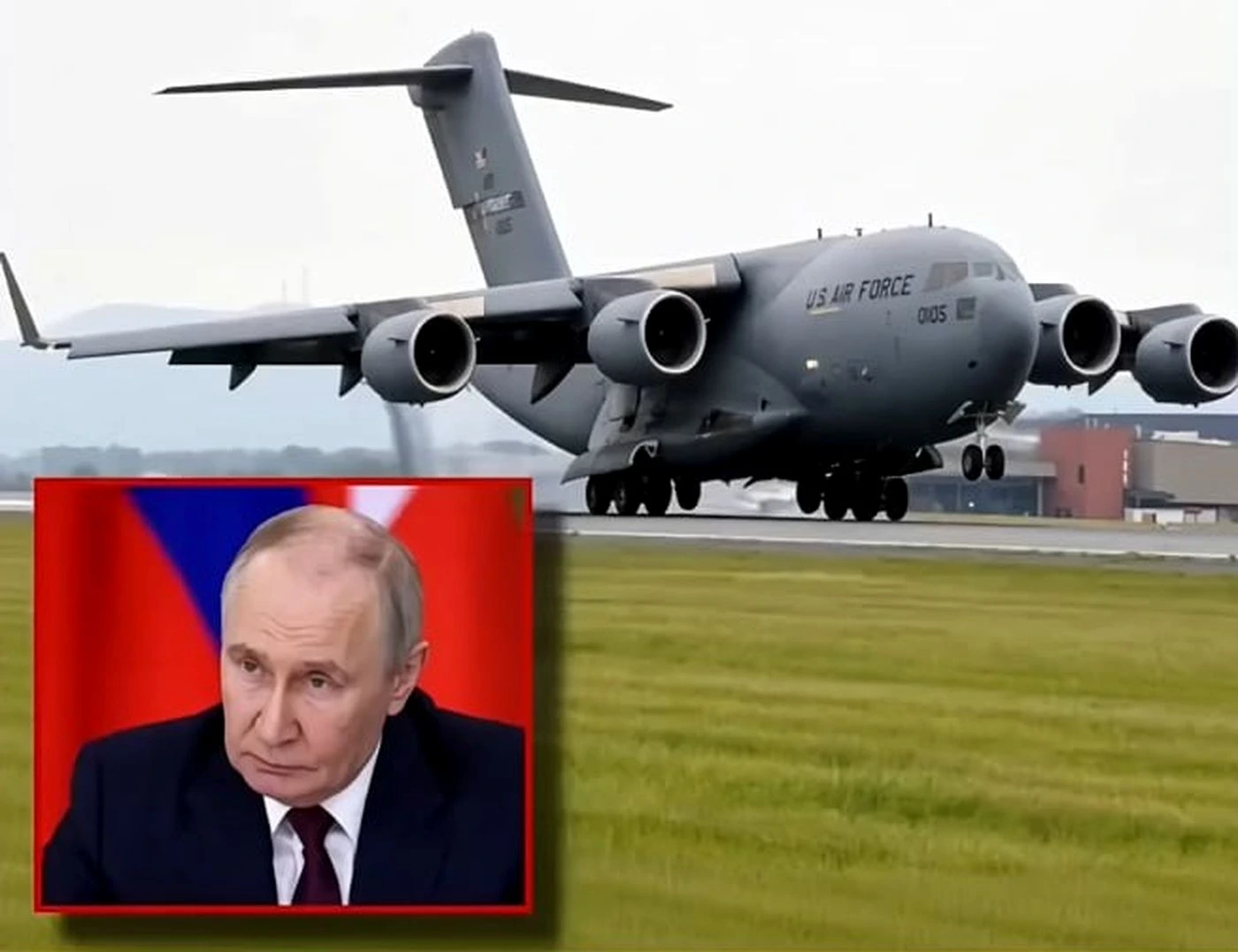
Neither the State Department nor the CIA made public comment on the visit’s purpose. The administration’s approach has been to allow operational details to remain compartmentalized, releasing information only as strategic circumstances warrant.
What This Means
The trip’s timing and secrecy create multiple possible interpretations. Speculation centers on several potential subjects: messages regarding Ukraine, where reports indicated the U.S. urged Kyiv to pause certain operations during Ratcliffe’s presence in Moscow; developments involving Iran, where Russian support for Tehran complicates broader American strategic objectives; or broader warning signals connected to NATO escalation concerns. Prisoner exchange negotiations and other back-channel diplomatic initiatives remain possibilities.
The Trump administration has demonstrated a consistent operational model: combining diplomatic offers with credible military positioning, delivering warnings backed by demonstrated willingness to follow through on stated positions. The structure follows a pattern of presenting simultaneous military and diplomatic tracks, allowing adversaries to understand that American commitments are substantive.
A CIA director does not undertake an unannounced Moscow visit for routine business. The four-hour window on the ground represents sufficient time to deliver a message and receive a response, though the substance remains known only to those present. As more details emerge in the coming weeks, the current silence surrounding the visit’s purpose may prove as significant as the disclosed facts.



