The Colorado Supreme Court rejected three ballot measures Monday that would have suspended the state’s independent redistricting commission and allowed voters to approve new congressional district boundaries ahead of the 2028 elections.
The proposals, backed by an organization called Coloradans for a Level Playing Field, sought a temporary suspension of Colorado’s redistricting commission—established by voters in 2018—to implement revised congressional maps for the 2028 and 2030 election cycles. Two companion measures would have separately paused the commission’s authority and drawn new district lines.
The court’s decision blocks what would have been a significant shift in how Colorado handles congressional redistricting, a process now at the center of a nationwide political battle as both parties jostle for advantage ahead of midterm elections.
What Happened
In three separate unanimous opinions, the Colorado Supreme Court ruled that each proposed measure violated the state’s constitutional “single subject” requirement, a provision that prevents voters from deciding multiple, unrelated policy questions on a single ballot initiative. Chief Justice Monica Marquez wrote that changing the constitutionally mandated frequency of redistricting “represents a seismic shift to Colorado’s longstanding redistricting process enshrined in the state constitution,” according to court documents.
The court found that even after supporters separated the original proposal into two distinct ballot measures, the revised versions still failed to satisfy constitutional standards. The measures would have taken effect for the 2028 elections had they qualified for November’s ballot and won voter approval.
The Reaction
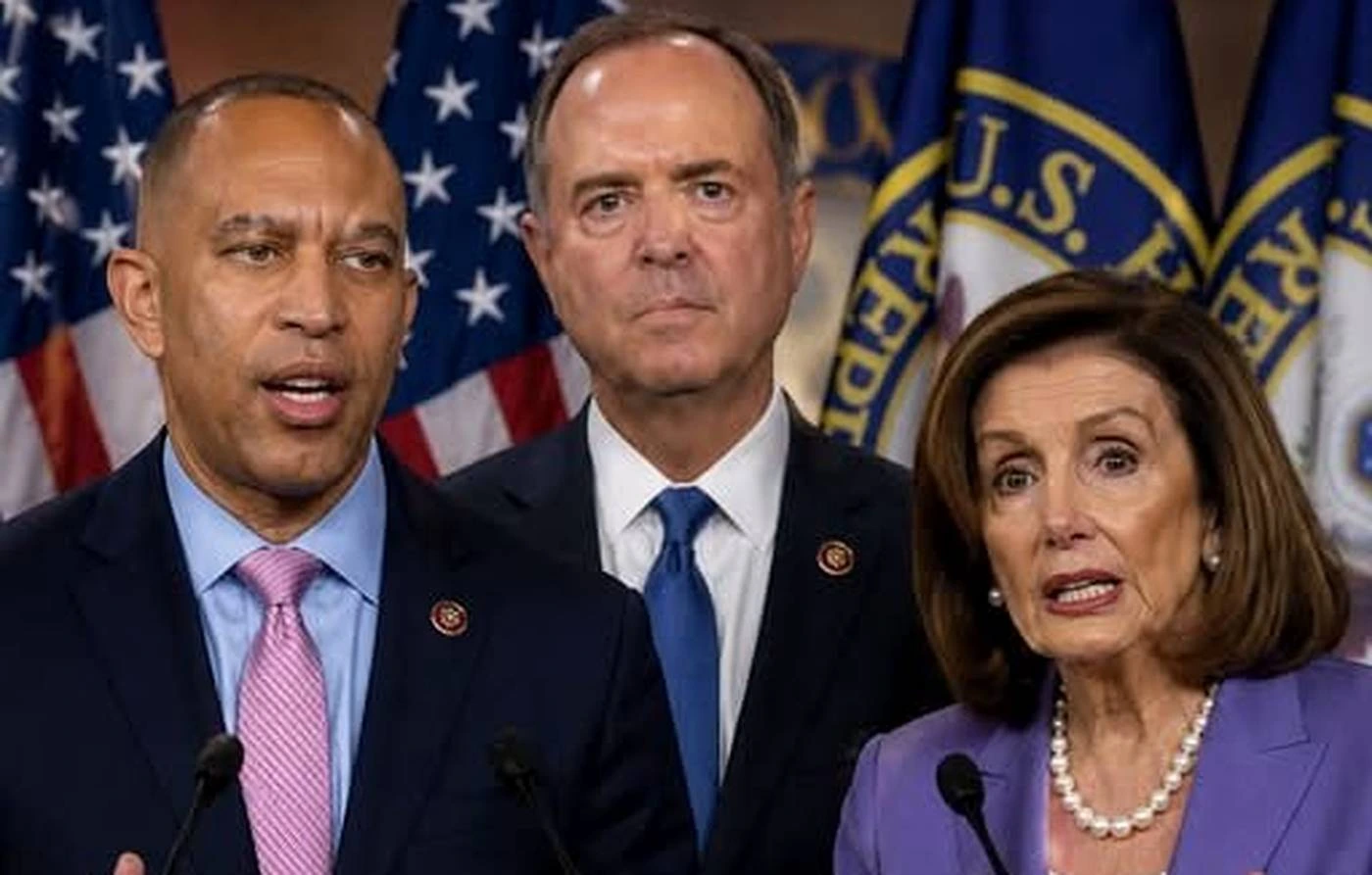
A representative for Coloradans for a Level Playing Field did not immediately respond to requests for comment following the court’s ruling. The rejection marks a setback for Democrats in Colorado who had viewed the redistricting push as a potential response to Republican-controlled states pursuing similar mid-decade map changes.
The Colorado case reflects a broader national pattern. Virginia Democrats advanced a comparable ballot measure earlier this year aimed at bypassing that state’s independent redistricting commission. Though Virginia voters narrowly approved the proposal in May, the state’s Supreme Court subsequently blocked it from taking effect, citing procedural violations under the state constitution. That decision forced Virginia to maintain existing congressional districts ahead of 2026 and eliminated what Democrats had hoped would become a significant advantage in the state’s congressional delegation.
What This Means
The Colorado ruling underscores how courts are constraining redistricting efforts in states with independent commissions, even as the redistricting wars intensify nationally. After President Trump encouraged Republican-led states to pursue mid-decade map changes to strengthen GOP House seats, Democrats attempted comparable maneuvers in states where they held influence. However, procedural and constitutional hurdles—as seen in Colorado and Virginia—have limited their success.
Republicans have advanced their own aggressive redistricting campaigns across the country, with Texas serving as an early model following Trump’s encouragement. As both parties engage in increasingly sophisticated battles over congressional boundaries heading into 2026, the outcomes in Colorado and Virginia suggest that courts may play a decisive role in determining whether states can alter maps outside the traditional redistricting cycle. The landscape of American redistricting continues to shift as legal challenges, constitutional requirements, and partisan calculations collide.



