A Utah judge ruled Friday that Tyler Robinson, who is accused in connection with an incident involving Charlie Kirk, remains eligible for the death penalty if convicted of aggravated murder, despite finding that a prosecutor violated a court order with certain statements about the case.
Judge Tony Graf Jr. determined that Deputy Utah County Attorney Christopher Ballard committed contempt of court for remarks he made about the strength of evidence. However, the judge found that Ballard’s other statements—in which he disputed what prosecutors characterized as misleading information from a defense filing—did not violate court orders. Graf therefore rejected Robinson’s request to remove capital punishment as a potential sentence, opting instead to expand jury selection procedures to ensure fairness at trial.
What Happened
The prosecution had stated that it complied with the gag order when prosecutors responded to what they described as a misleading defense filing. That filing, according to prosecutors, generated media coverage suggesting the ATF could not match a bullet recovered from Kirk to Robinson’s grandfather’s rifle. Court records show the ATF characterized the toolmark analysis as inconclusive, stating it could not determine whether the bullet fragment came from the suspected murder weapon.
Prosecutors noted that the bullet’s caliber matched that of ammunition associated with the rifle, and a spent casing found at the scene matched casings connected to the weapon. Prosecutors argued that the gag order and state court rules did not prevent them from correcting the characterization they viewed as inaccurate. Ballard, however, went beyond correcting the record in at least one media interview, according to Graf’s ruling, by expressing confidence in the overall strength of evidence against Robinson.
In doing so, Ballard improperly voiced an opinion regarding Robinson’s guilt, which formed the basis for the civil contempt finding. The case has become marked by disputes over how each side has communicated publicly—prosecutors accusing the defense of releasing misleading court filings, and the defense accusing prosecutors of violating gag order restrictions through media appearances.
The Reaction
Robinson, who has not yet entered a plea, is scheduled to appear by video from jail for upcoming proceedings. His preliminary hearing is set to span multiple days in early July, at which point he will be expected to enter a plea.
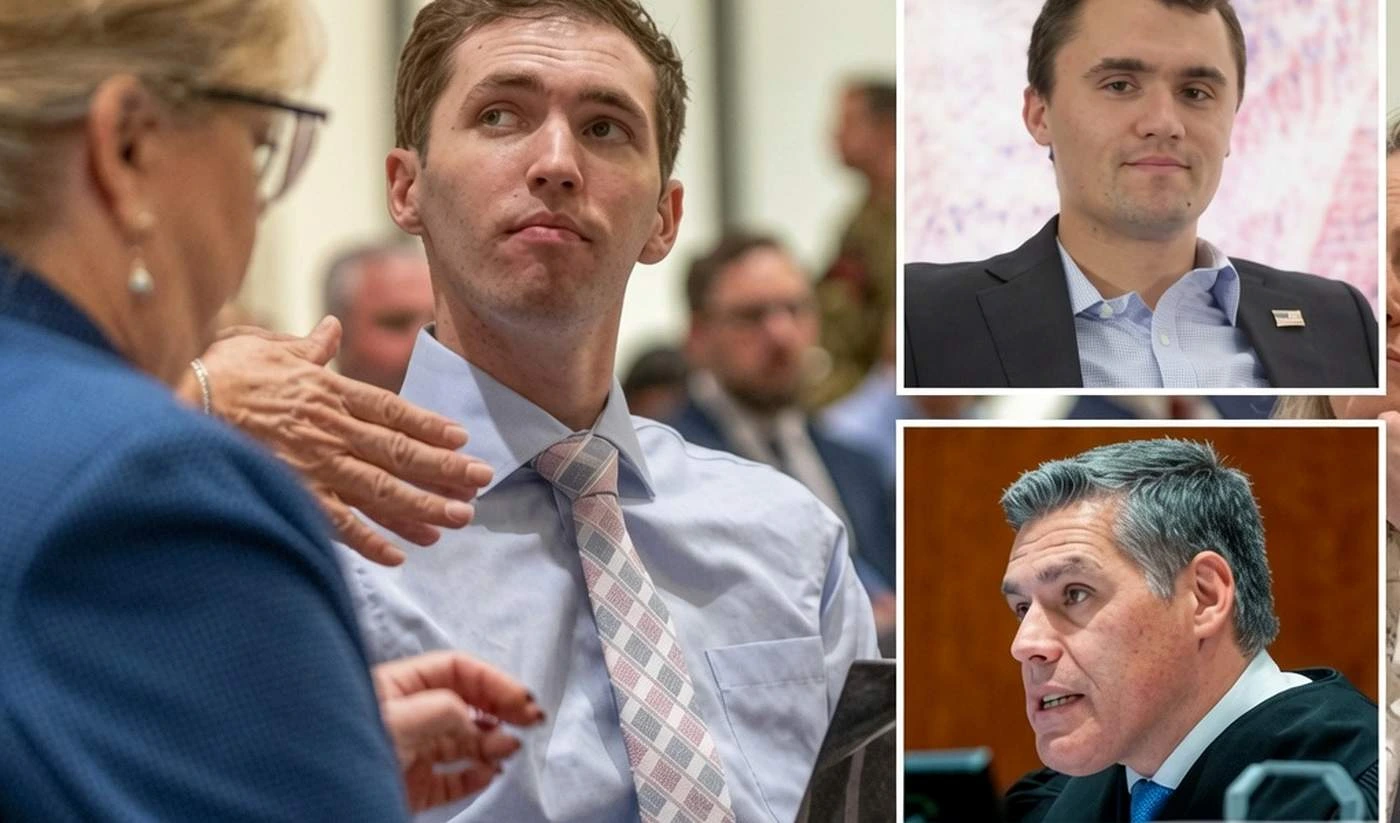
In a related development, Lance Twiggs, a former roommate of Robinson, was granted limited immunity for statements provided to prosecutors during an April interview. Twiggs may become a key witness during the multi-day preliminary hearing. According to court filings, Twiggs met with prosecutors on April 20 for a recorded session about Robinson.
The prosecution indicated that portions of that interview and messages exchanged between Twiggs and Robinson could be presented as evidence during the July hearing. Under the terms of limited use immunity, Twiggs’ recorded statement generally cannot be used against him in any future criminal proceedings. Prosecutors disclosed that Twiggs told authorities Robinson admitted to carrying out the incident, concealed the firearm afterward, disposed of clothing related to the event, and instructed Twiggs not to contact law enforcement.
The defense team sought to compel Twiggs’ appearance at the preliminary hearing, but prosecutors opposed the request, arguing that his testimony was unnecessary because investigators already possess his recorded statements and screenshots of messages between the two men.
What This Means
Robinson’s defense team suffered another setback when Judge Graf denied a motion to stay proceedings pending an appeal of an earlier ruling that denied their request to prohibit cameras from the courtroom. The expansion of jury selection procedures ordered by the judge signals an effort to mitigate any potential prejudicial effects from the public statements and media coverage surrounding the case.
The July preliminary hearing will serve as a critical juncture, with prosecutors expected to present evidence and witness testimony regarding the charges of aggravated murder. As the case moves forward, the interplay between courtroom procedures and media management remains a focal point, with both prosecution and defense navigating restrictions on public commentary while managing an increasingly scrutinized legal matter.



