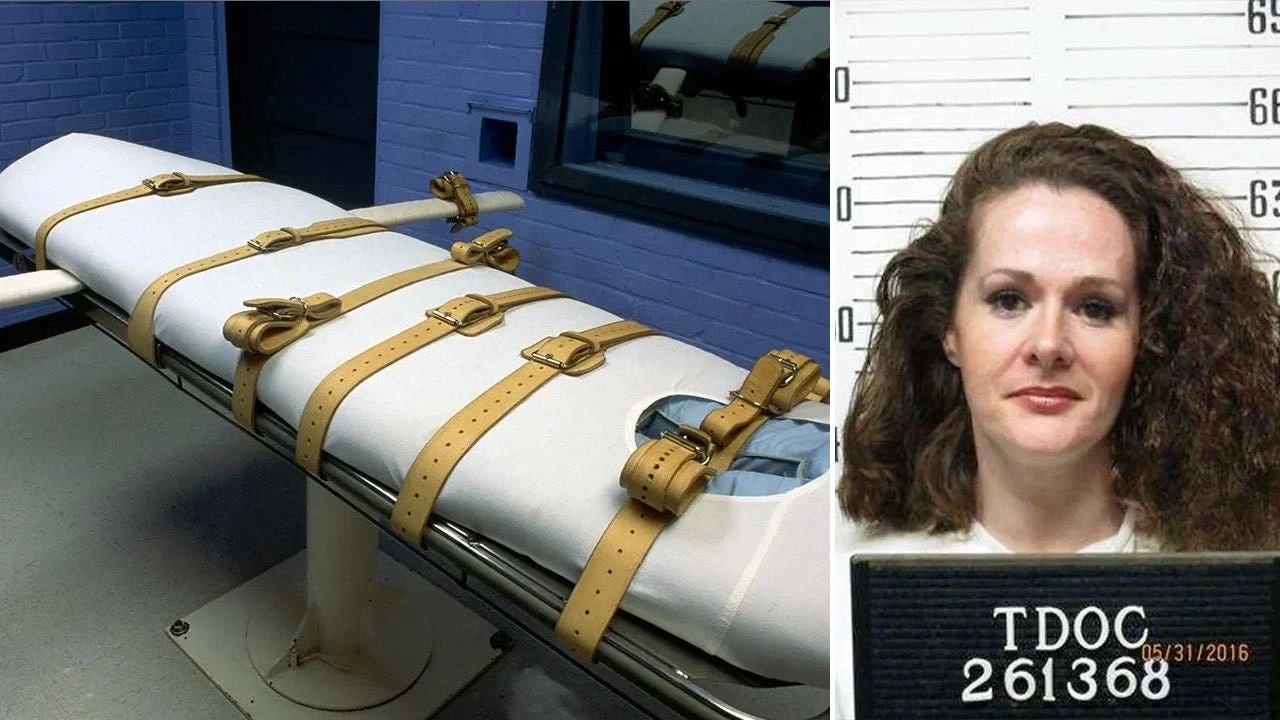
Christa Pike, who survived a botched lethal injection execution attempt, returned to prison while facing new legal challenges that could determine whether her death sentence can proceed if she has sustained cognitive damage.
Pike’s case has drawn attention to an overlooked dimension of capital punishment: the legal and constitutional questions that arise when an execution fails. Legal experts argue that if the failed procedure has left her mentally impaired, she may be protected from execution under established Supreme Court precedent.
What Happened
Pike received two doses of pentobarbital, the primary drug used in Tennessee’s execution protocol, during an execution attempt that corrections officials halted. She was returned to custody and remains incarcerated while her case proceeds through the legal system.
According to her legal representatives, Pike has shown signs of confusion since the procedure. “Her attorney stated that she still seems a little confused about things and is not clear on, doesn’t have a clear memory of what happened to her,” Fordham Law Professor Deborah Denno said in an analysis of the case.
The Reaction
Legal scholars have pointed to constitutional protections that may now apply to Pike’s case. Denno, who specializes in capital punishment law, outlined the potential implications: “If that continues, it could be very difficult for the state to execute her for that reason alone. In other words, you have to understand why you’re getting a punishment and also connect that to whatever crime you committed.”
The Supreme Court has established that executing individuals with severe intellectual disabilities violates the Eighth Amendment’s prohibition on cruel and unusual punishment. Legal experts argue similar reasoning could extend to cases where cognitive impairment results from execution procedures themselves.
What This Means
The outcome of Pike’s case could set precedent for how courts handle failed executions and their potential long-term effects on inmates. If her cognitive condition persists, she may have grounds for legal challenge based on the requirement that death row inmates understand their punishment and the crimes for which they face execution.
The case highlights the intersection of constitutional protections, medical realities of execution procedures, and the evolving standards surrounding capital punishment in the United States. As Pike’s case moves forward, courts will likely examine both her current mental state and the broader question of whether states can proceed with executions when procedures have potentially caused lasting cognitive damage.




