Alarming social media posts claimed former President Donald Trump was shot in Washington, D.C., on Wednesday, but major U.S. news organizations, federal law enforcement agencies, and the Secret Service have issued no statements confirming any new attack on the former president.
The dramatic claims spread rapidly across social platforms within hours, triggering widespread speculation and concern. However, as of press time, no credible verification of the alleged incident has emerged from any official channel or established news outlet.
What Happened
Posts began circulating on social media claiming an attack had occurred against Trump in the nation’s capital. The messages used urgent language and spread across multiple platforms, prompting immediate reactions from political figures, news consumers, and advocacy groups. Within a short timeframe, the posts had reached hundreds of thousands of users.
Tracing the origins of the viral claims revealed connections to unverified social media accounts and private group pages, where dramatic framing is common and fact-checking often lags behind initial distribution. Several versions of the posts appeared to rely on recycled imagery or vague references rather than specific details about timing, location, or circumstances. Emergency services hotlines reportedly fielded inquiries from concerned citizens seeking confirmation.
The Reaction
Security analysts emphasized that the absence of official statements from federal agencies represents a strong indicator that no credible incident occurred. The Secret Service, which maintains constant protective details around former presidents and typically releases immediate statements following any security breach, offered no response to the claims—a notable silence in situations involving genuine threats.
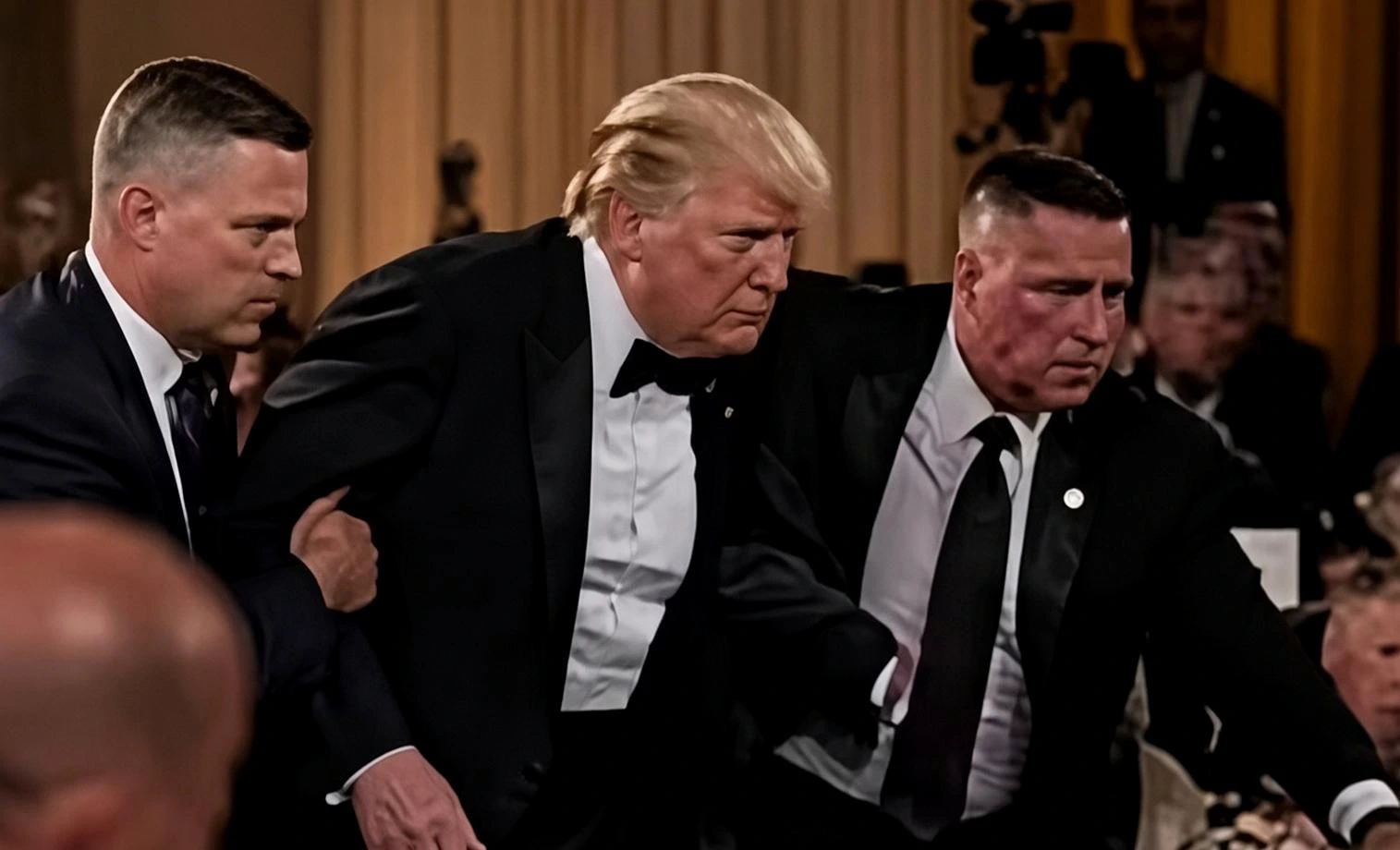
Hospital networks across Washington reported no admissions matching descriptions in the viral posts. Major news organizations, which maintain networks of sources within law enforcement and government and typically break verified information within minutes of significant events, published no reporting supporting the claim. The disconnect between viral social media activity and established news channels highlighted the distinction between unverified speculation and documented fact.
Public safety experts warned that false alarms of this nature divert resources from genuine emergencies. Fire departments, police dispatch centers, and federal agencies must investigate unconfirmed reports, consuming time and personnel that might otherwise address real threats to public safety.
What This Means
The incident underscores the documented challenge of misinformation in the digital age, particularly surrounding high-profile political figures. Researchers have noted that sensational claims tend to spread faster than corrections, and that emotionally charged language encourages sharing before verification occurs. During election cycles and periods of national tension, such false reports appear with increasing frequency.
This event is separate from the widely documented and verified assassination attempt in Butler, Pennsylvania, in July 2024, where Trump was wounded. That incident prompted sweeping changes to security protocols and triggered federal investigations that remain ongoing. Since then, law enforcement has reported foiling multiple threats against the former president, but none involve confirmed shooting incidents matching the descriptions in Wednesday’s viral posts.
Moving forward, media literacy experts recommend that social media users pause before sharing unverified claims involving public safety. Official statements from government agencies, hospital records, and established news organizations remain the most reliable indicators of genuine security incidents. As digital platforms continue to facilitate rapid information spread, distinguishing between fact and speculation has become increasingly critical to public trust and emergency response effectiveness.



