The Trump administration and Iran have advanced negotiations toward a possible war settlement, with U.S. officials signaling progress on reopening the Strait of Hormuz and easing nuclear sanctions as both sides work through remaining language disputes in Qatar.
Secretary of State Marco Rubio stressed Monday that the strategic waterway through which roughly one-third of global seaborne oil passes must return to normal operations as a precondition for any final agreement. The negotiations come as U.S. military forces have increased their presence in the region following recent clashes with Iranian units.
What Happened
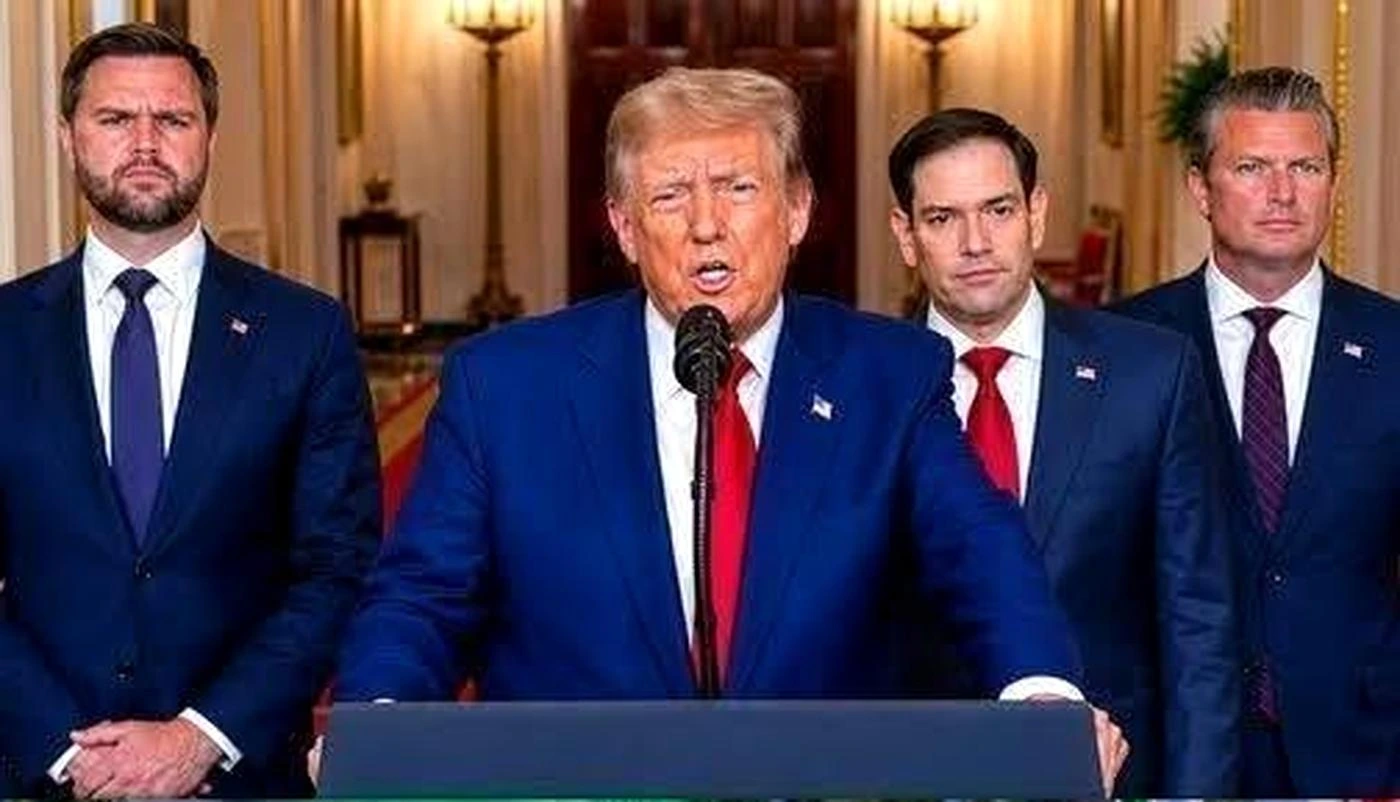
President Trump, Vice President JD Vance, and Rubio have been coordinating the administration’s position on a comprehensive deal to resolve the ongoing conflict. During a trip to India, Rubio told reporters that “the straits have to be open, they’re going to be open,” describing the current Iranian restrictions as unlawful and unsustainable for global commerce.
Talks in Qatar have focused on pinpointing exact language in the initial framework, with negotiations expected to continue over several days. Rubio said the president was willing to either finalize a strong agreement or walk away entirely, stating, “He’s either going to make a good deal or no deal.”
Military operations near the Iranian port and navy base at Bandar Abbas have complicated diplomacy. A senior U.S. military official said that some of the dozens of American warplanes and nearly two dozen Navy warships—including two aircraft carriers and their escort ships—faced threats from Iranian surface-to-air missiles while enforcing a blockade around the Gulf of Oman and Arabian Sea.
The Reaction
Iran’s foreign ministry spokesman Esmaeil Baqaei said Monday that Tehran and Washington have reached agreement on a large portion of disputed issues, but cautioned against expectations of an imminent deal. He accused the U.S. of shifting positions during negotiations, a charge the Trump administration did not immediately address.

American and Iranian forces have clashed in limited ways since a cease-fire took effect approximately six weeks ago. The recent strikes on Iranian military installations occurred as officials from both nations gathered in Qatar to negotiate, suggesting the military and diplomatic tracks are running in parallel.
What This Means
A final agreement would require Iran to reopen the Strait of Hormuz in exchange for the U.S. lifting its naval blockade of the waterway. If Iran agrees to reduce its nuclear enrichment levels, the administration has indicated a willingness to ease economic sanctions that have constrained Tehran’s oil exports and financial access.
According to U.S. officials, consensus exists on core principles, and the Trump administration views the trajectory of talks as favorable. Officials said Iran appears more inclined toward compromise than it was before recent military operations, potentially signaling a narrowing of the gap between the two sides’ positions. The next phase of talks will likely determine whether the remaining disagreements can be resolved within days or whether negotiations stretch into weeks.



